
Dental implants have revolutionized the way we approach tooth replacement, offering a permanent solution that looks, feels, and functions like natural teeth. As we continue to advance technologically, the future of dental implants promises even more exciting innovations that will enhance patient outcomes. For those seeking dental implants in, staying informed about these advancements is crucial for making the best choices for oral health. In this blog, we will explore the latest developments in dental implant technology and what they mean for the future.
Understanding Dental Implants
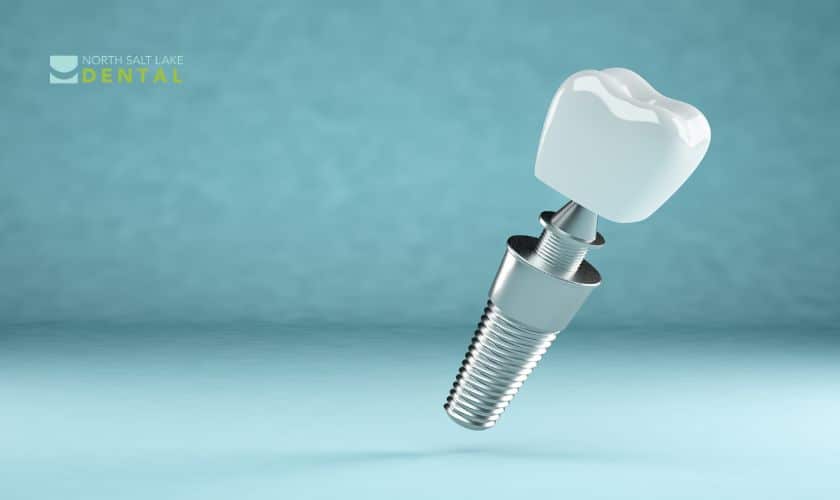
Dental implants are artificial tooth roots made of biocompatible materials, typically titanium, that are surgically placed into the jawbone. Once the implant integrates with the bone, a crown, bridge, or denture can be attached to restore the function and aesthetics of missing teeth. The success of dental implants relies on the process of osseointegration, where the bone grows around the implant, securing it firmly in place.
Recent Advancements in Dental Implants
1. 3D Imaging and Planning
One of the most significant advancements in dental implants is the use of 3D imaging and planning technologies. Cone beam computed tomography (CBCT) provides detailed, three-dimensional images of the patient’s jawbone structure. This technology allows dentists to plan the implant placement with precision, considering the bone density and anatomy.
By using 3D imaging, dentists in North Salt Lake can create a virtual model of the patient’s mouth, enabling them to design custom treatment plans. This leads to more accurate implant placement, reduced surgery time, and minimized risk of complications.
2. Computer-Guided Implant Surgery
Building on the foundation of 3D imaging, computer-guided implant surgery uses specialized software to plan and execute the placement of dental implants. This technology translates the virtual treatment plan into a physical guide that ensures the implants are positioned precisely as intended.
Computer-guided surgery enhances the accuracy of implant placement, reducing the likelihood of errors and improving overall outcomes. For patients, this means less invasive procedures, shorter recovery times, and higher success rates.
3. Improved Implant Materials
Traditionally, dental implants have been made from titanium due to its biocompatibility and strength. However, advancements in material science have led to the development of new materials that offer additional benefits.
One such material is zirconia, a ceramic that is not only biocompatible but also offers superior aesthetics. Zirconia implants are white, making them an excellent choice for patients concerned about the visibility of metal at the gum line. Additionally, zirconia is highly resistant to corrosion and has been shown to integrate well with the bone.
4. Surface Modifications
The surface of the dental implant plays a crucial role in osseointegration. Advances in surface modification techniques have led to the development of implants with enhanced surfaces that promote faster and stronger integration with the bone.
Techniques such as sandblasting, acid etching, and the application of bioactive coatings have been employed to create micro- and nano-scale textures on the implant surface. These modifications increase the surface area for bone cells to attach, accelerating the healing process and improving the long-term stability of the implants.
5. Smart Implants
The future of dental implants may also include smart implants equipped with sensors that monitor the health and stability of the implant. These sensors can detect changes in temperature, pressure, and pH levels, providing real-time data to the dentist.
Smart implants could potentially alert patients and dentists to issues such as infections or implant loosening before they become severe, allowing for timely intervention and better management of implant health.
6. Regenerative Techniques
Regenerative medicine is making its way into dental implantology, with techniques aimed at enhancing bone regeneration and soft tissue healing. Growth factors, stem cells, and biomaterials are being explored to promote the regeneration of bone and gum tissue around dental implants.
For example, platelet-rich plasma (PRP) and platelet-rich fibrin (PRF) are used to accelerate healing and improve tissue regeneration. These techniques involve concentrating growth factors from the patient’s blood and applying them to the surgical site, enhancing the body’s natural healing processes.
7. Minimally Invasive Techniques
Minimally invasive techniques are transforming the patient experience by reducing the invasiveness of implant surgery. Advances in surgical tools and techniques enable dentists to perform implant procedures with smaller incisions and less trauma to the surrounding tissues.
For instance, Laser-assisted surgery is one such advancement that offers precision and minimal invasiveness. Lasers can be used to prepare the implant site, reduce bleeding, and promote faster healing. For patients, minimally invasive techniques mean less discomfort, reduced risk of infection, and quicker recovery times.
The Benefits of Advancements in Dental Implants
1. Higher Success Rates
Advanced imaging, planning, and surgical techniques have significantly increased the success rates of dental implant integration. Precise placement and improved materials contribute to the long-term stability and functionality of implants.
2. Enhanced Aesthetics
New materials and surface modifications have improved the aesthetic outcomes of dental implants. Zirconia implants and customized prosthetics ensure that implants look natural and blend seamlessly with the patient’s existing teeth.
3. Reduced Recovery Times
Minimally invasive techniques and regenerative approaches reduce recovery times and postoperative discomfort. Patients can return to their normal activities more quickly and with less pain.
4. Increased Patient Comfort
Advancements in dental implant technology have made the entire process more comfortable for patients. From the planning stages to the actual surgery, innovations have streamlined procedures and minimized discomfort.
5. Proactive Implant Management
Smart implants and advanced monitoring technologies allow for proactive management of implant health. Early detection of potential issues ensures timely intervention, preventing complications and extending the lifespan of the implants.
Choosing the Right Dental Implant Provider in North Salt Lake Dental
As dental implant technology continues to evolve, it is essential to choose a provider who stays at the forefront of these advancements. Consider a dentist who:
- Utilizes the latest imaging and planning technologies
- Offers computer-guided implant surgery
- Provides a range of implant materials, including zirconia
- Employs minimally invasive and regenerative techniques
- Prioritizes patient comfort and satisfaction
At North Salt Lake Dental, we commit to providing the most advanced dental implant solutions. Our team stays updated with the latest research and technological developments to ensure our patients receive the best care possible.
The future of dental implants is bright, with continuous advancements paving the way for better outcomes and enhanced patient experiences. From 3D imaging and computer-guided surgery to smart implants and regenerative techniques, innovations in dental implantology are transforming the field. For those considering dental implants, these advancements mean more options, improved results, and a more comfortable journey to restoring their smiles.
If you’re ready to explore the latest in dental implant technology, contact North Salt Lake Dental today. Our team of experts is here to guide you through every step of the process, ensuring you achieve a healthy, beautiful smile that lasts a lifetime