
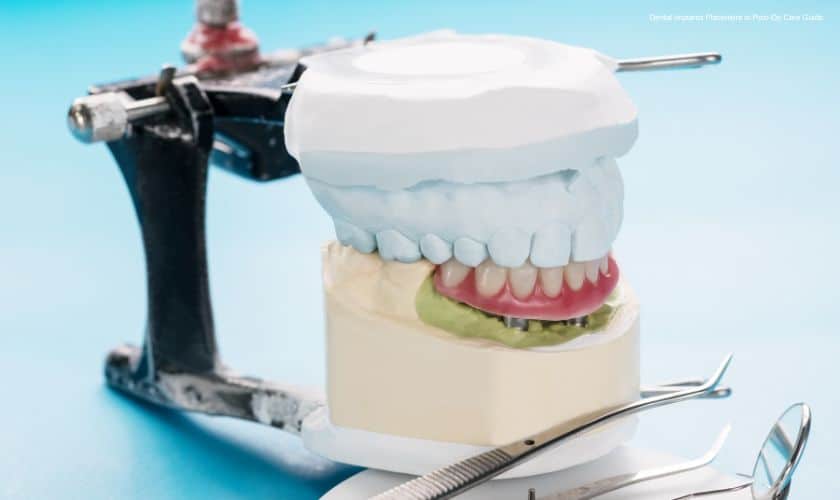
Dental implants are a popular and effective solution for replacing missing teeth, offering a permanent and natural-looking alternative to dentures and bridges. But what exactly happens during the process of getting a dental implant? In this comprehensive guide, we’ll take you through a day in the life of a dental implant, from placement to post-op care, using our expertise in dental implants in North Salt Lake.
The Initial Consultation
Before the actual placement of a dental implant, you will have an initial consultation with your dentist at North Salt Lake Dental. During this visit, your dentist will evaluate your oral health, take X-rays, and possibly perform a 3D scan to assess the condition of your jawbone and determine if you’re a suitable candidate for dental implants. This consultation is crucial for creating a personalized treatment plan tailored to your specific needs.
Key Steps in the Initial Consultation:
- Oral Examination: Assessing the health of your gums, teeth, and jawbone.
- X-rays and Scans: Providing detailed images of your jaw structure.
- Medical History Review: Discuss any medical conditions or medications that may affect the procedure.
- Treatment Planning: Developing a customized plan for implant placement and restoration.
The Day of Implant Placement
On the day of your implant placement, you’ll arrive at North Salt Lake Dental for your scheduled procedure. The process typically involves several steps to ensure the implant is securely and accurately placed.
Step 1: Anesthesia
To ensure your comfort during the procedure, your dentist will administer local anesthesia to numb the area where the implant will be placed. In some cases, sedation options may be available for patients who are anxious or require extensive treatment.
Step 2: Incision and Preparation
Once the anesthesia has taken effect, your dentist will make a small incision in the gum tissue to expose the underlying bone. Using specialized dental instruments, they will prepare the bone for the implant by creating a small hole or socket.
Step 3: Implant Placement
The dental implant, typically made of titanium, is then carefully inserted into the prepared socket in the jawbone. This titanium post acts as an artificial tooth root and provides a stable foundation for the eventual crown or prosthesis.
Step 4: Closing the Incision
After the implant is securely in place, the gum tissue is repositioned and sutured closed. In some cases, a temporary healing cap may be placed over the implant to protect it during the healing process.
Step 5: Recovery and Initial Healing
Following the procedure, you’ll be given post-operative instructions to promote healing and reduce discomfort. These may include guidelines for pain management, diet, and oral hygiene.
The Healing Process
The healing process, known as osseointegration, is a critical phase in the success of dental implants. During this time, the implant fuses with the jawbone, creating a strong and stable bond that can support a dental prosthesis.
Osseointegration
Osseointegration typically takes several months to complete. During this period, new bone cells grow around the implant, anchoring it securely in place. Proper care and follow-up appointments are essential to monitor the progress of healing and ensure the implant is integrating correctly.
Post-Op Care Instructions
- Pain Management: Use prescribed or over-the-counter pain relievers as directed.
- Oral Hygiene: Keep the surgical site clean by gently rinsing with a saltwater solution and avoiding vigorous brushing.
- Dietary Guidelines: Stick to soft foods and avoid chewing directly on the implant site.
- Follow-Up Visits: Attend scheduled check-ups to monitor healing and address any concerns.
Video Source: Naperville Oral Surgery & Dental Implants
Placing the Abutment
Once osseointegration is complete and the implant is firmly anchored in the jawbone, the next step is to place the abutment. The abutment is a small connector piece that attaches to the implant and will support the final crown or prosthesis.
Step 1: Reopening the Gum Tissue
Your dentist will make a small incision in the gum tissue to expose the top of the implant. This is typically a minor procedure that can be performed under local anesthesia.
Step 2: Attaching the Abutment
The abutment is then securely attached to the implant, and the gum tissue is allowed to heal around it. In some cases, a temporary crown may be placed on the abutment to maintain aesthetics during the final healing phase.
Step 3: Healing Period
The gums will need time to heal and adapt to the abutment, usually taking a few weeks. During this time, you’ll continue to follow your dentist’s care instructions to ensure proper healing.
The Final Restoration
The final step in the dental implant process is the placement of the permanent crown or prosthesis. This restoration is custom-made to match the shape, size, and color of your natural teeth, providing a seamless and functional result.
Step 1: Impressions and Molds
Your dentist will take detailed impressions and molds of your teeth and gums to create a custom crown or prosthesis. This ensures a precise fit and natural appearance.
Step 2: Crown Fabrication
The impressions are sent to a dental laboratory, where skilled technicians fabricate the final crown or prosthesis. This process may take a few weeks, depending on the complexity of the restoration.
Step 3: Final Placement
Once the custom crown or prosthesis is ready, you’ll return to North Salt Lake Dental for the final placement. Your dentist will attach the restoration to the abutment, making any necessary adjustments to ensure a perfect fit and comfortable bite.
Step 4: Enjoy Your New Smile
With the final restoration in place, you’ll be able to enjoy the full benefits of your dental implant. Your new tooth will look, feel, and function like a natural tooth, allowing you to eat, speak, and smile with confidence.
Long-Term Care and Maintenance
Maintaining your dental implant is crucial for its longevity and success. Here are some tips for long-term care:
- Practice Good Oral Hygiene: Brush and floss regularly to keep the implant and surrounding teeth clean.
- Regular Dental Check-Ups: Schedule routine visits to North Salt Lake Dental for professional cleanings and examinations.
- Healthy Lifestyle Choices: Avoid smoking and limit the consumption of sugary foods and beverages to promote overall oral health.
- Protect Your Implants: If you grind your teeth at night, consider using a nightguard to protect your implants and natural teeth.
Getting dental implants in North Salt Lake is a multi-step process that involves careful planning, precise placement, and dedicated post-op care. At North Salt Lake Dental, we are committed to providing our patients with the highest quality care and support throughout their dental implant journey. If you’re considering dental implants, schedule a consultation with us today to learn more about how this innovative treatment can transform your smile and improve your quality of life.