
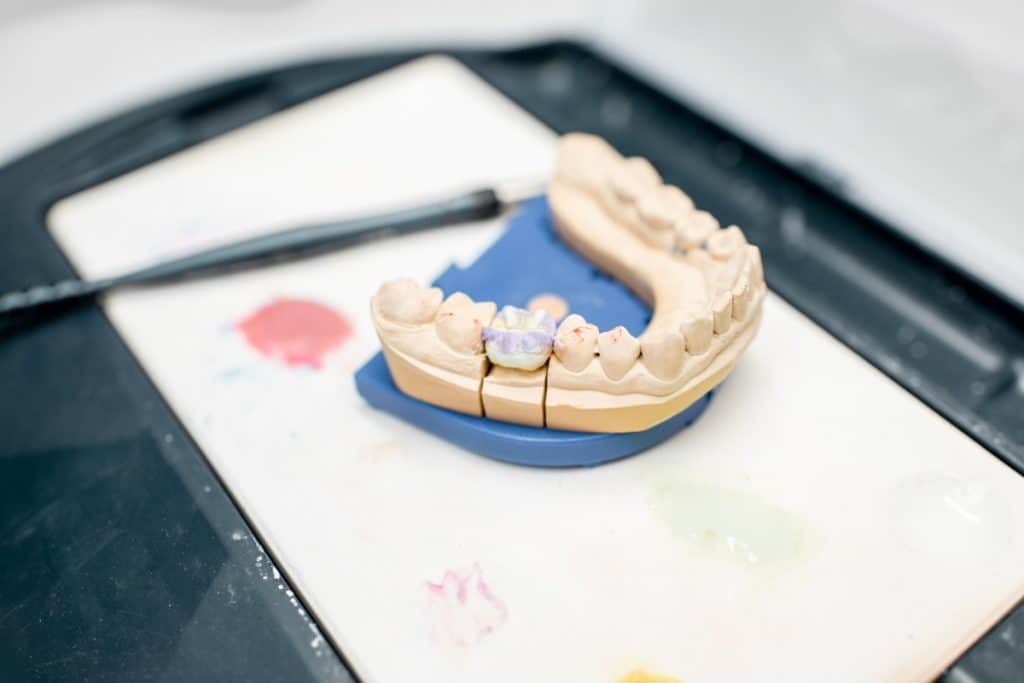
Your dental crown won’t last without these daily care habits — and that’s not an exaggeration. A crown is a significant investment in your smile and your oral health. With the right routine, a quality crown can last 15 years or more. Without it, you may face premature wear, decay at the margins, or even crown failure.
Dr. David P. Thorup at North Salt Lake Dental works with patients throughout the North Salt Lake area. He sees firsthand how small daily habits make a huge difference in crown longevity. Whether your crown is brand new or several years old, this guide will help you protect it properly.
How to Clean Around Your Dental Crown Every Day
Cleaning around a crown requires a little more attention than brushing a natural tooth. The margin — where the crown meets the gumline — is the most vulnerable spot. Bacteria and plaque love to collect there. Left unchecked, that buildup leads to decay underneath the crown.
Brushing twice daily is essential, but technique matters just as much as frequency. Use a soft-bristled toothbrush and hold it at a 45-degree angle toward the gumline. This helps dislodge plaque right at the margin without damaging your gum tissue. Gentle, circular strokes work better than scrubbing back and forth.
Flossing is equally critical. Many patients skip flossing around crowns because they fear dislodging them. A properly cemented crown will not come loose from careful flossing. Slide the floss gently down each side of the crown and curve it slightly around the tooth base.
- Use waxed floss or a floss threader for easier navigation around the crown
- Consider a water flosser to flush out debris near the margin
- An antibacterial mouthwash helps reduce bacterial load around the crown
- Ask your dentist about interdental brushes for tighter spaces
Consistent daily cleaning is the single most important habit for crown longevity. Think of it as protecting a valuable investment every single day.
Foods and Habits to Avoid With a Dental Crown
What you eat and how you eat it directly affects your crown’s lifespan. Some foods can crack, dislodge, or gradually wear down even a strong porcelain or zirconia crown. Knowing what to avoid saves you from costly repairs or replacements.
Hard foods are the most obvious concern. Ice chewing is one of the worst habits for any dental restoration. Popcorn kernels, hard candies, and crusty bread can also stress the crown’s structure. Even biting into a whole apple puts uneven pressure on the crown’s edges.
Sticky foods pose a different kind of threat. Caramel, taffy, chewing gum, and dried fruit can pull at the crown’s cement seal. Over time, that seal weakens and allows bacteria to creep underneath. Once decay starts beneath a crown, the repair process becomes significantly more complex.
- Avoid chewing ice — it’s one of the leading causes of crown cracking
- Cut hard fruits and vegetables into small pieces before eating
- Stay away from sticky candies, taffy, and chewy granola bars
- Limit highly acidic drinks like soda and citrus juice that erode cement
- Never use your teeth — or your crown — to open packages or bottles
These dietary changes protect not just your crown but your overall oral health. Small adjustments in eating habits go a long way toward preserving your restoration.
Why Night Guards Are Essential for Dental Crown Longevity
If you grind or clench your teeth at night, your crown is at serious risk. Bruxism — the clinical term for grinding — generates enormous force across your teeth. That force is far greater than anything you’d produce while eating normally. Crowns simply aren’t designed to withstand that level of repeated stress.
Many people don’t even know they grind. Common signs include waking up with jaw soreness, headaches, or sensitive teeth. Your partner may notice grinding sounds during the night.
A custom night guard acts as a buffer between your upper and lower teeth. It absorbs and redistributes the grinding force before it reaches your crowns. Over-the-counter night guards exist, but they rarely fit well enough to be truly effective. A custom-fitted guard from North Salt Lake Dental provides far superior protection.
Wearing your night guard consistently is the key. Leaving it on your nightstand instead of in your mouth defeats the purpose entirely. Think of it as a seatbelt for your dental work — it only works when you actually use it.
Scheduling Checkups to Monitor Crown Health
Even perfect at-home care needs professional backup. Regular dental checkups allow your dentist to catch early warning signs before they become serious problems. X-rays reveal decay lurking beneath the crown that you simply cannot see or feel. Early intervention saves time, money, and discomfort.
During a checkup, Dr. Thorup checks the crown’s fit, the integrity of the margin, and the health of surrounding gum tissue. He also checks your bite alignment. A crown that’s even slightly too high can cause excessive wear over time. Bite adjustments are quick and painless when caught early.
Professional cleanings remove calculus buildup that your toothbrush can’t touch. That buildup is especially problematic at crown margins. Hygienists use specialized tools to clean around restorations safely and thoroughly. These appointments are a critical part of making your crown last.
Patients who combine good daily habits with regular professional care consistently get the most out of their dental crowns. That combination is truly the gold standard for crown longevity.
How Crown Care Connects to Your Overall Smile Health
Caring for your crown isn’t just about that one tooth. It’s part of a broader commitment to your overall oral health and confidence. A failing crown can affect neighboring teeth, your bite, and even your jawbone over time. Taking care of it protects your entire smile.
Many patients in North Salt Lake are also interested in enhancing their smiles beyond basic restoration. Cosmetic dentistry options like dental bonding and Invisalign complement crown work beautifully. A healthy, well-maintained crown looks great alongside a polished, aligned smile. Your crown and your cosmetic goals can absolutely coexist.
Dr. Thorup and the team at North Salt Lake Dental take a whole-smile approach to care. Every recommendation — including crown care habits — is made with your long-term oral health in mind. That’s what makes the difference between a crown that lasts a decade and one that needs replacing in just a few years.
Your crown can serve you beautifully for many years with the right daily habits. Start with consistent brushing and flossing, make smart food choices, wear your night guard if you grind, and keep your professional appointments. These steps are simple but genuinely powerful.
Ready to keep your crown in great shape? Contact now to schedule your appointment with our team.
Frequently Asked Questions
How long should a dental crown last with proper care?
A well-maintained dental crown typically lasts between 10 and 15 years. Some crowns last even longer with excellent daily hygiene and regular professional checkups. The material of the crown and your individual habits both play a role in its lifespan.
Can I floss normally around a dental crown?
Yes, you can and should floss around your dental crown every day. Use waxed floss and slide it gently on each side of the crown without snapping it down forcefully. A water flosser can also be a helpful addition to your routine for cleaning around crown margins.
What happens if I grind my teeth and don’t use a night guard?
Grinding without a night guard puts your crown under extreme stress night after night. Over time, this can crack the crown, loosen its cement seal, or cause it to fracture entirely. A custom-fitted night guard from North Salt Lake Dental is one of the best ways to protect your restoration.
Are there foods I should permanently avoid after getting a crown?
You don’t need to give up most foods permanently, but certain habits should change. Chewing ice, biting into very hard foods, and eating sticky candies regularly are habits worth dropping for good. Cutting hard foods into smaller pieces and chewing carefully will protect your crown long-term.
How often should I see Dr. Thorup to maintain my crown?
Most patients benefit from checkups and professional cleanings every six months. If you grind your teeth or have a history of decay, Dr. Thorup may recommend more frequent visits. Regular monitoring ensures your crown and surrounding gum tissue stay healthy for years to come.