
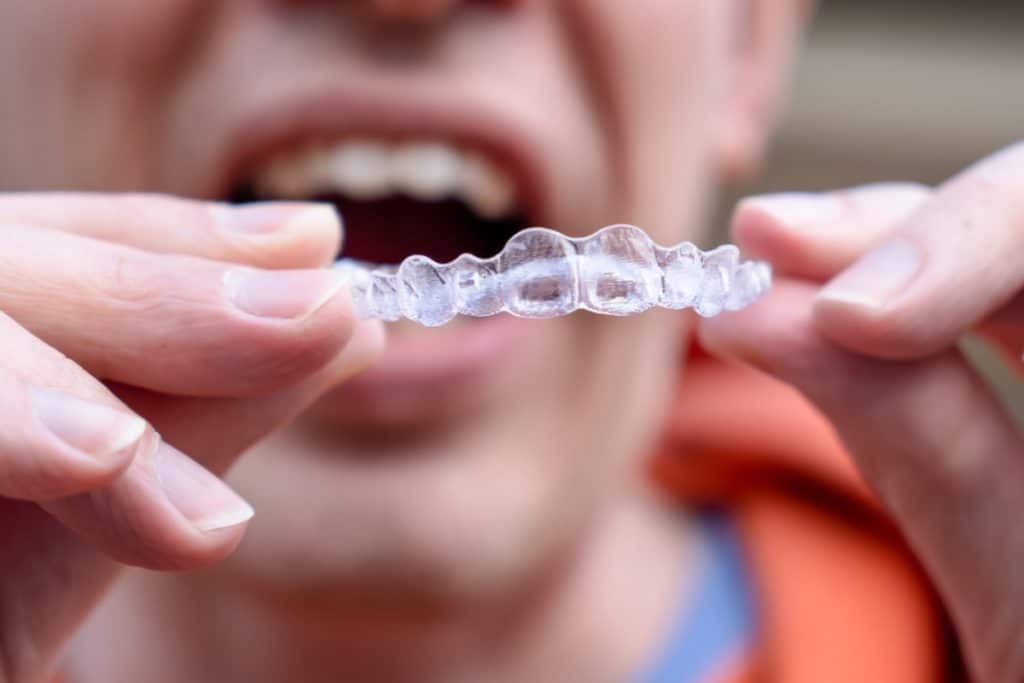
Wondering if your bite is a good fit for Invisalign? Here’s what actually works in North Salt Lake — and what doesn’t. Invisalign has transformed how millions of people straighten their teeth. But it isn’t the right solution for every patient. At North Salt Lake Dental, Dr. David P. Thorup helps patients understand exactly what Invisalign can accomplish before they commit to treatment.
This article walks through the most common bite issues Invisalign addresses. It also explains how different alignment concerns may affect treatment suitability. Understanding candidacy upfront saves time, money, and frustration.
What Invisalign Can Fix: Common Bite Issues It Handles Well
Invisalign uses a series of clear, removable aligners to gradually shift teeth. It works best for mild to moderate alignment issues. Many patients in North Salt Lake are excellent candidates right from their first consultation.
Here are the most common conditions Invisalign treats effectively:
- Mild to moderate crowding — teeth that overlap or are too close together
- Gaps and spacing issues — extra space between teeth that affects appearance and function
- Mild overbite — when upper front teeth extend too far over lower teeth
- Mild underbite — when lower teeth sit in front of upper teeth
- Crossbite — when upper and lower teeth don’t align side to side
- Open bite — when upper and lower front teeth don’t touch when biting
For these issues, Invisalign delivers reliable, predictable results. The aligners apply consistent, controlled pressure. That pressure gradually moves teeth into the correct position over several months.
Is Your Bite a Good Fit for Invisalign? Signs You’re a Strong Candidate in North Salt Lake
Not every patient walks in knowing whether they qualify. Dr. Thorup evaluates several factors during a candidacy consultation. These factors help determine whether clear aligners are the right path forward.
You’re likely a strong candidate if you meet these criteria:
- Your teeth are fully erupted and your jaw has stopped growing
- Your alignment issues are mild to moderate — not severe
- You have good overall oral health with no untreated decay or gum disease
- You can commit to wearing aligners 20 to 22 hours per day
- You’re motivated to follow the treatment plan consistently
Adults and older teens tend to be the strongest candidates. Younger children and adolescents whose jaws are still developing may need to wait. Compliance is also a major factor — Invisalign only works when patients wear their aligners as directed.
What to Expect During an Invisalign Consultation at North Salt Lake Dental
The first step is a thorough evaluation of your teeth, gums, and bite. Dr. Thorup uses digital imaging and detailed examination to map your current alignment. This gives a clear picture of what treatment can realistically achieve.
Here’s a general overview of the consultation process:
- Oral health exam to confirm your teeth and gums are in good condition
- Digital scans or impressions of your teeth to create a 3D model
- Review of your bite issues and discussion of goals
- A customized treatment plan with a projected timeline and outcome
- Answers to all your questions before you make any decision
The consultation is educational, not high-pressure. Dr. Thorup believes patients make better decisions when they understand their options fully. You’ll leave with a clear sense of whether Invisalign is the right fit — or whether another approach makes more sense.
If you do move forward, your custom aligners are typically ready within a few weeks. You’ll switch to a new set every one to two weeks. Regular check-ins at North Salt Lake Dental help ensure your teeth are tracking correctly throughout the process.
Invisalign and Overall Smile Health: The Bigger Picture
Straightening your teeth does more than improve your appearance. Properly aligned teeth are easier to brush and floss. That means fewer cavities, less gum inflammation, and better long-term oral health.
For patients in North Salt Lake, Invisalign is often the first step in a broader smile transformation. Many patients follow up with teeth whitening, bonding, or other cosmetic treatments after their alignment is corrected. Starting with a straight foundation makes those finishing touches even more impactful.
Invisalign also offers practical lifestyle benefits. The aligners are removable, so you eat and drink without restrictions. You can brush and floss normally throughout treatment. And unlike metal braces, clear aligners are nearly invisible in daily life.
Final Thoughts
Straightening your smile is one of the most impactful investments you can make in your oral health and confidence. At North Salt Lake Dental, Dr. Thorup takes the time to evaluate your bite carefully and explain your options clearly. Whether Invisalign is the right fit or another path makes more sense, you’ll always leave with honest guidance. Contact now to schedule your appointment with our team.
Frequently Asked Questions
How do I know if my bite is too severe for Invisalign?
The best way to find out is through a professional consultation. Dr. Thorup will evaluate your specific bite and let you know whether Invisalign can address your alignment issues or whether another approach would serve you better.
Can Invisalign fix an overbite or underbite?
Invisalign can correct mild to moderate overbites and underbites. Severe cases involving significant jaw misalignment may require a combination of orthodontic and surgical treatment. Your consultation will clarify which category your bite falls into.
What happens if I don’t wear my aligners enough each day?
Invisalign only works when worn consistently — ideally 20 to 22 hours per day. Wearing aligners less than that slows progress and can cause teeth to shift back toward their original position. Compliance is one of the most important factors in a successful outcome.
Is Invisalign painful?
Most patients experience mild pressure or discomfort when switching to a new set of aligners. This typically fades within a day or two. The sensation is a sign that the aligners are working and teeth are moving. It’s generally much more comfortable than traditional braces.
How long does Invisalign treatment take?
Treatment length varies depending on the complexity of your case. Mild cases may take as few as six months. More involved cases can take 12 to 18 months. Dr. Thorup will give you a projected timeline during your consultation based on your specific bite and goals.