
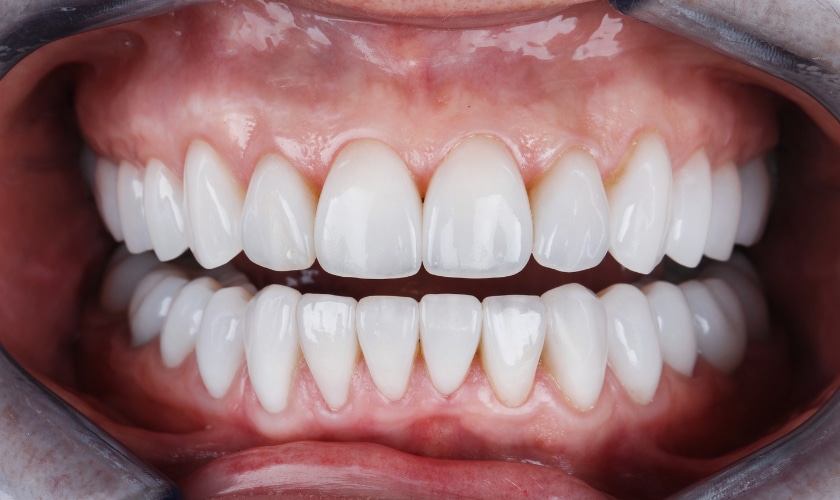
Looking for a quick and easy solution to fix your dental imperfections? Look no further than cosmetic bonding! This innovative dental procedure offers an affordable, fast, and effective way to transform your teeth’s appearance. Whether you have chipped or discolored teeth, gaps between your teeth, or uneven tooth shapes – cosmetic bonding can help you achieve the smile of your dreams in just one visit. In this blog post, we’ll discuss everything you need to know about this game-changing treatment option – so let’s dive in!
What is Cosmetic Bonding?
Cosmetic bonding is a type of dental procedure that can be used to improve the appearance of your teeth. It can be used to correct a number of different dental imperfections, including chips, cracks, gaps, and discoloration. Cosmetic bonding is usually performed using a composite resin material, which is matched to the color of your natural teeth. The resin is applied to the tooth and then hardened with a special light. Once the resin has hardened, it will be polished to give your tooth a natural-looking finish.
The Different Types of Cosmetic Bonding
A cosmetic bonding procedure can be used to improve the appearance of your teeth in a number of different ways. Your dentist will select the type of bonding material that best suits your needs, based on the specific dental imperfection that you wish to correct.
The most common types of cosmetic bonding materials include:
Composite resin:
This is a putty-like material that can be matched to the exact shade of your natural teeth. It is then used to fill in any gaps or chips in your teeth, and can also be used to change the shape or size of your teeth.
Porcelain:
This is a strong, durable material that can be used to create lifelike tooth replacements, known as veneers. Porcelain veneers are often used to correct misshapen or discolored teeth.
Stainless steel:
This is a strong metal that is commonly used in dental crowns. It can also be used to fill in large cavities or gaps in your teeth.
Your dentist will determine which type of cosmetic bonding material is right for you, based on the specific dental imperfection that you wish to correct. Once the decision has been made, the bonding procedure itself is quick and easy, and can usually be completed in just one office visit.
Pros and Cons of Cosmetic Bonding
Cosmetic bonding is a popular dental procedure that can be used to improve the appearance of your teeth. Bonding can be used to repair damage such as chips, cracks, and gaps in your teeth. It can also be used to change the shape or color of your teeth.
Bonding is usually done in one visit to the dentist. The procedure is quick and easy, and it does not require anesthesia. Bonding can be done in a single session, which means you won’t have to come back for multiple appointments.
One of the biggest advantages of cosmetic bonding is that it is a relatively affordable dental procedure. Bonding is also a minimally invasive procedure, which means there is no drilling or shots required.
However, there are some disadvantages to cosmetic bonding as well. One of the biggest drawbacks is that bonding does not last as long as other dental procedures such as veneers or crowns. Bonding typically lasts for about three to five years before it needs to be redone. Additionally, bonding can stain easily and may require more frequent cleaning than natural teeth.
What to Expect During Cosmetic Bonding Treatment
If you are considering cosmetic bonding as a way to improve the appearance of your smile, you may be wondering what to expect during the treatment process. Cosmetic bonding is typically performed in one office visit, and the results are immediate. Here is a look at what you can expect during your cosmetic bonding treatment:
Your dentist will begin by cleaning your teeth and roughening up the surface of your tooth enamel. This helps the bonding material to adhere to your tooth more easily. Next, your dentist will choose a shade of composite resin that closely matches the color of your natural tooth enamel. The resin is then applied to your tooth and shaped into place. Once the resin is in the desired position, it is hardened with a special light. Finally, your dentist will trim away any excess resin and polish your tooth for a natural-looking finish.
Cosmetic bonding can be an excellent option for correcting minor dental imperfections such as cracks, chips, gaps, and stained or discolored teeth. The entire treatment process can be completed in just one office visit, and you will see immediate results. If you are considering cosmetic bonding, be sure to talk to your dentist about whether this treatment option is right for you.
After Care Instructions for Cosmetic Bonding
It is important to take care of your cosmetic bonding in order to prolong its lifespan and keep your smile looking its best. Here are some after care instructions:
1. Avoid eating hard or sticky foods:
hard foods can break the bond, while sticky foods can loosen it. Be sure to cut up hard foods into small pieces, and avoid chewing gum or eating candy.
2. Brush and floss regularly:
just like your natural teeth, you need to brush and floss your bonded teeth twice a day. This will help remove plaque and bacteria that can cause decay or staining.
3. Visit your dentist for regular checkups:
it is important to visit your dentist every 6 months for a cleaning and checkup. Your dentist will be able to monitor the condition of your bonding and make any necessary repairs or adjustments.
Alternatives to Cosmetic Bonding
If you’re looking for a quick and easy way to fix dental imperfections, cosmetic bonding may be the right solution for you. However, there are a few alternatives to cosmetic bonding that you may want to consider.
One alternative to cosmetic bonding is porcelain veneers. Porcelain veneers are thin pieces of porcelain that are custom-made to fit over your existing teeth. They can be used to correct a wide variety of dental problems, including chips, cracks, stains, and gaps.
Another alternative to cosmetic bonding is teeth whitening. Teeth whitening can be done at home with over-the-counter products or at the dentist’s office with professional treatments. While it won’t address structural issues like chips or cracks, it can help improve the appearance of your smile by making your teeth look brighter and whiter.
If you’re not sure which treatment is right for you, talk to your dentist about your options. They can help you decide if cosmetic bonding, veneers, or teeth whitening is the best way to improve your smile.
Conclusion
Cosmetic bonding is a great way to quickly and easily correct minor dental imperfections, such as chips or cracks in your teeth. This minimally-invasive procedure can be completed in just a single office visit and the results are usually long lasting. If you’re looking for an effective way to improve the appearance of your smile without undergoing more invasive treatments, then cosmetic bonding may be the best option for you. It’s important to consult with your dentist first so that they can evaluate if this treatment will work well for you.
FAQs
1. What is cosmetic bonding?
Ans. Cosmetic bonding is a dental procedure in which a tooth-colored resin is used to improve the appearance of a tooth. The resin can be used to change the color, shape, size, or length of a tooth. It can also be used to close gaps between teeth or to protect a tooth’s exposed root.
2. How is cosmetic bonding done?
Ans. During cosmetic bonding, your dentist will first roughen up the surface of your tooth. This will help the resin bond better to your tooth. Next, your dentist will apply the resin to your tooth and mold it into the desired shape. Once the resin is in place, your dentist will use a light to harden it. Finally, your dentist will trim and polish the resin so that it blends in with your natural teeth.
3. How long does cosmetic bonding last?
Ans. Cosmetic bonding usually lasts for several years before it needs to be touched up or replaced. However, it is important to avoid habits that can damage the bonded area, such as biting fingernails or chewing on ice cubes. Additionally, you should take care when brushing and flossing around bonded teeth so as not to damage the resin.