
Are you tired of feeling self-conscious about your missing teeth or ill-fitted dentures? Full-mouth dental implants might be the solution for you! However, before jumping into the procedure, there are several factors to consider. This blog post will provide insight into whether full-mouth dental implants are right for you. Keep reading to discover if this life-changing procedure is worth exploring.
What Are Full-Mouth Dental Implants?
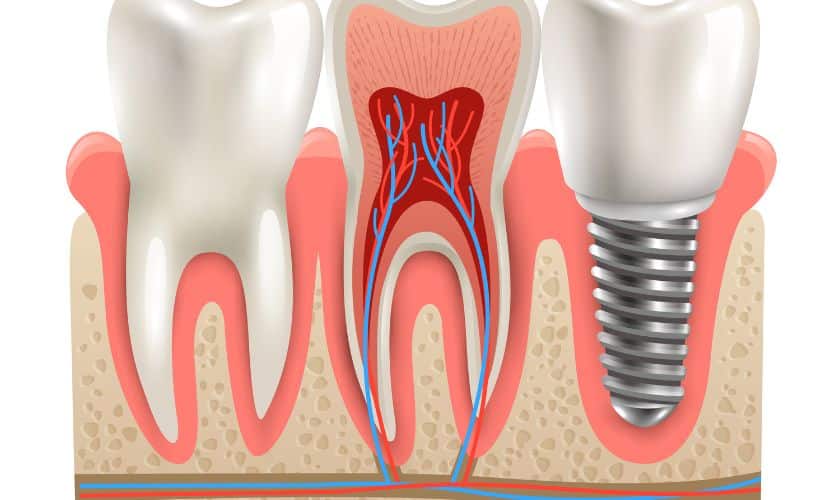
Full-mouth dental implants are an option for those who have lost all of their teeth. This type of implant is also an option for people who have suffered extensive damage to their teeth. The implants are placed in the jawbone and act as a replacement for the natural teeth. They are a permanent solution to tooth loss and can improve the function and appearance of your smile.
How To Know If Full-Mouth Dental Implants Are Right For You?
There are many factors to consider when determining whether full-mouth dental implants are right for you. Some of the most important considerations include:
1. The State Of Your Oral Health
In order to be a candidate for dental implants, you must have good oral health. This means that you must have healthy gums and bones, and should not have any active gum disease. If you do have gum disease, it must be controlled and stabilized before implant surgery can be performed.
2. The Condition Of Your Teeth
If you are missing all of your teeth, or if most of your teeth are severely damaged or decayed, then dental implants may be right for you. However, if you only have a few missing or damaged teeth, then other options such as dental bridges or dentures may be more appropriate.
3. Your Bite
One of the most important factors in determining whether dental implants are right for you is your bite. In order to achieve successful full-mouth dental implants, your bite must be able to support the implants. This means that there must be enough space in your mouth for the implants and that your teeth and jaws are properly aligned. An improper bite can cause implant failure or other complications.
4. Your Lifestyle :
Another important factor to consider is your lifestyle. Dental implants require a high level of commitment in terms of both time and money. Additionally, they are not suitable for everyone; people who smoke or who have certain medical conditions.
Before getting full-mouth dental implants, or any other dental treatment it is essential to know if you are the right candidate for it. You need to be knowledgeable about the requirements of the procedure and also what the aftereffects are.
The Bottom Line
Full-mouth dental implants can be a great solution for those who have experienced severe tooth loss or decay. It is important to carefully consider the factors outlined above before making a decision about whether full-mouth dental implants are the right choice for you. As with any major medical procedure, it’s crucial that you discuss your options with your dentist and make sure you understand all of the benefits associated with this type of treatment. With proper research and information, you can make an informed decision that will help ensure successful results and long-term oral health.
FAQs
Q: How long do full-mouth dental implants last?
A: Full-mouth dental implants are a type of dental prosthesis that can be used to replace all of the teeth in a person’s mouth. They are usually made of titanium, a material that is very strong and durable. Full-mouth implants can last for many years, and in some cases, they may even last for a lifetime. However, it is important to note that the lifespan of an implant may vary depending on the individual’s oral health and how well they take care of their teeth.
Q: Are full-mouth dental implants painful?
A: No, most patients report little to no discomfort during or after their procedure. Your dentist will provide you with anaesthetic before the procedure begins to ensure that any mild pain experienced is minimal.
Q: How long do full-mouth dental implants last?
A: With proper care and maintenance, full mouth dental implants can last up to 20 years or longer! Regular brushing, flossing, checkups and professional cleanings will help keep your implant in good health for many years to come.