
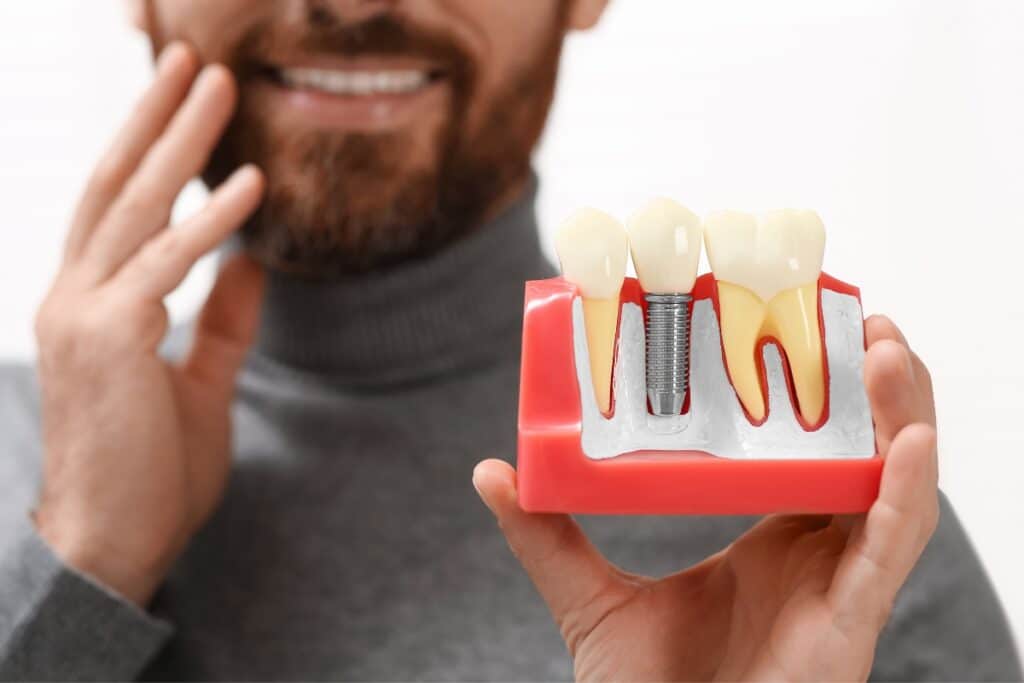
If you lose a permanent tooth, one of the first questions you may have is, “When should I replace it?” Dental implants are a popular option because they are designed to replace both the missing tooth and its root. They can also feel more secure than removable dentures and can help you get back to eating, speaking, and smiling comfortably.
But when it comes to implants, age isn’t the only thing that matters. In fact, there isn’t a single “perfect” age for everyone. The right time depends on factors such as jaw development, bone health, gum health, and your overall ability to heal.
When Is Someone Old Enough for a Dental Implant?
For most people, dental implants are considered after the jaw has finished growing. This is especially important for younger patients because the jaw continues to change throughout childhood and adolescence.
A dental implant is placed directly into the jawbone and is meant to remain in a fixed position. Natural teeth, on the other hand, continue to move and adjust as the jaw develops. Placing an implant too early could therefore create problems with the surrounding teeth and the appearance of the smile.
For adults with fully developed jaws, dental implants in North Salt Lake may be an option when a tooth has been lost because of decay, injury, gum disease, or another dental problem. Your dentist will first determine whether your mouth is ready for treatment.
Why Can’t Children Usually Get Implants?
It can be tempting to replace a missing permanent tooth right away, especially when a child or teenager feels embarrassed about a gap in their smile. However, waiting is often the safer approach.
The jaw is still developing during these years. If an implant is placed before that growth is complete, it may not remain in harmony with the surrounding teeth as the jaw changes.
Instead, a dentist may recommend a temporary solution until growth has finished. Once the jaw is mature, the patient can be reevaluated to determine whether an implant is appropriate.
There is no universal age at which jaw growth stops. It varies between individuals, which is why a professional evaluation is more useful than simply relying on a particular birthday.
Is There an Age Limit for Dental Implants?
Not really. You don’t automatically age out of implant treatment.
Someone in their 50s, 60s, 70s, or even older may still be a candidate. When North Salt Lake dentists evaluate an older adult, they look at the person’s oral and general health rather than making the decision based on age alone.
For example, the dentist may check whether the gums are healthy, whether there is enough bone in the area, and whether the patient is likely to heal well after treatment. Existing dental problems may need to be treated before an implant is placed.
What Does Your Jawbone Have to Do With It?
Your jawbone provides the support an implant needs. After a natural tooth is lost, the bone around the empty space may gradually become thinner because the tooth root is no longer there to stimulate it.
This doesn’t mean an implant is impossible. Some patients with bone loss may be able to have a bone-grafting procedure before implant placement. Others may have enough bone remaining to proceed without additional treatment.
Dental imaging allows your dentist to get a better understanding of your bone structure and plan treatment accordingly.
What Other Things Affect Candidacy?
A healthy mouth provides a better environment for implant treatment. Your dentist may consider several factors, including:
- The condition of your gums
- The amount and quality of available jawbone
- Your oral hygiene routine
- Existing cavities or infections
- Tobacco use
- Certain medications and health conditions
- Your ability to follow post-treatment instructions
If you have gum disease or another untreated dental issue, your dentist may recommend addressing it before moving forward with an implant.
This approach isn’t about delaying treatment unnecessarily. It’s about giving the implant the healthiest possible environment to heal.
What Happens After an Implant Is Placed?
The implant process doesn’t end when the post is placed in the jaw. The bone needs time to heal around it.
During this healing stage, the implant gradually becomes anchored in the surrounding bone. Once the dentist confirms that healing has progressed appropriately, the replacement tooth can be attached.
The final restoration is custom-made to fit your mouth and is designed to blend naturally with your surrounding teeth. Treatment times vary, so your dentist will explain what to expect based on your individual needs.
What If I’m Older and Have Other Dental Problems?
Being older doesn’t necessarily prevent you from getting an implant. However, existing oral health concerns should be considered.
For example, someone with untreated gum disease may need periodontal treatment before implant placement. Likewise, a person with significant bone loss may require additional planning.
Your dentist will review your dental history, examine your mouth, and consider your overall health before recommending treatment. If an implant isn’t the best choice, other tooth-replacement options can also be discussed.
How Long Can an Implant Last?
Dental implants are intended to be a long-term solution, but they still require regular care. An implant isn’t a “set it and forget it” treatment.
You should continue brushing and cleaning between your teeth and visit your dentist for routine examinations. Keeping your gums healthy is particularly important because infection and inflammation around an implant can affect the tissues supporting it.
Lifestyle choices matter, too. Tobacco use can interfere with healing and may increase the risk of complications.
So, What Is the Best Age?
The short answer is: there is no magic age for dental implants.
For younger patients, the jaw generally needs to finish developing first. For adults, the decision is based much more on oral health, bone availability, gum condition, and overall health than on age.
That means an older adult who is healthy enough for treatment may be a better candidate than a much younger person whose jaw is still developing.
If you’ve been living with a missing tooth, don’t assume you’re too young, too old, or that you’ve waited too long. A dental examination can give you a much clearer picture of what is possible.
Take the Next Step Toward Replacing a Missing Tooth
You don’t have to decide whether you’re a dental implant candidate based on your age alone. Your jaw development, oral health, bone condition, and overall health all play a role in determining whether treatment is appropriate.
If you’re considering replacing a missing tooth and want to understand your options, North Salt Lake Dental can help you explore the possibilities based on your individual needs.
Schedule an appointment with North Salt Lake Dental today to discuss whether dental implants are right for you.
Frequently Asked Questions About Dental Implant Age
Can a teenager get a dental implant?
Most teenagers need to wait until their jaw has finished developing. Because growth differs from person to person, a dentist may use dental imaging to determine when implant treatment could be appropriate.
Is there a minimum age for dental implants?
There isn’t one specific age that applies to everyone. Completion of jaw development is generally more important than the number of candles on your birthday cake.
Can someone over 65 get dental implants?
Yes. Healthy older adults can often be considered for implants. Your dentist will evaluate your bone, gums, oral hygiene, and overall health before recommending treatment.
What if I have bone loss?
Bone loss doesn’t always rule out implants. Depending on your situation, your dentist may recommend bone grafting or another procedure to create adequate support.
Is an implant better than a denture?
It depends on your needs. Implants are fixed in the jaw, while dentures are removable. Your dentist can compare the benefits, limitations, costs, and maintenance requirements of each option.
Can I get an implant years after losing my tooth?
In many cases, yes. However, bone loss can occur over time after a tooth is removed. An examination and dental imaging can determine whether additional treatment is needed.
How do I know if I’m ready for an implant?
The best way to find out is through a comprehensive dental evaluation. Your dentist can examine the missing-tooth area, assess your gums and bone, and discuss your goals.