
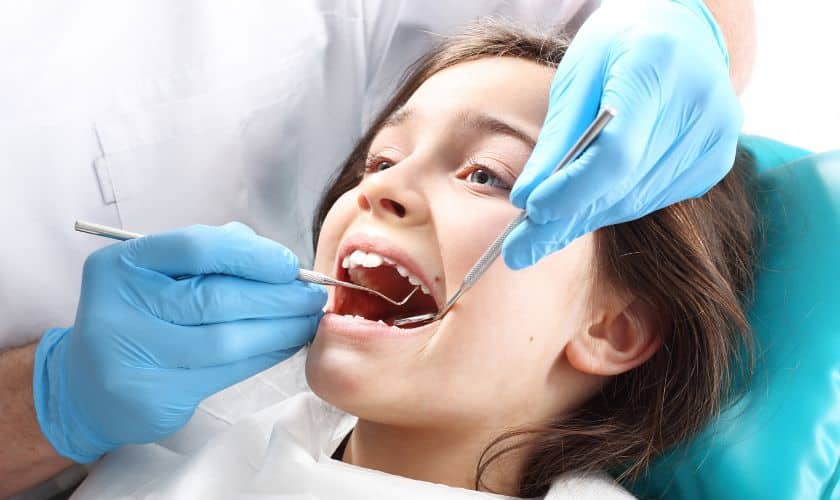
Dental sealants play a crucial role in preventing tooth decay and maintaining optimal oral health. In this comprehensive guide, we’ll explore everything you need to know about dental sealants, from what they are and how they work to their benefits, application process, and long-term effectiveness.
Understanding Dental Sealants
Dental sealants are thin, protective coatings applied to the chewing surfaces of the back teeth (molars and premolars). Made of plastic resin material, sealants create a barrier that seals off the pits and grooves of the teeth, preventing bacteria and food particles from accumulating and causing decay.
How Dental Sealants Work
The chewing surfaces of the back teeth contain deep grooves and fissures where bacteria and food particles can easily become trapped, leading to cavities. Dental sealants act as a protective shield, filling in these grooves and creating a smooth surface that is easier to clean with regular brushing and flossing.
Benefits of Dental Sealants
One of the primary benefits of dental sealants is their ability to prevent tooth decay and cavities. Sealants help reduce the risk of decay by up to 80% by sealing off vulnerable areas of the teeth. Additionally, sealants can save both time and money by preventing the need for more extensive dental treatments, such as fillings or root canals, in the future.
Who Can Benefit From Dental Sealants
While dental sealants are most commonly recommended for children and teenagers, adults can also benefit from this preventive treatment. Children and teenagers are particularly susceptible to tooth decay due to their developing oral hygiene habits and the deep grooves of their newly erupted permanent teeth. However, adults with a history of cavities or deep grooves in their teeth may also benefit from sealants to protect against future decay.
The Dental Sealant Application Process
The application of dental sealants is a quick, painless, and non-invasive procedure that can typically be completed during a routine dental visit. Here’s what to expect during the sealant application process:
- Preparation: The teeth receiving the sealants are thoroughly cleaned and dried to ensure proper adhesion.
- Etching: A special etching solution is applied to the chewing surfaces of the teeth to roughen the enamel and create a stronger bond with the sealant.
- Application: The sealant material is carefully painted onto the teeth and allowed to flow into the grooves and fissures.
- Curing: A curing light hardens the sealant and bonds it to the tooth surface.
- Evaluation: The dentist will check the sealants to ensure they have properly bonded to the teeth and provide instructions for care and maintenance.
Long-Term Effectiveness of Dental Sealants
When properly applied and maintained, dental sealants can provide long-lasting protection against tooth decay. Studies have shown that sealants can remain effective for up to 10 years or more with regular dental check-ups and proper oral hygiene habits. However, it’s essential to monitor the condition of the sealants and have them reapplied as needed to ensure continued protection.
Caring For Dental Sealants
Maintaining good oral hygiene habits is essential for preserving the effectiveness of dental sealants. This includes brushing twice a day with fluoride toothpaste, flossing daily, and attending regular dental check-ups and cleanings. Avoiding sticky, sugary foods and beverages can also help prevent damage to the sealants and reduce the risk of decay.
Dental sealants are a valuable preventive tool for protecting against tooth decay and maintaining a lifetime of healthy teeth. By understanding how sealants work, who can benefit from them, and how to care for them properly, you can take proactive steps to safeguard your oral health and enjoy a beautiful, cavity-free smile for years to come. If you’re considering dental sealants for yourself or your child, talk to your dentist to determine if this preventive treatment is right for you.