
Smiling may be a universal language, but without proper dental care, it can quickly become a source of discomfort and embarrassment. Brushing and flossing are essential for maintaining healthy teeth, but sometimes they’re not enough. That’s where dental sealants come in! If you want to protect your pearly whites from decay, cavities, and other oral health problems, then read on because we have everything you need to know about this effective preventive measure. Say goodbye to painful trips to the dentist and hello to a brighter and healthier smile with dental sealants!
What are Dental Sealants?
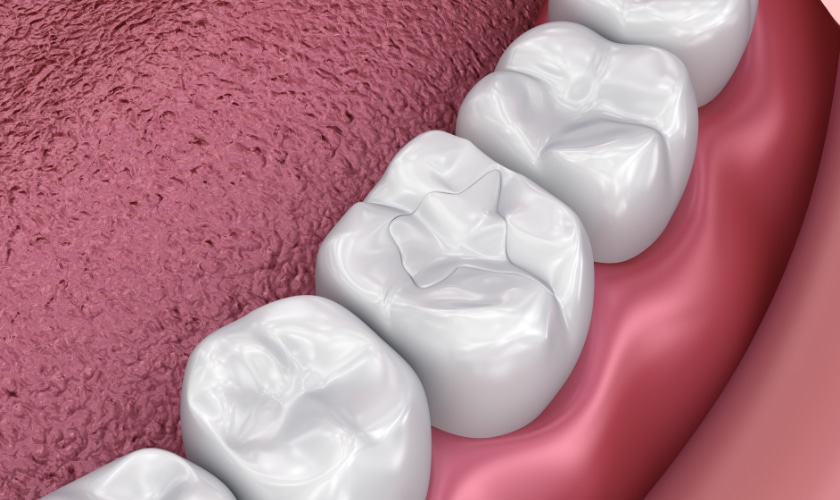
Dental sealants are a type of preventive dental treatment that can help protect your teeth from cavities. Sealants are thin, clear or white, plastic coatings that are applied to the chewing surfaces of the back teeth (molars and premolars). The sealant bonds to the tooth enamel and creates a barrier that prevents food and plaque from getting into the tiny crevices in these teeth.
Dental sealants are most often used on children’s teeth, but they can also be used on adults’ teeth. Sealants can last for several years, but they will need to be checked and reapplied as needed.
If you are interested in getting dental sealants for yourself or your child, talk to your dentist about whether this treatment is right for you.
How Do Dental Sealants Work?
Dental sealants are a type of preventive dental treatment that can help to protect your teeth against cavities. They are usually applied to the chewing surfaces of the back teeth (molars), where most cavities occur. The sealant forms a barrier that prevents food and bacteria from getting into the small grooves on the tooth surface, which can lead to cavities.
Dental sealants are made of a plastic material and are applied by your dentist or hygienist. The process is quick and easy, and does not require any numbing or drilling. First, the tooth surface is cleaned and roughened up so that the sealant will adhere better. Then, the sealant is applied to the tooth in a liquid form, and quickly hardens into a protective barrier.
Dental sealants can last for many years, but will need to be checked and reapplied as needed. Sealants are an important part of a child’s cavity prevention plan, but adults can also benefit from them. If you are concerned about cavities, talk to your dentist about whether dental sealants are right for you.
Who Needs Dental Sealants?
When it comes to protecting your teeth, dental sealants are one of the best tools available. Sealants are a thin, protective coating that is applied to the chewing surfaces of the back teeth, where most cavities occur. They act as a barrier, keeping out food and bacteria that can cause tooth decay.
Sealants are most effective in preventing cavities in children and adolescents, because they are more likely to have deep grooves in their teeth that trap food and bacteria. However, adults can also benefit from sealants if they have certain risk factors for tooth decay, such as dry mouth or previous cavities.
If you are considering sealants for yourself or your child, talk to your dentist about whether they are appropriate for your situation.
How Long Do Dental Sealants Last?
The lifespan of a dental sealant depends on a few factors, including the type of sealant used, the location of the tooth, and how well the sealant is cared for. Generally, most sealants will last for several years before needing to be replaced.
However, it’s important to keep up with regular dental checkups and cleanings, as well as take good care of your teeth at home, in order to prolong the life of your dental sealants.
How Much Do Dental Sealants Cost?
Dental sealants are a thin, protective coating that is applied to the back teeth, where most cavities occur. Sealants fill in the grooves and pits on the chewing surfaces of the molars, making them easier to clean and less likely to develop cavities. Cost can be a barrier for many people when it comes to dental care, but sealants are a relatively affordable option, especially when compared to the cost of dental fillings or crowns. Most insurance plans cover at least a portion of the cost of sealants, and many dentists offer discounts for patients who pay cash.
Conclusion
Dental sealants provide an added layer of protection for your teeth, keeping them healthy and strong. Not only do they protect against cavities and decay, but they also make brushing easier by preventing food particles from getting stuck in the nooks and crannies of your teeth. With their easy application process and long-term benefits, dental sealants are a great way to keep your smile looking its best for years to come.
FAQs
1. What are dental sealants?
Ans. Dental sealants are a thin, protective coating that is applied to the chewing surfaces of the back teeth (molars and premolars). Sealants fill in the grooves and pits on these teeth, which can trap food and bacteria and lead to cavities.
2. Why are sealants important for children’s teeth?
Ans. Sealants are especially important for children’s teeth because they are more likely to develop cavities in their back teeth. The American Academy of Pediatrics recommends that all children get sealants on their molars and premolars as soon as they come in (usually around age 6 or 7).
3. How long do dental sealants last?
Ans. Dental sealants can last for many years, but they will need to be checked at regular dental appointments and re-applied or replaced if they start to wear down.
4. Are dental sealants safe?
Ans. Yes, dental sealants are perfectly safe. They are made from a biocompatible material that is not toxic and does not cause any allergic reactions.