
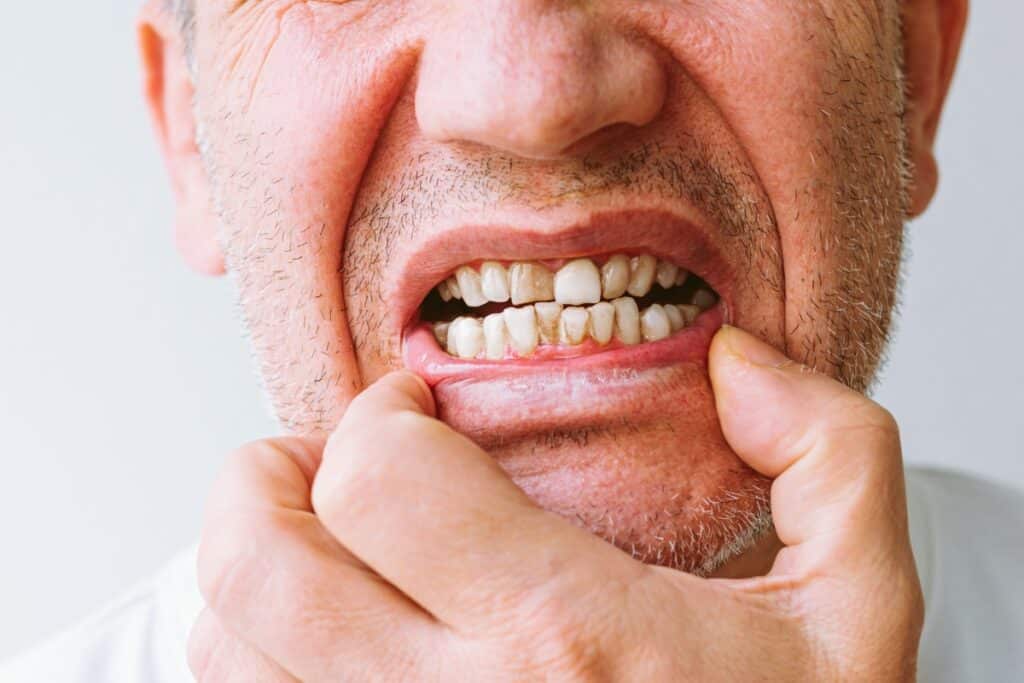
Noticing black stains on your teeth can be unsettling. Even if your teeth feel healthy, dark marks can make you hesitant to smile or speak confidently. These stains don’t appear for just one reason, and they’re more common than most people realize. The good news is that with the right approach, they can often be reduced—or removed entirely.
This guide breaks down why black stains happen, what you can safely do at home, when professional care matters, and how to keep your teeth looking their best going forward.
What Causes Black Stains on Teeth?
Black stains develop for several reasons, and the cause often determines how easy they are to remove. In many cases, staining begins on the surface of the teeth but can become more stubborn over time if ignored.
Tobacco use is one of the most common causes. Whether smoking or chewing, tobacco leaves dark residue that clings to enamel. Poor oral hygiene is another major factor. When plaque isn’t removed regularly, it hardens into tartar, which often appears dark brown or black near the gumline.
Certain foods and drinks also contribute. Coffee, tea, soda, and red wine contain pigments that gradually stain teeth. In some cases, medications or supplements may cause discoloration, especially when exposure occurs during tooth development.
Why Black Stains Deserve Attention
While some stains are cosmetic, others can signal deeper issues like tartar buildup or early decay. Black stains near the gums may also increase the risk of gum disease if left untreated. Addressing stains early not only improves appearance but also supports long-term oral health.
Many people who explore cosmetic dentistry North Salt Lake options do so not just for aesthetics, but because stain removal often goes hand in hand with healthier teeth and gums.
Ways to Reduce Black Stains at Home
For mild surface stains, a few at-home methods may help improve the appearance of your teeth. These approaches should be used carefully and in moderation.
Baking Soda
Baking soda can help lift surface stains due to its gentle abrasive quality.
Mix a small amount with water to form a paste, brush gently for about two minutes, then rinse well. This should only be done once or twice a week to avoid enamel damage.
Oil Pulling
Oil pulling involves swishing oil in the mouth to reduce bacteria.
Swish one tablespoon of coconut oil for 10 to 15 minutes, spit it out, rinse, and brush as usual. Results are subtle and gradual, but some people notice improvement with consistent use.
Activated Charcoal
Activated charcoal can bind to surface stains.
Brush lightly with a small amount for up to two minutes, then rinse thoroughly. Because charcoal is abrasive, it should be used sparingly.
Apple Cider Vinegar
When diluted, apple cider vinegar may help loosen stains.
Mix one teaspoon in a cup of water, swish briefly, and rinse with plain water. Due to its acidity, this method should be used infrequently.
When It’s Time to See a Dentist
If black stains don’t improve, return quickly, or appear beneath the surface of the tooth, professional care is essential. A dentist North Salt Lake can identify whether staining is caused by tartar, decay, or internal discoloration and recommend the safest solution.
Professional treatment ensures stains are removed without harming enamel or irritating the gums.
Professional Options for Removing Black Stains
Dental treatments are often the most effective way to deal with stubborn discoloration.
- Professional dental cleanings remove hardened plaque and tartar that brushing cannot.
- In-office teeth whitening uses stronger whitening agents to address deeper stains caused by food, beverages, or tobacco.
- Scaling and polishing may be recommended for heavier tartar buildup, smoothing tooth surfaces to reduce future staining.
- Cosmetic treatments such as bonding or veneers can cover deep or internal stains when whitening isn’t effective.
How to Prevent Black Stains from Returning
Once stains are gone, prevention becomes the priority. Simple daily habits can make a lasting difference.
Brush twice a day and floss daily to prevent plaque buildup. Use a toothpaste designed to reduce staining or tartar. Rinse your mouth with water after drinking coffee, tea, or soda. Avoid tobacco products whenever possible. Most importantly, keep up with regular dental cleanings and exams.
Frequently Asked Questions
Are black stains on teeth always serious?
Not always, but they should never be ignored. Some stains are cosmetic, while others indicate tartar or decay.
Can brushing harder remove black stains?
No. Brushing aggressively can damage enamel and gums without removing deep stains.
Do home remedies work for everyone?
Home methods may help mild stains, but professional care is often needed for darker or persistent discoloration.
Is professional whitening safe?
Yes, when performed or supervised by a dental professional, whitening is both safe and effective.
How often should stains be professionally removed?
This depends on the cause, but routine cleanings every six months help prevent buildup and staining.
Bring Back Your Natural Smile
Black stains on teeth can affect how you feel about your smile, but they don’t have to be permanent. With the right combination of daily care and professional support, it’s possible to restore a cleaner, brighter appearance and protect your oral health at the same time.
If you’re ready to address black stains and improve your smile, schedule an appointment with a dental professional to discuss the best option for your needs.