Pregnancy brings anticipation, new routines, and plenty of emotions. It also changes the body in ways that can affect the mouth—sometimes unexpectedly. Swollen gums, tender teeth, and new sensitivity may appear, just when comfort feels most important. During this time, staying on top of prenatal oral health matters not only for your smile but also as part of overall well-being for you and your baby. Finding a dentist near you who understands pregnancy needs can make oral care feel simpler and reassuring from the very beginning.
Expecting mothers often ask whether regular checkups can wait. In most cases, they should not. Pregnancy changes hormone levels, saliva flow, and daily habits, increasing the chance of cavities and pregnancy gingivitis. The right dental team supports you with calm guidance, preventive care, and safe dental treatment options when you need them. That’s why searching for a trusted dentist near me during pregnancy is both practical and comforting.
How Pregnancy Can Affect Oral Health
Hormonal Changes and the Gums
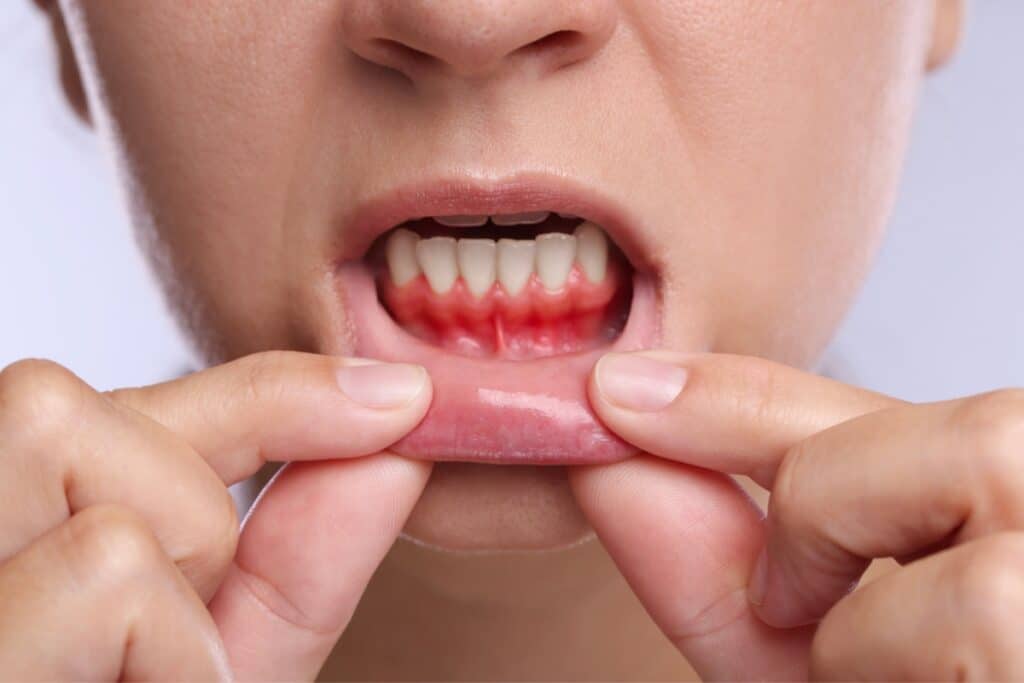
Higher hormone levels increase the body’s response to plaque. This is why many expectant mothers notice red, swollen, or bleeding gums—key signs of pregnancy gingivitis. Research estimates that a large percentage of pregnant individuals experience some level of gum inflammation. Left untreated, this inflammation can progress and cause gum tenderness or discomfort during brushing and eating.
Morning Sickness and Enamel
Frequent vomiting or reflux can expose teeth to stomach acids. Over time, acid softens enamel and raises the risk of erosion and cavities. Dentists often recommend simple steps—like rinsing with water and waiting before brushing—to protect softened enamel.
How a Dentist Helps During Pregnancy
A dentist plays a direct role in helping pregnant patients stay comfortable and healthy during every trimester.
Personalized Checkups and Cleanings
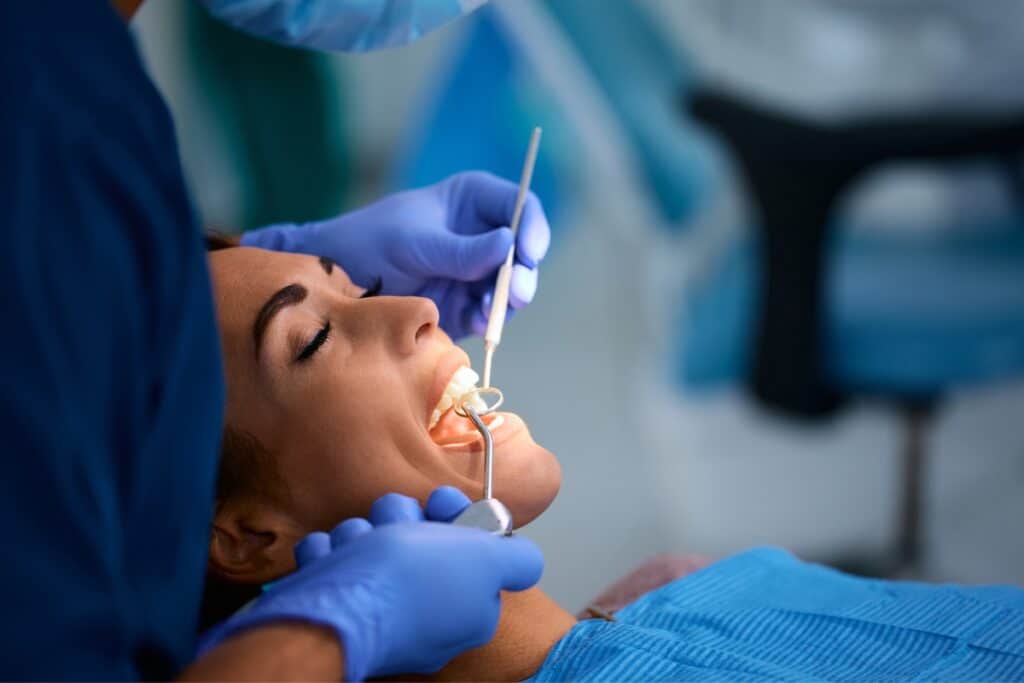
Professional cleanings remove buildup that brushing alone cannot reach. During pregnancy, this becomes even more important because plaque tends to form faster. Dentists can also identify early gum inflammation and guide you on gentle home care.
Pregnancy-Safe Treatment Planning
Many procedures are safe during pregnancy—especially preventive and urgent care. A dentist reviews your medical history, coordinates with your prenatal provider when necessary, and recommends safe dental treatment timing if elective procedures can wait.
Monitoring Pregnancy Gingivitis
Your dentist tracks changes in your gums and suggests steps to reduce bleeding and tenderness. Early guidance can prevent more advanced gum disease, keeping your mouth comfortable through each trimester.
Is Dental Treatment Safe During Pregnancy?
Most routine dental care is considered safe during pregnancy, especially in the second trimester. X-rays, when necessary, use shielding precautions; local anesthetics are selected carefully; and urgent treatment for infection or pain should not be delayed. Good oral health supports overall prenatal wellness.
Understanding Prenatal Oral Health and Gum Disease
Why Pregnancy Gingivitis Matters
Pregnancy gingivitis happens due to increased hormone levels and plaque irritation. Signs include puffiness, bleeding while brushing, and tenderness. When addressed early, it often improves with professional cleaning and improved home care.
Data-Based View
Studies suggest that more than half of pregnant people experience some level of gum inflammation. Regular dental visits and daily brushing with fluoride toothpaste significantly lower this rate. These numbers highlight how preventive dental care during pregnancy has measurable benefit.
At-Home Oral Care Tips During Pregnancy
- Brush twice daily with fluoride toothpaste
- Floss gently to keep gums stimulation and reduce bleeding
- Rinse with water after morning sickness before brushing
- Limit frequent snacking to reduce cavity risk
- Drink water to support saliva flow
- Choose a soft-bristled brush for sore gums
If pain, swelling, or persistent bleeding continues, contacting a dentist sooner rather than later helps prevent complications.
Nutrition, Pregnancy, and Oral Health
Balanced nutrition during pregnancy supports teeth and gums. Calcium-rich foods, leafy greens, lean proteins, and limited sugary snacks protect enamel and lower cavity risk. Drinking water with fluoride, where available, also strengthens enamel. Dentists can help tailor these suggestions when nausea or food aversions make routine eating patterns difficult.
Frequently Asked Questions
Is it safe to have dental X-rays during pregnancy?
Yes, when needed. Modern X-rays use very low radiation, and protective shielding is used. Dentists only recommend them when the benefit outweighs the risk.
Can pregnancy gingivitis go away on its own?
Symptoms often improve after birth, but untreated inflammation can persist or worsen. Professional cleaning and daily hygiene help control it during pregnancy.
Which trimester is best for dental treatment?
Preventive care is safe in all trimesters. Many non-urgent procedures are often scheduled in the second trimester for comfort.
What if I have a dental emergency while pregnant?
Do not wait. Infection or severe pain should be treated promptly because it can affect your overall health and comfort.
Do I need to tell my dentist I am pregnant?
Yes. Sharing due date, medications, vitamins, and any medical concerns helps your dentist tailor safe care.
Final Thoughts
Pregnancy is a season of change. Your smile is part of that journey, and caring for it supports everyday comfort, confidence, and wellness. A trusted dentist helps you prevent problems, manage pregnancy gingivitis, and feel informed about safe dental treatment every step of the way. If you are expecting and have questions about dental care during pregnancy, speaking with your dental office can bring clarity and calm next steps!