
Most people do not think much about their bite until something starts to feel wrong. A cracked tooth, a large cavity, or years of wear can change the way your teeth come together. You may notice discomfort while eating, tenderness in your jaw, or even a feeling that one side of your mouth is doing more work than the other.
When a tooth has been damaged, a dental crown is often recommended to rebuild and protect it. One of the most common questions patients ask is whether a crown will change their bite. The answer depends on the condition of the tooth before treatment, but in many situations, a crown helps restore a more natural and comfortable bite.
Patients looking into cosmetic dentistry North Salt Lake often focus on the appearance benefits of crowns, but there is another important advantage. A properly designed crown can help restore the shape of a damaged tooth, allowing it to function more naturally when you chew, bite, and speak.
What Happens When a Tooth Is Damaged?
Every tooth plays a role in how your mouth functions. When one tooth becomes chipped, cracked, worn down, or weakened by decay, it can affect more than just that single area.
A damaged tooth may:
- Change how your teeth meet when you close your mouth
- Make chewing less comfortable
- Put extra pressure on nearby teeth
- Cause certain areas of the jaw to work harder
- Lead to uneven wear over time
Even small changes can affect the overall balance of your bite.
How a Dental Crown Supports Your Bite
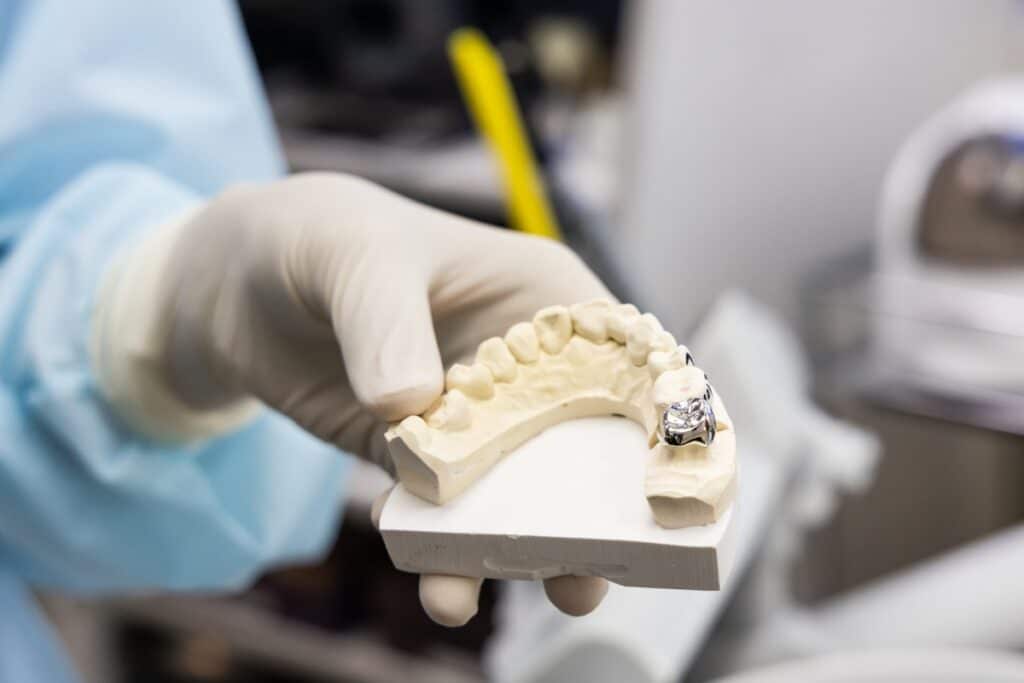
A crown is custom-made to fit over an existing tooth. Its purpose is to rebuild the tooth’s structure while protecting it from further damage.
When the tooth returns to its proper size and shape, your bite often feels more balanced. Food can be chewed more efficiently, and the surrounding teeth no longer have to compensate for a weakened area.
Many patients describe the difference as feeling more stable and comfortable when eating. Instead of avoiding one side of the mouth, they can use both sides more naturally.
Why a New Crown May Feel Unusual at First
Getting used to a dental crown is similar to breaking in a new pair of shoes. The fit may be correct, but it can still feel different because your mouth is adjusting to the restored tooth.
For a few days, you may notice:
- Increased awareness of the crown
- Slight pressure when chewing
- Minor sensitivity to temperature changes
- A feeling that the tooth is “new” or unfamiliar
These sensations usually improve as your mouth adapts.
When a Crown Can Cause Bite Problems
A crown should blend comfortably into your bite. However, if the fit is not quite right, you may notice symptoms that indicate an adjustment is needed.
Some common signs include:
- Pain when biting into food
- A tooth that seems to touch before the others
- Jaw fatigue after meals
- Difficulty chewing comfortably
- Ongoing tenderness around the crowned tooth
Fortunately, correcting these issues is often a simple process. Your dentist can make small adjustments to help the crown fit more naturally.
Benefits of Restoring a Tooth with a Crown
Dental crowns offer more than protection. They help restore normal function and support long-term oral health.
Easier Chewing
A damaged tooth can make eating frustrating. Crowns help bring back strength and stability, making meals more enjoyable.
Better Distribution of Bite Pressure
When teeth are properly aligned, chewing forces are shared more evenly throughout the mouth. This can reduce unnecessary strain on individual teeth.
Protection Against Further Damage
Crowns act as a protective covering for weakened teeth, helping reduce the risk of fractures and additional wear.
Natural Appearance
Modern crowns are designed to resemble natural teeth, making them a popular option for restoring both function and appearance.
Tips for Adjusting to a New Crown
The first few days after treatment are usually the adjustment period. During this time, it can help to:
- Choose softer foods when possible
- Avoid biting hard objects
- Continue brushing and flossing as usual
- Pay attention to any persistent discomfort
Most patients settle into their new crown quickly and are able to return to normal eating habits without difficulty.
Taking Care of Your Crown
Although a crown itself cannot develop decay, the tooth underneath still requires care.
To help your crown last as long as possible:
- Brush thoroughly every day
- Clean between your teeth with floss
- Visit your dentist regularly
- Wear a nightguard if you grind your teeth
- Avoid using your teeth as tools to open packages
Good habits help protect both your restoration and your natural teeth.
Why a Comfortable Bite Matters
A healthy bite contributes to everyday comfort in ways people often overlook. It can affect how easily you chew, how your jaw muscles function, and even how confident you feel when speaking and smiling.
By restoring a damaged tooth, a dental crown can help bring back the balance your mouth needs to function properly. Many patients find that once treatment is complete, they no longer think about the problem tooth because everything simply feels normal again.
Rebuild Your Smile with Confidence
A damaged tooth can affect more than just your oral health—it can change the way you eat, speak, and go about your day. Dental crowns are designed to restore strength, comfort, and function while helping your bite feel more natural. If you have concerns about a damaged tooth or want to learn whether a crown is right for you, the team at North Salt Lake Dental is ready to help. Schedule an appointment today to get started on a healthier, more comfortable smile.
Frequently Asked Questions
Can a dental crown improve chewing?
Yes. A crown restores the strength and shape of a damaged tooth, which can make chewing easier and more comfortable.
How long does it take to get used to a crown?
Most people adjust within several days, although some may need a week or two before the crown feels completely natural.
Is it normal for a crown to feel slightly different?
Yes. A restored tooth often feels unfamiliar at first, but this sensation usually fades as your mouth adjusts.
What if my bite feels uneven after getting a crown?
Contact your dentist. A minor adjustment can often correct the issue and improve comfort.
Can a crown help protect nearby teeth?
Yes. By restoring proper function, a crown can reduce excessive pressure on surrounding teeth and help maintain overall bite balance.