
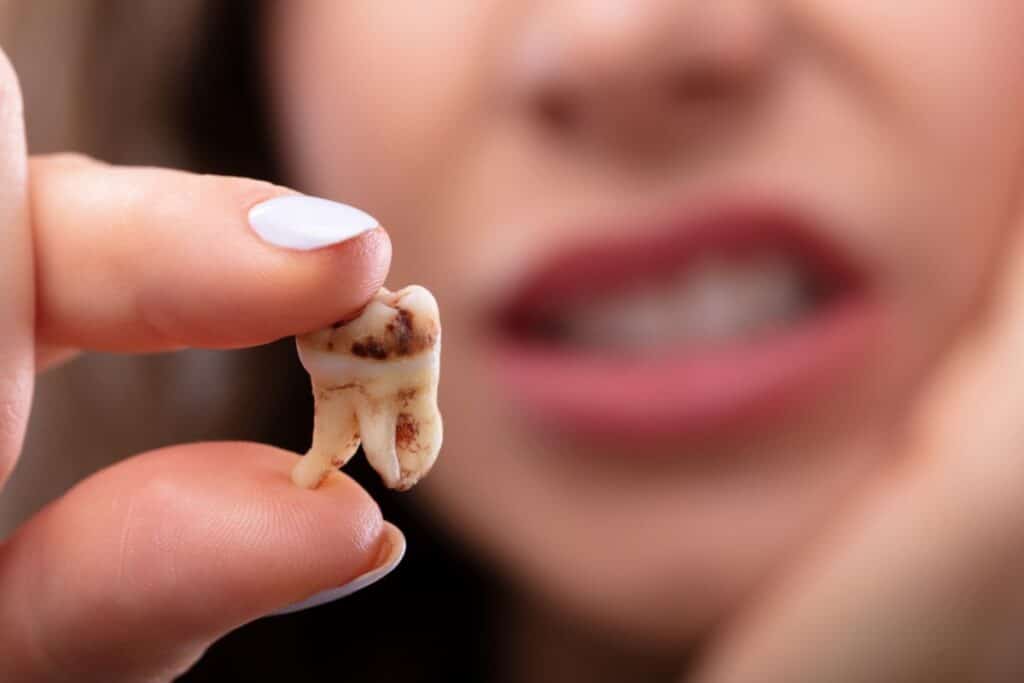
Losing a decayed tooth can be a frightening and unexpected experience. While it might seem like a relief if a damaged or painful tooth falls out on its own, taking the right steps to protect your oral health is essential. Ignoring the situation can lead to infections, gum damage, and complications with neighboring teeth. Here’s what you need to do if a decayed tooth falls out.
1. Stay Calm and Assess the Situation
Feeling worried when a tooth unexpectedly falls out is natural, but staying calm will help you take the proper steps. Examine the area where the tooth was located. If there is excessive bleeding, apply gentle pressure with a clean gauze pad or a damp tea bag to help control it. If the bleeding continues for more than 15 minutes, seek immediate dental care.
2. Rinse Your Mouth Carefully
After a tooth falls out, bacteria and food particles can quickly enter the exposed area. Rinse your mouth with warm salt water to help cleanse the site and reduce the risk of infection. Avoid using mouthwash with alcohol, as it may irritate.
3. Check the Tooth (If Available)
If you have a fallen tooth, inspect it. If it came out due to decay, it’s likely too damaged to be reinserted. However, if it fell out because of trauma, there might be a chance of saving it. Keep the tooth in a clean container and show it to your dentist.
4. Avoid Touching the Root Area
If you are handling the fallen tooth, avoid touching the root, as it is delicate and susceptible to damage. Holding it by the crown (the visible part) is best. Even if the tooth isn’t salvageable, your dentist may want to examine it for further treatment planning.
5. Control Swelling and Discomfort
Pain and swelling are common after losing a decayed tooth. Applying a cold compress to the affected area can help reduce swelling and provide relief. Over-the-counter pain relievers like ibuprofen can also help, but avoid aspirin if you are bleeding, as it can thin the blood and make bleeding worse.
6. Be Mindful of What You Eat
After losing a tooth, your gums and surrounding teeth will be sensitive. Avoid hard, crunchy, or sticky foods that could irritate the area. Opt for soft foods like yogurt, mashed potatoes, and smoothies to minimize discomfort and reduce the risk of injury to the exposed site.
7. Watch for Signs of Infection
A missing tooth leaves an open wound in your mouth, which can be prone to infection. Symptoms to watch for include:
- Persistent pain or throbbing
- Swelling that worsens
- Pus or a foul taste in the mouth
- Fever or general discomfort
If you notice any of these signs, don’t wait—contact an emergency dentist in North Salt Lake immediately to prevent complications. Getting immediate care can help ensure you receive prompt treatment and avoid serious oral health issues. Your smile deserves quick attention!
8. Schedule a Dental Appointment
Even if you’re not experiencing pain, seeing a dentist as soon as possible is crucial. A professional can assess whether the surrounding teeth and gums are affected, recommend any necessary treatment, and discuss options for tooth replacement. Delaying a visit can lead to shifting teeth, bone loss, and other oral health issues.
9. Consider Tooth Replacement Options
If the lost tooth cannot be saved, your dentist will discuss replacement options to restore your smile and prevent further dental issues. Some standard options include:
- Dental Implants: A permanent solution that looks and functions like a natural tooth.
- Dental Bridges: A prosthetic tooth held in place by adjacent teeth.
- Partial Dentures: A removable option that fills the gap left by missing teeth.
Your dentist will help determine the best solution based on your oral health and budget.
10. Maintain Good Oral Hygiene
Preventing further decay and tooth loss starts with proper oral care. Brush twice daily with fluoride toothpaste, floss regularly, and visit your dentist for check-ups. If you have a history of tooth decay, ask your dentist about additional preventive measures such as fluoride treatments or dental sealants.
Final Thoughts
Losing a decayed tooth can be unsettling, but taking the right steps can protect your oral health and prevent complications. Seeking professional care from a dentist in North Salt Lake will ensure your mouth heals properly and you get the best solution for your missing tooth. Don’t wait—schedule a dental visit as soon as possible to maintain a healthy smile.