
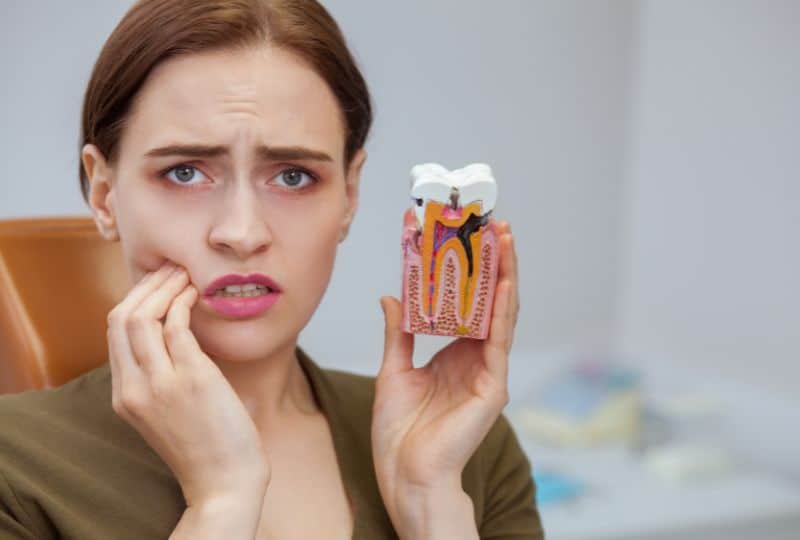
Dental emergencies can strike at any time, causing pain and discomfort that requires immediate attention. Knowing how to handle dental emergencies is crucial to providing quick and effective care. In this guide, we’ll explore common dental emergencies, their causes, and the essential steps to take for prompt relief and effective management.
Recognizing Dental Emergencies
Severe Toothache
A sudden and intense toothache is a common dental emergency that various issues, such as dental decay, infection, or a damaged tooth can cause. If you experience a persistent, throbbing toothache, it’s essential to seek professional help promptly.
Knocked-Out Tooth
Accidents or injuries can result in a knocked-out tooth, requiring immediate action to maximize the chances of successful re-implantation. Quick response is crucial in preserving the tooth and preventing further complications.
Broken or Chipped Tooth
A broken or chipped tooth can be painful and compromise oral function. Understanding how to handle this situation can prevent infection and further damage to the affected tooth.
Lost Filling or Crown
A lost filling or crown can expose sensitive tooth tissue and lead to discomfort. Knowing what to do when faced with this dental emergency can provide temporary relief until professional care is obtained.
Abscessed Tooth
An abscessed tooth is a serious condition characterized by an infection at the tooth’s root. Recognizing the signs of a dental abscess and seeking immediate attention is vital to prevent the infection from spreading.
Prevention and Preparedness
Regular Dental Check-Ups
Scheduling regular dental check-ups allows your dentist to identify and address potential issues before they escalate into emergencies. Prevention through routine examinations and cleanings is key to maintaining oral health.
Oral Hygiene Practices
Maintaining good oral hygiene practices, such as regular brushing, flossing, and using an antiseptic mouthwash, can significantly reduce the risk of dental emergencies. These practices help prevent cavities, infections, and other oral issues.
Protective Gear
For individuals participating in contact sports or activities with a risk of dental trauma, wearing appropriate protective gear, such as mouthguards, can prevent injuries and emergencies. Investing in protective equipment is a proactive step towards safeguarding oral health.
Conclusion
Handling dental emergencies requires a combination of quick action and knowing the right steps to take. By recognizing the signs of common dental emergencies and following the immediate care guidelines provided, individuals can mitigate pain and prevent further complications. Additionally, prioritizing preventive measures through regular dental check-ups, oral hygiene practices, and protective gear can contribute to a healthier, emergency-free oral environment. Remember, swift response and professional intervention are crucial in managing dental emergencies effectively.