
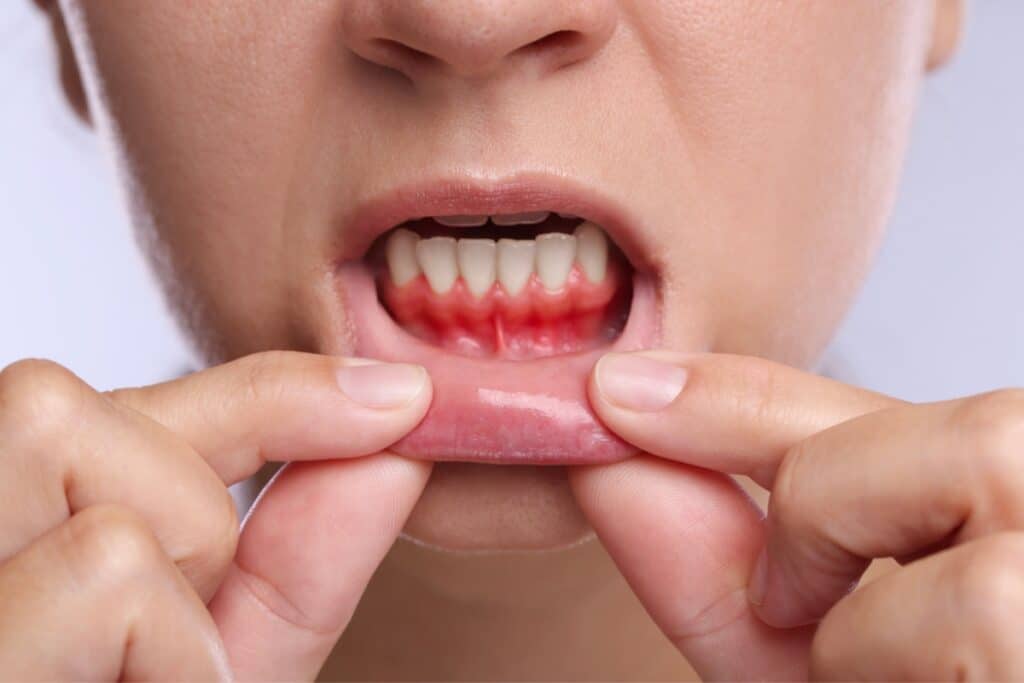
Nobody wants to deal with the throbbing pain of an abscessed tooth. A dental abscess develops when bacteria cause an infection inside a tooth or in the surrounding gum tissue. As the infection progresses, pus can build up and lead to pain, swelling, tenderness, and other uncomfortable symptoms.
The good news is that you can take several practical steps to lower your chances of developing an abscess. While accidents and certain dental conditions cannot always be avoided, everyday habits can make a real difference. Taking care of your teeth, keeping your gums healthy, and dealing with dental concerns early can help prevent a minor problem from turning into a painful infection.
Why Does a Tooth Abscess Develop?
A tooth abscess usually starts with bacteria getting into an area where they should not be. For example, a cavity that continues to grow can eventually reach the inner part of the tooth. Once bacteria reach the pulp, the tissue containing nerves and blood vessels, an infection can develop.
A damaged tooth can have a similar problem. A crack or fracture may create an opening through which bacteria can travel deeper into the tooth. In other cases, an infection may develop around the tooth because of advanced gum disease.
This is why taking care of small dental problems matters. A cavity that does not hurt today can become much more serious later.
Make Brushing Part of Your Daily Routine
Brushing your teeth is one of the easiest ways to keep harmful bacteria and plaque under control. Brush at least twice a day with fluoride toothpaste, particularly in the morning and before going to bed.
Instead of brushing aggressively, use gentle movements and pay attention to every surface of your teeth. Don’t forget the areas near your gumline, where plaque can accumulate.
A clean mouth does not just mean fresher breath. Consistent brushing helps protect your enamel and lowers the chance of developing cavities that could eventually contribute to an infection.
Don’t Forget to Floss
Food and plaque can become trapped between teeth even when your brushing routine is excellent. Unfortunately, these areas are easy to overlook.
Flossing once a day helps clean between the teeth and along the gumline. It can also help keep your gums healthier by removing buildup that may otherwise remain in hard-to-reach spaces.
If traditional floss is difficult for you, there is no need to give up. Talk to your dentist about options such as interdental cleaners or water flossers that may work better for your routine.
Keep Your Dental Visits on Schedule
Some dental problems are easy to spot, but others can develop quietly. You may have early tooth decay or gum disease without experiencing any obvious pain.
Routine dental visits give your dentist an opportunity to look for these concerns before they become bigger problems. Professional cleanings can also remove buildup that regular brushing cannot completely eliminate.
If you’re searching for a dentist near me, consider choosing a dental office where you can comfortably maintain regular appointments. Consistency is one of the most useful parts of preventive dental care.
Don’t Wait Until a Tooth Hurts
One of the biggest mistakes people make is waiting for pain before seeking dental care. Unfortunately, pain can mean that a dental problem has already progressed.
A cavity, chipped tooth, worn filling, or unusual sensitivity deserves attention even when the discomfort seems manageable. Treating a problem early may help prevent bacteria from reaching deeper parts of the tooth.
If something feels different from normal, let your dentist know. It is better to have a minor concern checked than to deal with a serious infection later.
Protect Your Teeth From Damage
Your teeth can take a lot of pressure, but they are not indestructible. A fall, sports injury, or accidental blow to the mouth can cause a crack or chip that allows bacteria to enter the tooth.
If you play contact sports, wear a properly fitted mouthguard. If you frequently grind or clench your teeth, discuss it with your dentist. Protecting your teeth from unnecessary stress can help preserve their structure.
Pay Attention to What You Eat and Drink
Your diet also plays a role in your dental health. Frequently sipping sugary drinks or snacking on sweets throughout the day can increase your risk of cavities.
You do not have to completely avoid every treat. Instead, try to limit how often your teeth are exposed to sugar and choose nutritious foods more often. Cheese, yogurt, vegetables, fruits, lean proteins, and plenty of water can all fit into a tooth-friendly diet.
Drinking water after meals can also help clear away food particles and keep your mouth feeling fresh.
Avoid Smoking and Tobacco
Tobacco use can make it harder to maintain healthy gums and may increase the risk of oral health problems. It can also interfere with the body’s ability to heal properly.
If you smoke or use tobacco, quitting can benefit your mouth as well as your overall health. If quitting feels difficult, speak with a healthcare professional about available support.
How Do You Know If You Might Have an Abscess?
An abscess does not always look the same from one person to another. Some people experience intense tooth pain, while others notice swelling or tenderness first.
Possible warning signs include:
- Persistent or severe toothache
- Swollen or tender gums
- Pain when biting or chewing
- Sensitivity to hot or cold
- Swelling around the jaw or face
- A bad taste in your mouth
- A pimple-like bump on the gums
- Fever or feeling generally unwell
If you notice these symptoms, arrange a dental evaluation as soon as possible. Significant facial swelling, fever, or difficulty breathing or swallowing should be evaluated promptly because the infection may be spreading.
What Happens If You Have a Tooth Abscess?
Treatment depends on what caused the infection and the condition of the affected tooth. If the tooth can be preserved, root canal treatment may be used to remove the infected tissue and seal the tooth.
Sometimes a tooth is too damaged to save, making extraction the appropriate option. Antibiotics may also be used in certain situations, especially when there are signs of spreading infection. However, medication alone does not remove the source of a dental infection, so appropriate dental treatment is still important.
The sooner an abscess is evaluated, the sooner your dentist can determine the best way to address it.
Take Steps to Protect Your Smile
An abscessed tooth may begin with something that seems small, such as a cavity, crack, or gum problem. Taking care of those concerns early can make a significant difference. Brush and floss consistently, choose tooth-friendly foods, protect your teeth from injuries, avoid tobacco, and keep up with regular dental visits.
North Salt Lake Dental offers preventive and restorative dental care to help patients maintain healthy smiles and address dental concerns before they become more complicated. If you are experiencing tooth pain, swelling, sensitivity, or other changes in your mouth, schedule an appointment today.
Frequently Asked Questions
Can an abscessed tooth be prevented?
Many abscesses can be avoided by preventing cavities and gum disease, protecting teeth from injury, and treating dental problems early. However, prevention cannot eliminate every possible cause.
Can brushing twice a day prevent an abscess?
Regular brushing helps reduce plaque and lowers the risk of cavities and gum disease. Use fluoride toothpaste and combine brushing with daily flossing for more complete oral care.
Can a cavity turn into an abscess?
Yes. When a cavity is left untreated, decay can move deeper into the tooth. If bacteria reach the pulp, the resulting infection can eventually form an abscess.
Should I see a dentist if my tooth stops hurting after an abscess drains?
Yes. A decrease in pain does not necessarily mean the infection is gone. An abscess that drains may still leave infection behind, so professional treatment is important.
How often should I have a dental checkup?
The ideal schedule varies from person to person. Your dentist can recommend how often you need examinations and cleanings based on your oral health, dental history, and risk factors.
Is a tooth abscess considered serious?
It can be. Dental infections may spread beyond the original area when they are not treated. Seeking dental care promptly can reduce the risk of complications.