
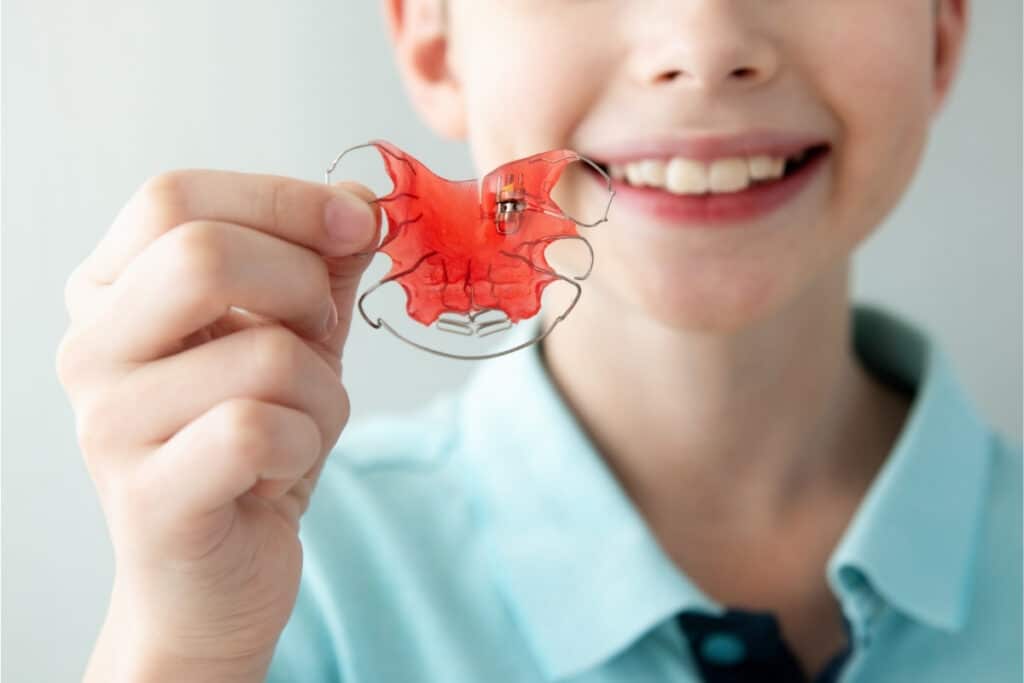
Finishing Invisalign is an exciting moment. After months of wearing clear aligners and watching your teeth gradually move into place, you finally get to enjoy the smile you worked toward. But there is one important part of treatment that does not end with your last aligner.
Retainers after Invisalign help keep your teeth where they belong. Without consistent retention, teeth can gradually move again because the tissues and bone around them continue to adapt. That is why the months and years after Invisalign are an important part of protecting your results.
For patients in North Salt Lake, UT, understanding what to expect from retainers can make maintaining a straight, healthy smile much easier.
Why Are Retainers Needed After Invisalign?
Invisalign moves teeth by applying gentle, controlled pressure. Once treatment ends, the surrounding tissues need time to adjust to the teeth’s new positions.
Teeth can also naturally shift throughout adulthood. According to the American Association of Orthodontists (AAO), retainers help maintain tooth alignment and support the teeth while the surrounding bone remodels after orthodontic treatment.
In simple terms, Invisalign moves your teeth; your retainer helps keep them there.
The American Dental Association also recognizes a retainer period as part of orthodontic treatment.
Wearing Retainers After Invisalign
Your retainer schedule should be based on your individual treatment plan. Some patients may initially need more frequent wear before transitioning to nighttime use. Others may have different instructions depending on their previous tooth movement and bite.
The important thing is consistency.
The AAO notes that long-term retainer use is commonly recommended because teeth continue to change over time. For many patients, this eventually means wearing a retainer at night on an ongoing basis.
Think of wearing your retainer as part of your normal bedtime routine rather than another major dental task.
What If You Forget Your Retainer?
Missing one night does not necessarily undo your Invisalign results. The bigger concern is making a habit of skipping retention.
If your retainer begins to feel unusually tight, your teeth may have shifted slightly. If it is painful or will not fit properly, do not force it. Contact your dental professional so the fit can be checked.
Types of Retainers After Invisalign
There are several types of retainers, and your dentist or orthodontic provider can recommend the option that fits your needs.
Removable Dental Retainers
Clear removable retainers are popular because they are discreet and can be taken out for meals and cleaning. They look somewhat like Invisalign aligners but are designed specifically to hold your teeth in their post-treatment positions.
The main challenge is remembering to wear them consistently.
Fixed Retainers
A fixed retainer is a thin wire bonded to the back of selected teeth. Because it remains attached, you do not have to remember to put it in each night.
However, cleaning around the wire requires extra attention. Flossing and regular dental visits remain important.
Retainer Care: Keep It Clean and Protected
Good retainer care can help your appliance last longer and keep it comfortable.
For removable retainers:
- Clean them regularly using a soft toothbrush and water.
- Follow your dental professional’s instructions for cleaning products.
- Keep them in their case when you are not wearing them.
- Keep them away from pets and heat.
- Avoid hot water, which can distort some retainers.
The AAO recommends storing removable retainers in their cases and keeping them away from heat because damaged or misshapen retainers may no longer fit correctly.
These simple habits are an important part of dental retainer maintenance.
Maintaining Straight Teeth After Invisalign in North Salt Lake
Maintaining straight teeth after Invisalign is not about checking one box and forgetting about it. It is an ongoing part of your oral health routine.
Regular dental checkups give your dental team an opportunity to monitor your teeth, gums, bite, and retainer. If your retainer becomes damaged or your teeth begin to shift, addressing the issue early may help prevent more extensive correction later.
For people in North Salt Lake, having a familiar local dental office can make Invisalign post-treatment care more convenient. If you are searching for a dentist near me for routine dental care or questions about your retainer, North Salt Lake Dental can help you stay on track with your long-term smile maintenance.
What Does the Orthodontic Retention Period Look Like?
There is no universal retention schedule. Your provider may recommend more frequent wear immediately after Invisalign and gradually move you toward nighttime use.
What the data and current orthodontic guidance consistently show is that tooth movement does not simply stop once aligners are finished. The AAO recommends continued retainer use to reduce unwanted movement, with long-term retention often necessary.
That makes retention less of a temporary phase and more of a maintenance habit.
Protect the Smile You Worked For
Completing Invisalign is a milestone, but your smile still needs support after treatment. Consistent retainer use, proper retainer care, good oral hygiene, and regular dental visits can help protect your results.
If you live in North Salt Lake, UT, and have questions about wearing retainers after Invisalign or maintaining your smile after treatment, North Salt Lake Dental can help you understand your options.
Schedule an appointment to discuss your retainer and long-term smile care.
Frequently Asked Questions
How long do I need to wear retainers after Invisalign?
It depends on your treatment and how your teeth respond. Many patients eventually wear their retainers at night long term. Follow the schedule provided by your dental professional.
Can I stop wearing my retainer after a few years?
Stopping completely can allow your teeth to shift. Teeth naturally change throughout life, so ongoing retention is generally recommended.
How often should I clean my retainer?
Clean removable retainers regularly, ideally as part of your daily oral care routine. Follow your provider’s specific instructions for deeper cleaning.
What if my retainer no longer fits?
Do not force a retainer that is painful or does not fit. Contact your dentist or orthodontic provider so they can determine whether the retainer needs adjustment or replacement.
Do retainers need to be replaced?
Yes. Retainers can last for years with proper care, but they can eventually wear out, become damaged, or stop fitting correctly.