
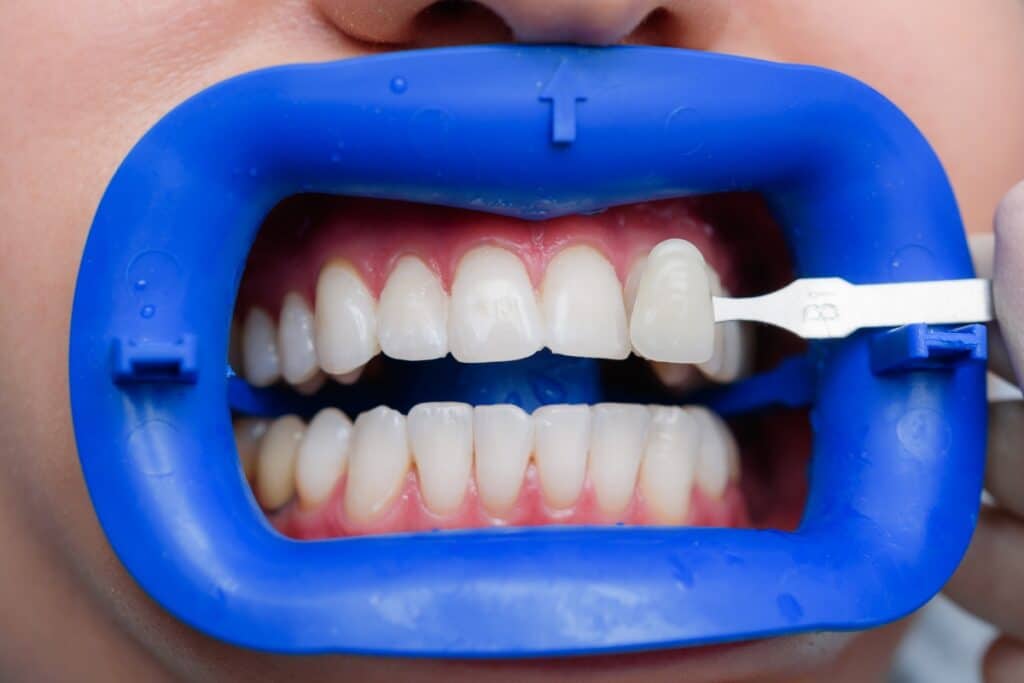
A new smile can feel like a fresh start. Porcelain veneers can hide stubborn stains, small chips, uneven edges, and other cosmetic concerns, giving your teeth a more even and natural appearance. But once your veneers are in place, taking care of them should become part of your everyday routine.
Although porcelain is strong, veneers are not indestructible. Everyday habits that seem harmless can put unnecessary stress on them. The good news is that most veneer problems can be avoided with a little awareness and consistent dental care.
If you have dental veneers in North Salt Lake, knowing what not to do can be just as important as knowing how to brush and floss. Simple changes in your daily routine can help protect your veneers and keep your smile looking great.
Why Do Veneers Need Special Care?
Veneers are bonded to the front of your teeth and are designed to handle normal eating and speaking. However, they still depend on healthy teeth, gums, and a stable bite for long-term success.
Your veneers themselves cannot develop cavities, but the natural tooth underneath them can. Gum disease, teeth grinding, poor oral hygiene, and excessive biting forces can also affect the area around a veneer.
For patients looking for a North Salt Lake dentist, regular dental visits are an important part of protecting both cosmetic restorations and natural teeth.
Common Mistakes That Can Damage Your Veneers
Brushing Too Hard
More pressure does not necessarily mean cleaner teeth. Scrubbing aggressively with a firm toothbrush can irritate your gums and contribute to unnecessary wear.
Instead, use a soft-bristled toothbrush and gentle circular motions. The goal is to remove plaque without being rough on your teeth or gums.
Choosing an Abrasive Toothpaste
Some toothpastes, especially certain whitening formulas, can be quite abrasive. Using harsh products regularly may affect the smooth surface of dental restorations.
Ask your dentist about a gentle toothpaste that is appropriate for your veneers. You can still keep your teeth clean without relying on an overly abrasive formula.
Chewing Ice
That cold crunch may be satisfying, but chewing ice can put a surprising amount of force on your teeth. Veneers can chip or crack when exposed to repeated stress from hard objects.
If you enjoy ice in your drinks, let it melt instead of chewing it.
Using Your Teeth to Open Things
Your teeth are not bottle openers, scissors, or package cutters. Using them to tear wrappers or open containers can put concentrated pressure on a veneer.
It only takes one awkward bite to damage a restoration. Keep your teeth for eating and reach for the appropriate tool when you need to open something.
Ignoring Teeth Grinding
Do you wake up with a sore jaw or notice that you clench your teeth during stressful moments? Grinding, also called bruxism, can put considerable pressure on veneers.
If you grind your teeth while sleeping, talk with your dentist. A custom nightguard may help reduce the force placed on your teeth and protect your smile.
Flossing Too Roughly
Flossing is important, but being aggressive is not. Snapping floss against your gums or forcing it between tight spaces can cause irritation.
Gently guide the floss between your teeth and curve it around each tooth. If you are unsure how to floss around your veneers, ask your dental team to show you the best technique.
Skipping Dental Checkups
It is easy to assume that your veneers mean you no longer have to worry about dental problems. Unfortunately, that is not the case.
Your natural teeth can still develop cavities, and your gums can still become inflamed. Regular checkups allow your dentist to monitor your veneers while looking for early signs of other oral health concerns.
Smoking and Tobacco Use
Porcelain is naturally resistant to many stains, but your smile is more than the porcelain itself. Tobacco can discolor the natural teeth around your veneers and contribute to gum problems.
Avoiding tobacco can help support healthier gums and a cleaner-looking smile.
Biting Hard Foods Carelessly
You do not necessarily have to give up all your favorite foods after getting veneers. However, be cautious with foods that are extremely hard or require forceful biting.
Cut hard foods into smaller pieces when possible, and avoid repeatedly putting excessive pressure on your front teeth.
Ignoring a Loose or Chipped Veneer
A small change in your veneer may be easy to overlook, especially if it does not hurt. But a rough edge, crack, looseness, or sudden sensitivity deserves attention.
Do not try to glue a veneer back into place yourself. Contact your dentist so the restoration can be properly examined and treated.
Simple Ways to Keep Your Veneers Looking Their Best
Veneer care is mostly about consistency. Keep these habits in your routine:
- Brush twice a day with a soft-bristled toothbrush.
- Floss or clean between your teeth every day.
- Choose gentle dental products.
- Avoid chewing ice and other hard objects.
- Never use your teeth as tools.
- Protect your teeth if you grind or clench.
- Keep regular dental cleanings and examinations.
- Pay attention to changes in your bite, gums, or veneers.
- Avoid tobacco products.
What Are the Warning Signs of Veneer Damage?
Your veneers may need professional attention if you notice:
- A chip or visible crack
- A rough or sharp area
- A veneer that feels loose
- New sensitivity
- A change in your bite
- Irritated or swollen gums
- A noticeable change around the veneer’s edge
Not every change means your veneer has failed, but it is better to have a concern checked early than to wait for it to become worse.
Protect Your Investment in Your Smile
Veneers can make a dramatic difference in your smile, but keeping them in good shape comes down to everyday choices. Gentle brushing, careful eating, good flossing habits, and regular dental visits can all help protect your results.
At North Salt Lake Dental, we can help you care for your veneers and maintain the health of the natural teeth and gums around them.
Schedule an appointment today to discuss your veneer care or cosmetic dental needs.
Frequently Asked Questions
Can I brush normally after getting veneers?
Yes. Continue brushing twice a day, but use a soft toothbrush and gentle pressure. Your dentist may also recommend specific products based on your oral health.
Can I eat normally with porcelain veneers?
Generally, yes. Veneers are made for normal daily function. However, avoid chewing ice, biting hard objects, and using your front teeth to break extremely hard foods.
Can whitening toothpaste damage veneers?
Some whitening toothpastes can be abrasive. Since porcelain does not whiten like natural enamel, choosing a gentle toothpaste is usually a better approach. Ask your dentist which product is right for you.
Does grinding damage veneers?
It can. Frequent clenching or grinding places additional stress on veneers and natural teeth. If you grind at night, your dentist may recommend a protective nightguard.
How often should I visit the dentist after getting veneers?
Keep your regular dental examinations and cleanings. Your dentist can recommend a schedule based on your oral health and monitor the condition of your veneers over time.
What should I do if my veneer becomes loose?
Contact your dentist as soon as possible. Avoid chewing on that side and do not attempt to reattach the veneer yourself.