
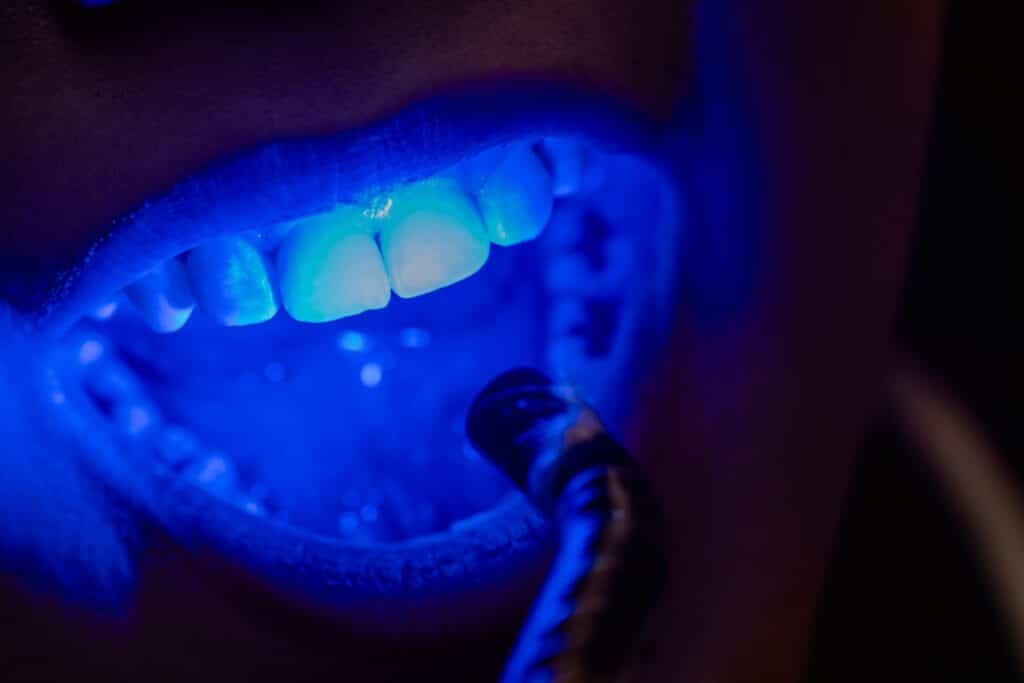
If you have ever heard someone talk about getting a cavity filled, you may have immediately pictured a dental chair, a noisy drill, and a painful experience. That reaction is understandable, especially if you have had an unpleasant dental visit in the past.
The good news is that getting a dental filling is usually far more comfortable than many people expect. Modern dentistry has made it possible to treat cavities while keeping patients comfortable throughout the procedure. In fact, putting off treatment because of fear may create a bigger problem later.
So, what does a filling really feel like? And should you expect pain afterward? Let’s take a closer look.
What Happens When You Get a Dental Filling?
A filling is used when tooth decay has created a cavity. Rather than allowing the damaged area to continue spreading, your dentist removes the unhealthy tooth structure and prepares the remaining tooth for restoration.
The dentist then places a filling material into the prepared area. Once the material is shaped and secured, the tooth can function normally again.
Several materials may be used for fillings. Composite resin is popular because it can be closely matched to the color of your teeth. Other choices, such as ceramic, amalgam, or gold, may be recommended depending on where the cavity is located and how much strength the restoration needs.
Your dentist will explain which option is appropriate for your tooth before treatment begins.
So, Does a Filling Actually Hurt?
For most patients, a filling should not be painful during the procedure.
Before working on the tooth, the dentist will generally numb the area with a local anesthetic. You might feel a quick pinch when the anesthetic is given, followed by pressure or a strange sensation as the area becomes numb.
Once the tooth is numb, you may hear the dental instruments and feel some vibration. You should not, however, feel the sharp pain associated with the cavity itself.
If something feels uncomfortable, speak up. There is no reason to quietly tolerate pain during treatment. Your dentist can check the area and provide additional numbing if necessary.
Common Misunderstandings About Filling Pain
“The Drill Will Definitely Hurt.”
The sound of a dental drill can be more frightening than the sensation itself. The instrument is used to remove the decayed portion of the tooth, but local anesthesia helps prevent pain while this is happening.
You may notice vibration or pressure. That’s normal. Sharp pain is not something you should simply accept.
“I Will Be in Pain for Days Afterward.”
Not necessarily. Some people experience temporary tenderness or sensitivity after a filling, while others notice very little difference once the numbness disappears.
A newly restored tooth can take a little time to settle. Sensitivity to cold drinks or hot foods may occur for a short period, particularly when the cavity was relatively deep.
If the discomfort gradually improves, there is usually no reason to panic. However, persistent or worsening pain should be checked by your dentist.
“A Cavity Isn’t a Problem If It Doesn’t Hurt.”
This is one of the easiest dental myths to believe.
Cavities do not always announce themselves with pain. Decay can develop quietly until it reaches a deeper part of the tooth. By the time a tooth starts hurting, the problem may be more advanced.
That is why regular dental examinations matter. Finding decay early can give you the opportunity to treat it before it causes significant discomfort.
“Getting a Filling Is Worse Than Leaving the Cavity Alone.”
Avoiding treatment may feel easier in the short term, but decay does not usually stop on its own. As the damaged area becomes larger, the tooth can become weaker and more difficult to restore.
In more advanced situations, treatment may involve a larger restoration, root canal therapy, or extraction. Treating a smaller cavity early is generally a much simpler approach.
What Will My Mouth Feel Like After Treatment?
Immediately after your appointment, the biggest thing you may notice is numbness. Your lip, cheek, tongue, or the area around the treated tooth can remain numb for a few hours.
Be careful with food and drinks until the sensation returns. It is surprisingly easy to bite your cheek or tongue when you cannot feel it properly.
Once the anesthetic wears off, the tooth may feel slightly different. You could experience mild sensitivity when drinking something cold or biting down. This often improves on its own.
If the tooth feels like it hits first whenever you close your mouth, tell your dentist. Sometimes a filling simply needs a small adjustment to make your bite feel comfortable again.
When Is Post-Filling Pain a Reason to Call the Dentist?
Not every sensation after a filling means something is wrong. Still, certain symptoms deserve attention.
Get in touch with your dental office if you notice:
- Pain that becomes stronger instead of better
- Significant discomfort every time you bite
- Sensitivity that continues without improvement
- Swelling near the treated tooth
- A filling that feels loose or has broken
- Persistent throbbing or severe pain
Your dentist can determine what is causing the problem and recommend the appropriate next step.
Why Treating Cavities Early Makes Sense
It is easy to postpone a dental appointment when a tooth does not hurt. Unfortunately, waiting can give decay more time to progress.
For people searching for a dentist in North Salt Lake, early cavity treatment can help preserve more of the natural tooth. A filling can restore the damaged area while helping the tooth return to normal use.
At North Salt Lake Dental, patients can discuss their concerns before treatment begins. If dental visits make you nervous, tell your dental team. Questions about the procedure, anesthesia, or what you will feel during treatment are completely reasonable.
How to Look After a Filled Tooth
A filling does not mean you can forget about the tooth afterward. The tooth can still develop decay around the restoration if oral hygiene is neglected.
Keep your restored tooth in good shape by:
- Brushing twice a day with fluoride toothpaste.
- Cleaning between your teeth every day.
- Drinking water regularly and limiting sugary beverages.
- Cutting back on frequent snacking throughout the day.
- Avoiding chewing ice, pens, or other hard objects.
- Keeping your routine dental examinations.
Taking care of your teeth also helps protect the natural structure surrounding the filling.
The Bottom Line
Dental fillings have a reputation for being uncomfortable, but the reality is usually much less intimidating. With proper numbing and modern dental techniques, most patients can get through a routine filling without significant pain.
More importantly, treating a cavity sooner rather than later can help protect your natural tooth and reduce the chance of needing more complicated treatment in the future.
If you have noticed a sensitive spot, a rough area on a tooth, or simply haven’t had a dental examination recently, don’t wait for pain to force you into action. Schedule an appointment with North Salt Lake Dental today and give your smile the attention it deserves.
Frequently Asked Questions About Dental Fillings
Is getting a cavity filled painful?
Most people do not experience significant pain during a filling because the area is numbed first. You may notice pressure or vibration while the dentist works.
Does the numbing injection hurt?
You may feel a brief pinch or pressure when the anesthetic is administered. The sensation is generally short-lived, and the area becomes numb soon afterward.
How long will my tooth be sensitive after a filling?
Sensitivity can last for several days in some cases. It should generally become less noticeable over time. Contact your dentist if it persists, becomes severe, or gets worse.
Can I eat normally after getting a filling?
It is best to wait until your mouth is no longer numb before eating. This reduces the chance of accidentally biting your cheek, lip, or tongue.
Why does my filled tooth hurt when I bite?
A tooth can sometimes feel uncomfortable when biting after a filling. If the sensation continues, your dentist can examine the restoration and determine whether an adjustment or further treatment is needed.
What happens if I delay getting a filling?
Decay can continue progressing through the tooth. A problem that could initially be handled with a simple filling may eventually require more extensive treatment if left alone.
Can cavities be prevented after getting a filling?
You cannot guarantee that you will never develop another cavity, but good brushing, daily interdental cleaning, fluoride use, a balanced diet, and regular dental visits can significantly support your oral health.