
Being diagnosed with diabetes changes how you think about your health. Every decision—from what you eat to how you manage daily stress—feels more intentional. When tooth loss enters the conversation, many people quietly wonder whether dental implants are even an option anymore.
It’s common to hesitate. You may worry about healing, infections, or whether your body can handle oral surgery. For patients in North Salt Lake, UT, these concerns often come up during searches for a dentist near me, especially when comfort and long-term health matter just as much as appearance.
The truth is, dental implants and diabetes are not automatically incompatible. With the right planning and medical awareness, many people with diabetes successfully restore their smiles using implants.
Dental Implants and Diabetes: What Really Matters
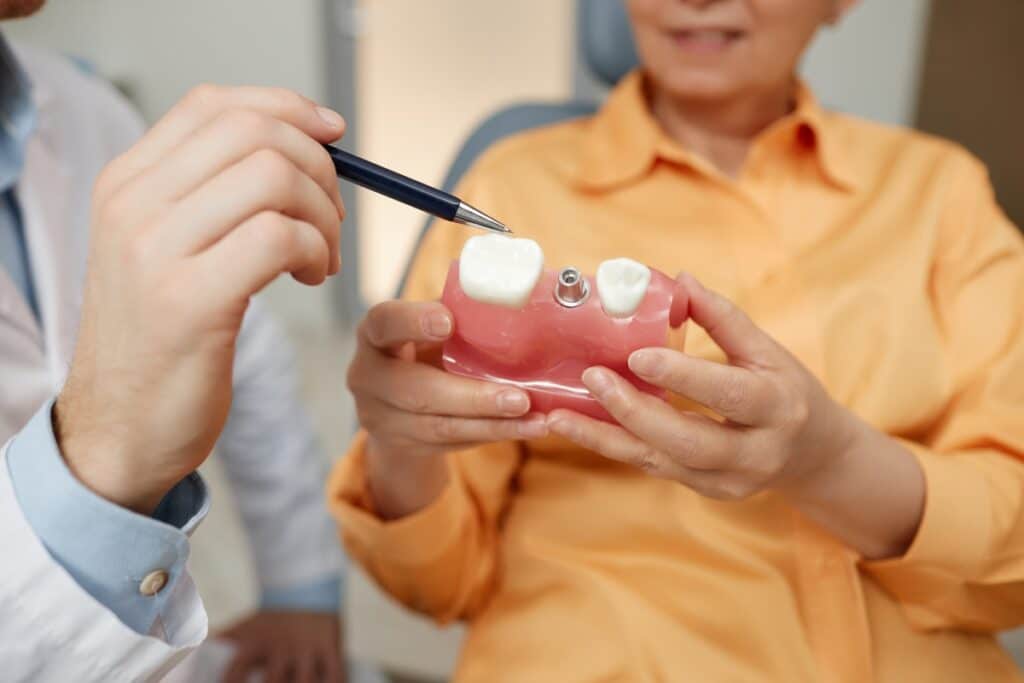
Dental implants replace missing teeth by placing a titanium post into the jawbone, which then supports a crown or restoration. The process depends heavily on the body’s ability to heal and maintain healthy bone and gum tissue.
When discussing dental implants and diabetes, the focus shifts from the condition itself to how well it’s managed. Diabetes can influence circulation, immune response, and inflammation levels—all of which play a role in implant success.
This is why dentists carefully review medical considerations before recommending treatment. It’s not about exclusion—it’s about preparation.
How Diabetes Affects the Healing Process
Blood Sugar Control and Surgical Recovery
One of the biggest factors influencing implant success is blood sugar control. Elevated glucose levels can slow healing and increase the risk of infection after implant placement.
Research consistently shows that patients with well-controlled diabetes experience implant success rates comparable to non-diabetic patients. When blood sugar remains unstable, however, the healing process may take longer, and complications become more likely.
That’s why dentists often ask about recent A1C levels and may coordinate with your physician before moving forward.
Gum Health and Bone Stability
Healthy gums create the foundation for successful implants. Diabetes increases the risk of gum disease, which can weaken the tissue surrounding both natural teeth and implants.
Maintaining strong gum health before and after implant surgery reduces inflammation and supports long-term stability. This includes regular cleanings, proper brushing habits, and early treatment of any gum concerns.
Are Dental Implants an Option for People With Diabetes?
For many patients, the answer is yes—provided certain conditions are met.
Medical Considerations Dentists Look At
- Current blood sugar levels and consistency
- History of periodontal disease
- Bone density in the jaw
- Smoking or tobacco use
- Commitment to follow-up care
These medical considerations allow dentists to customize treatment rather than rely on a one-size-fits-all approach.
What the Data Shows About Implants and Diabetes
Clinical evidence offers reassurance. Long-term studies report implant success rates of 90% or higher in patients with controlled diabetes. The key difference between success and failure is rarely the diagnosis—it’s how closely overall health is managed.
The American Dental Association highlights the connection between oral health and systemic conditions, emphasizing personalized care for patients with diabetes.
Preparing for Dental Implant Treatment With Diabetes
Before Implant Placement
- Confirm stable blood sugar levels
- Treat any existing gum disease
- Maintain consistent oral hygiene
- Choose a dentist near you who understands diabetic care
After the Procedure
- Monitor blood sugar closely during healing
- Follow post-surgical instructions carefully
- Attend all follow-up visits
- Report prolonged swelling or discomfort early
These steps support smoother healing and reduce preventable complications.
Why Local Dental Care Makes a Difference in North Salt Lake, UT
Local care isn’t just about convenience. Dental teams serving North Salt Lake, UT often understand regional health trends, lifestyle factors, and seasonal changes that affect oral care routines.
Patients who rely on a trusted dentist near me benefit from continuity, communication, and timely intervention—especially important when managing diabetes alongside dental treatment.
Long-Term Implant Care for Patients With Diabetes
Dental implants require ongoing attention, particularly for patients managing chronic conditions. Long-term success depends on:
- Daily brushing and flossing
- Routine dental visits
- Stable blood sugar levels
- Ongoing gum health monitoring
When these habits become part of your routine, implants can remain stable and functional for many years.
Frequently Asked Questions
Can diabetes cause dental implant failure?
Poorly controlled diabetes increases the risk of infection and delayed healing, which can affect implant stability.
Does healing take longer for diabetic patients?
Healing may take slightly longer, but controlled blood sugar significantly reduces delays.
Are implants safer than dentures for diabetics?
Implants can support better chewing and bone preservation, but suitability depends on individual health factors.
How often should I see the dentist after getting implants?
Most patients benefit from visits every 3–6 months to monitor gum and implant health.
Final Thoughts
Living with diabetes doesn’t mean giving up on a healthy, confident smile. Dental implants and diabetes can coexist when treatment is planned carefully and supported by good daily habits.
If missing teeth are affecting your comfort or confidence, speaking with a trusted dentist near you can provide clarity and peace of mind. With the right guidance, you can make informed decisions—and when the time feels right, you can schedule an appointment to explore whether dental implants fit your long-term health goals.