
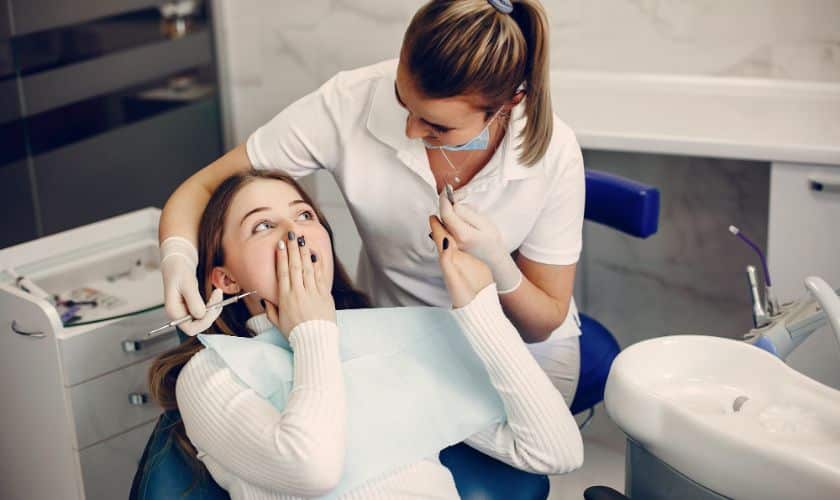
Dental emergencies can strike unexpectedly, causing pain and anxiety. Knowing how to handle these situations with confidence can make a significant difference in preserving your oral health and well-being. From sudden toothaches to knocked-out teeth, dental emergencies require urgent care and proper action. This guide will help you navigate dental emergencies with confidence, ensuring that you are prepared to handle urgent situations and protect your precious smile.
Understanding Common Dental Emergencies
Dental emergencies can encompass various situations, each requiring specific approaches for immediate relief and care. Common dental emergencies include severe toothaches, knocked-out or chipped teeth, lost fillings or crowns, and soft tissue injuries. Understanding the nature of the emergency is the first step toward effective management.
Immediate Steps for Dental Emergencies
- Toothaches: Rinse your mouth with warm water and gently floss around the affected tooth to remove any debris. Over-the-counter pain relievers can provide temporary relief. Avoid applying aspirin or any medication directly to the tooth, as it may damage the gum tissues.
- Knocked-Out Tooth: Hold the tooth by its crown (the visible part) and rinse it gently with water, avoiding scrubbing. If possible, reinsert the tooth into its socket and hold it in place using a clean cloth or gauze. If reinsertion is not possible, place the tooth in a container of milk or saline solution and seek immediate dental care.
- Chipped or Broken Tooth: Rinse your mouth with warm water and apply a cold compress to the affected area to reduce swelling. If you can find the broken piece of the tooth, keep it moist and take it to the dentist. Dental bonding or veneers can often repair chipped teeth.
- Lost Filling or Crown: If a filling or crown comes loose, clean the affected area and apply dental cement or sugar-free gum to temporarily hold it in place. Avoid using regular glue or household adhesives, as they can damage your teeth. Schedule an appointment with your dentist to have the filling or crown properly restored.
- Soft Tissue Injuries: Gently clean the injured area with warm water and apply pressure with a clean cloth or gauze to stop bleeding. If bleeding persists, visit the emergency room. Avoid taking aspirin, as it can increase bleeding.
The Importance of Prompt Dental Care
While immediate first aid can provide temporary relief, it is essential to seek professional dental care promptly after a dental emergency. Dental professionals have the expertise and equipment to assess the extent of the damage and provide appropriate treatment to prevent further complications.
Preventing Dental Emergencies
While accidents can happen, there are measures you can take to reduce the risk of dental emergencies:
- Wear a mouthguard when participating in sports activities.
- Avoid chewing on hard objects like ice or pencils.
- Maintain regular dental check-ups for early detection of potential issues.
- Practice good oral hygiene to prevent tooth decay and gum disease.
Conclusion: Confidence in Every Smile
Being prepared and knowing how to handle dental emergencies can instill confidence in every smile. By understanding the immediate steps to take and the importance of prompt professional care, you can navigate dental emergencies with assurance. Remember that dental professionals are here to help, providing the expertise needed to restore your smile and oral health. Stay prepared, act promptly, and protect your smile – the gateway to your confidence and well-being.