
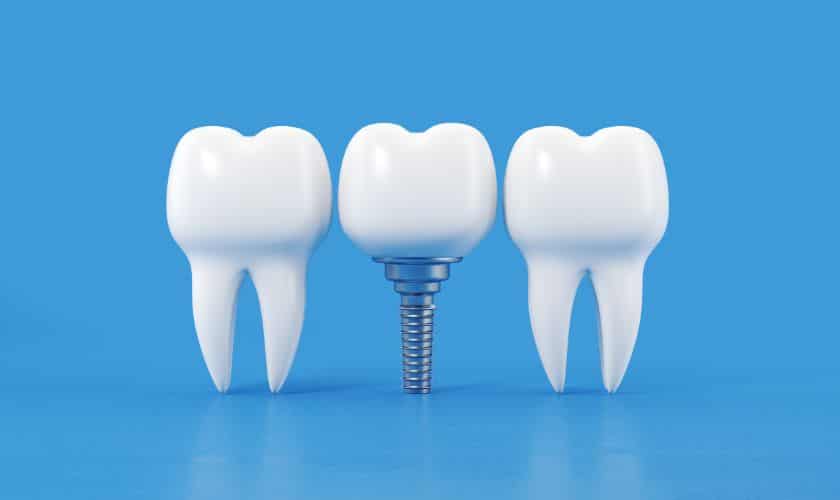
Dental implants have emerged as a revolutionary solution for individuals dealing with missing teeth or dental issues. These innovative devices offer a permanent and natural-looking alternative to traditional dentures and bridges. In this comprehensive guide, we’ll delve into the transformative world of dental implants, exploring their benefits, types, procedures, aftercare, and considerations to help you understand why they are considered the gold standard in tooth replacement.
Understanding Dental Implants
Dental implants are artificial tooth roots made of biocompatible materials such as titanium or ceramic, surgically implanted into the jawbone to support replacement teeth or dental prosthetics. They serve as a sturdy foundation for crowns, bridges, or dentures, providing stability and functionality similar to natural teeth.
Types of Dental Implants
There are various types of dental implants available, each designed to address specific dental needs and preferences:
Endosteal Implants: These are the most common type of dental implants, consisting of titanium posts surgically placed directly into the jawbone.
Subperiosteal Implants: These implants are placed on top of the jawbone but underneath the gum tissue, making them suitable for patients with insufficient bone density.
Allon4 Implants: This innovative technique involves anchoring a full arch of teeth to just four strategically placed implants, offering a permanent and stable solution for edentulous patients.
The Dental Implant Procedure
The dental implant procedure typically involves several steps, including:
- Initial Consultation: Your dentist will evaluate your oral health, discuss your treatment goals, and determine if you are a suitable candidate for dental implants.
- Implant Placement: During the surgical procedure, the implant fixture is surgically placed into the jawbone, where it will fuse with the bone through a process called osseointegration.
- Healing Period: It takes several months for the implant to fully integrate with the jawbone. During this time, temporary restorations may be placed to maintain aesthetics and function.
- Abutment Placement: Once the implant has healed, an abutment is attached to the implant fixture, connecting it to the prosthetic tooth or dental restoration.
- Crown Placement: The final step involves attaching the prosthetic tooth or restoration to the abutment and completing the dental implant restoration.
Benefits of Dental Implants
Dental implants offer numerous benefits compared to traditional tooth replacement options:
Improved Aesthetics: Dental implants closely mimic the look and feel of natural teeth, enhancing your smile and overall appearance.
Enhanced Functionality: With dental implants, you can enjoy restored bite strength and chewing ability, allowing you to eat your favorite foods with confidence.
Longevity: With proper care and maintenance, dental implants can last a lifetime, making them a cost-effective and durable solution for tooth replacement.
Preservation of Bone Health: Dental implants help preserve jawbone density and prevent bone loss, maintaining facial structure and preventing premature aging.
Considerations and Aftercare
While dental implants offer numerous benefits, there are some considerations and aftercare steps to keep in mind:
Oral Hygiene: Proper oral hygiene practices, including regular brushing, flossing, and dental checkups, are essential for maintaining the longevity of dental implants.
Avoiding Habits: Avoid habits such as smoking and teeth grinding, as they can compromise the success of dental implants and increase the risk of complications.
Regular Maintenance: Regular dental visits and professional cleanings are necessary to monitor the health of dental implants and address any issues promptly.
In conclusion, dental implants have transformed the field of dentistry, offering a permanent and natural-looking solution for missing teeth. With their numerous benefits, innovative techniques, and high success rates, dental implants continue to improve the quality of life for countless individuals worldwide. If you’re considering dental implants, consult with a qualified dental professional to determine the best treatment plan for your unique needs and regain your smile, confidence, and quality of life.