
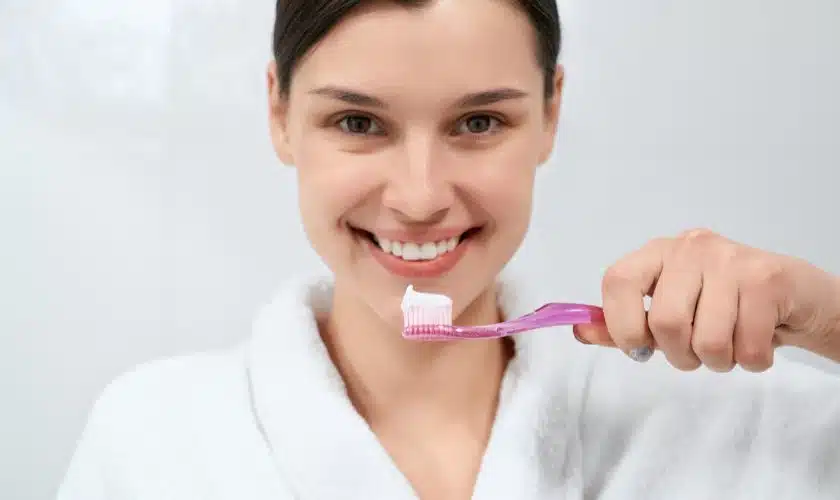
Welcome to our latest blog post, where we aim to shed some light on the importance of routine dental care! It’s time to ditch the fear and embrace a healthy smile with just a few simple steps. In this post, we’ll guide you through some easy yet effective ways to maintain your oral hygiene and keep those pearly whites shining bright. So get ready to say cheese and let’s dive in!
The Importance of Dental Care
As we all know, dental care is important for keeping our teeth and gums healthy. However, many people do not realize the importance of routine dental care in maintaining their overall health. Dental care is not only important for preventing cavities and gum disease but also for detecting early signs of other health problems. For example, oral cancer can be detected early through a routine dental exam.
Dental care is also important for preventing bad breath. Bad breath is often caused by poor oral hygiene, which allows bacteria to build up in the mouth. This can be avoided by brushing and flossing regularly, as well as by visiting the dentist for regular cleanings.
Regular dental care is essential for everyone, regardless of age or health status. By taking a few simple steps to keep your teeth and gums healthy, you can enjoy a lifetime of good oral health!
The Different Types of Dental Care
Most people think of dental care as simply brushing and flossing their teeth. However, there are a variety of different types of dental care that can help keep your smile looking its best. Here are a few different types of dental care:
1. Regular Brushing and Flossing: This is the most basic type of dental care, but it is also the most important. Be sure to brush your teeth at least twice a day and floss at least once a day. This will help remove plaque and bacteria from your teeth and gums and prevent cavities.
2. Mouthwash: Mouthwash can help rinse away plaque and bacteria that brushing and flossing miss. Be sure to use mouthwash that contains fluoride to help prevent cavities.
3. Dental sealants: Dental sealants are thin plastic coatings that are applied to the chewing surfaces of the back teeth. Sealants can protect teeth from cavities by sealing out food and bacteria.
4. Fluoride treatments: Fluoride helps strengthen tooth enamel and prevents cavities. Your dentist may recommend fluoride treatments if you have a history of cavities or live in an area with low levels of fluoride in the water supply.
5. Regular dental checkups: Seeing your dentist for regular checkups is important for maintaining good oral health. During a checkup, your dentist will clean your teeth, check for signs of tooth decay or other problems, and take necessary actions.
What method of dental care is best for you?
It is no secret that routine dental care is the key to a healthy and beautiful smile. However, with so many different products and methods available, it can be hard to know which one is right for you. Here is a guide to help you find the best method of dental care for your individual needs.
If you are looking for a quick and easy way to clean your teeth, then an electric toothbrush may be the best option for you. These toothbrushes do all the work for you, so all you have to do is sit back and relax while they do their job. Electric toothbrushes are also great for people who have arthritis or other conditions that make it difficult to brush their teeth manually.
If you prefer a more traditional approach to brushing your teeth, then a manual toothbrush is probably the best option for you. Manual toothbrushes require a little more effort on your part, but they are just as effective at cleaning your teeth as electric toothbrushes.
No matter which type of toothbrush you choose, be sure to use it correctly in order to get the most out of it. Be sure to brush all surfaces of your teeth, including the back teeth and tongue. Use gentle circular motions when brushing, and avoid scrubbing too hard as this can damage your gums. Spit out the toothpaste after brushing, and rinse your mouth with water afterwards.
In addition to brushing your teeth, it is also important to floss daily
How to take care of your teeth at home
It is important to take care of your teeth not only to have a beautiful smile but also for good oral health. Here are simple steps you can do at home to keep your teeth healthy and sparkling:
1. Brush your teeth at least twice a day with toothpaste that contains fluoride. Fluoride helps to prevent cavities by making the tooth enamel stronger.
2. Floss your teeth every day to remove plaque and food particles from between your teeth and around your gum line. Plaque is a sticky film of bacteria that can cause cavities, gum disease, and bad breath.
3. Rinse your mouth with water or mouthwash after eating or drinking sugary foods or beverages. This will help to remove any leftover sugar from your teeth and reduce the risk of cavities.
4. Visit your dentist regularly for professional cleanings and checkups. Your dentist can detect problems early and provide treatment to keep your teeth and gums healthy
Conclusion
Routine dental care is an important part of maintaining good oral health, and taking the few steps outlined in this article can help keep your smile looking its best. Brushing twice a day with fluoride toothpaste, flossing between teeth daily, and visiting your dentist for regular check-ups are all easy ways to make sure that you’re doing everything possible to take the best care of your teeth and gums. And don’t forget to reward yourself at the end by enjoying a healthy snack or treat!