
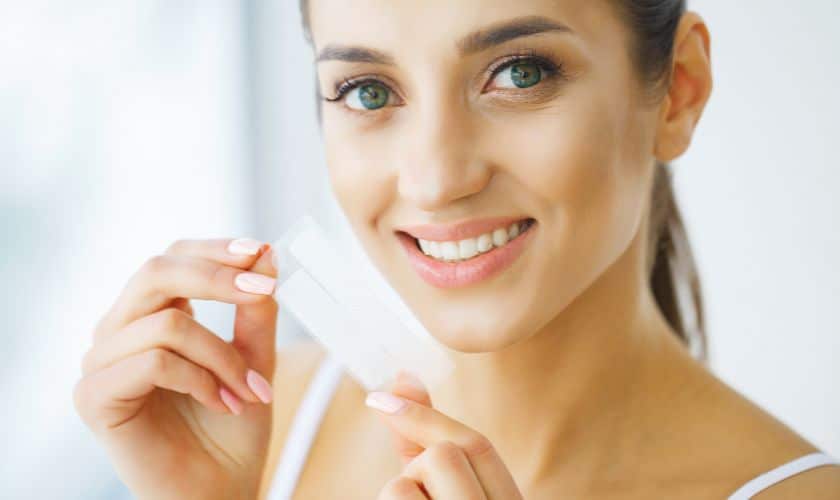
A dazzling smile is a universal symbol of confidence and good health. With the growing emphasis on self-care and appearance, teeth whitening has become a sought-after cosmetic dental procedure. From over-the-counter products to professional treatments, there’s a plethora of teeth whitening methods available. In this guide, we unveil the secrets behind effective teeth whitening methods that contribute to achieving that radiant smile.
Understanding Teeth Discoloration:
Before delving into teeth
A dazzling smile is a universal symbol of confidence and good health. With the growing emphasis on self-care and appearance, teeth whitening has become a sought-after cosmetic dental procedure. From over-the-counter products to professional treatments, there’s a plethora of teeth whitening methods available. In this guide, we unveil the secrets behind effective teeth whitening methods that contribute to achieving that radiant smile.
Understanding Teeth Discoloration:
Before delving into whitening methods, it’s essential to understand why teeth may become discolored. Common factors include:
- Staining Foods and Beverages: Coffee, tea, red wine, and certain fruits can contribute to teeth staining.
- Tobacco Use: Smoking or chewing tobacco can result in yellow or brown discoloration.
- Poor Oral Hygiene: Inadequate brushing and flossing may lead to surface stains and discoloration.
- Age and Genetics: As we age, tooth enamel naturally wears down, revealing the yellowish dentin underneath. Genetics also play a role in tooth color.
Secrets to Effective Teeth Whitening:
- Professional Dental Whitening: Professional teeth whitening at the dentist’s office is a highly effective and fast way to achieve noticeable results. Dentists use powerful bleaching agents and advanced technologies to whiten teeth safely. This method is suitable for individuals seeking immediate and professionally monitored results.
- Customized At-Home Whitening Trays: Dentist-prescribed at-home whitening trays provide a more personalized approach. Custom-fitted trays ensure even application of the whitening gel, maximizing effectiveness while minimizing the risk of irritation. This method combines professional guidance with the convenience of at-home use.
- Over-the-Counter Whitening Products: Various over-the-counter options, including whitening toothpaste, strips, and gels, are readily available. While these products may offer some improvement, their effectiveness can be limited compared to professional treatments. Consistency and adherence to instructions are crucial for optimal results.
- Oil Pulling: An age-old technique, oil pulling involves swishing oil (commonly coconut oil) in the mouth for 15-20 minutes. While it’s not a substitute for professional whitening, some claim oil pulling helps reduce bacteria and surface stains, contributing to a brighter smile.
- Activated Charcoal: Activated charcoal has gained popularity for its purported teeth-whitening properties. Its abrasive nature may help remove surface stains, but scientific evidence supporting its efficacy is limited. Caution is advised as excessive use can lead to enamel erosion.
- Maintain Good Oral Hygiene: Prevention is key to maintaining a bright smile. Regular brushing, flossing, and routine dental cleanings help prevent stains and discoloration. Good oral hygiene practices are essential for long-term teeth whitening success.
Cautions and Considerations:
- Sensitivity: Teeth whitening, especially with stronger agents, may lead to increased tooth sensitivity. Dentists can recommend desensitizing products or adjust treatment plans to manage this issue.
- Dental Health Assessment: Before undergoing teeth whitening, it’s crucial to have a dental health assessment. Existing dental issues such as cavities or gum disease should be addressed to ensure safe and effective whitening.
- Individual Results May Vary: The effectiveness of teeth whitening methods varies from person to person. Factors like the type and cause of discoloration, dental health, and adherence to post-whitening care influence results.
Conclusion: Unlocking Your Brightest Smile
A brighter, whiter smile is within reach for those seeking effective teeth whitening methods. Whether opting for professional in-office treatments or at-home solutions, understanding the secrets behind successful teeth whitening is the first step towards achieving a radiant and confident smile. Remember, consistency, good oral hygiene practices, and professional guidance contribute to long-lasting results that light up any room.
methods, it’s essential to understand why teeth may become discolored. Common factors include:
- Staining Foods and Beverages: Coffee, tea, red wine, and certain fruits can contribute to teeth staining.
- Tobacco Use: Smoking or chewing tobacco can result in yellow or brown discoloration.
- Poor Oral Hygiene: Inadequate brushing and flossing may lead to surface stains and discoloration.
- Age and Genetics: As we age, tooth enamel naturally wears down, revealing the yellowish dentin underneath. Genetics also play a role in tooth color.
Secrets to Effective Teeth Whitening:
- Professional Dental Whitening: Professional teeth whitening at the dentist’s office is a highly effective and fast way to achieve noticeable results. Dentists use powerful bleaching agents and advanced technologies to whiten teeth safely. This method is suitable for individuals seeking immediate and professionally monitored results.
- Customized At-Home Whitening Trays: Dentist-prescribed at-home whitening trays provide a more personalized approach. Custom-fitted trays ensure even application of the whitening gel, maximizing effectiveness while minimizing the risk of irritation. This method combines professional guidance with the convenience of at-home use.
- Over-the-Counter Whitening Products: Various over-the-counter options, including whitening toothpaste, strips, and gels, are readily available. While these products may offer some improvement, their effectiveness can be limited compared to professional treatments. Consistency and adherence to instructions are crucial for optimal results.
- Oil Pulling: An age-old technique, oil pulling involves swishing oil (commonly coconut oil) in the mouth for 15-20 minutes. While it’s not a substitute for professional whitening, some claim oil pulling helps reduce bacteria and surface stains, contributing to a brighter smile.
- Activated Charcoal: Activated charcoal has gained popularity for its purported teeth-whitening properties. Its abrasive nature may help remove surface stains, but scientific evidence supporting its efficacy is limited. Caution is advised as excessive use can lead to enamel erosion.
- Maintain Good Oral Hygiene: Prevention is key to maintaining a bright smile. Regular brushing, flossing, and routine dental cleanings help prevent stains and discoloration. Good oral hygiene practices are essential for long-term teeth whitening success.
Cautions and Considerations:
- Sensitivity: Teeth whitening, especially with stronger agents, may lead to increased tooth sensitivity. Dentists can recommend desensitizing products or adjust treatment plans to manage this issue.
- Dental Health Assessment: Before undergoing teeth whitening, it’s crucial to have a dental health assessment. Existing dental issues such as cavities or gum disease should be addressed to ensure safe and effective whitening.
- Individual Results May Vary: The effectiveness of teeth whitening methods varies from person to person. Factors like the type and cause of discoloration, dental health, and adherence to post-whitening care influence results.
Conclusion: Unlocking Your Brightest Smile
A brighter, whiter smile is within reach for those seeking effective teeth whitening methods. Whether opting for professional in-office treatments or at-home solutions, understanding the secrets behind successful teeth whitening is the first step towards achieving a radiant and confident smile. Remember, consistency, good oral hygiene practices, and professional guidance contribute to long-lasting results that light up any room.