
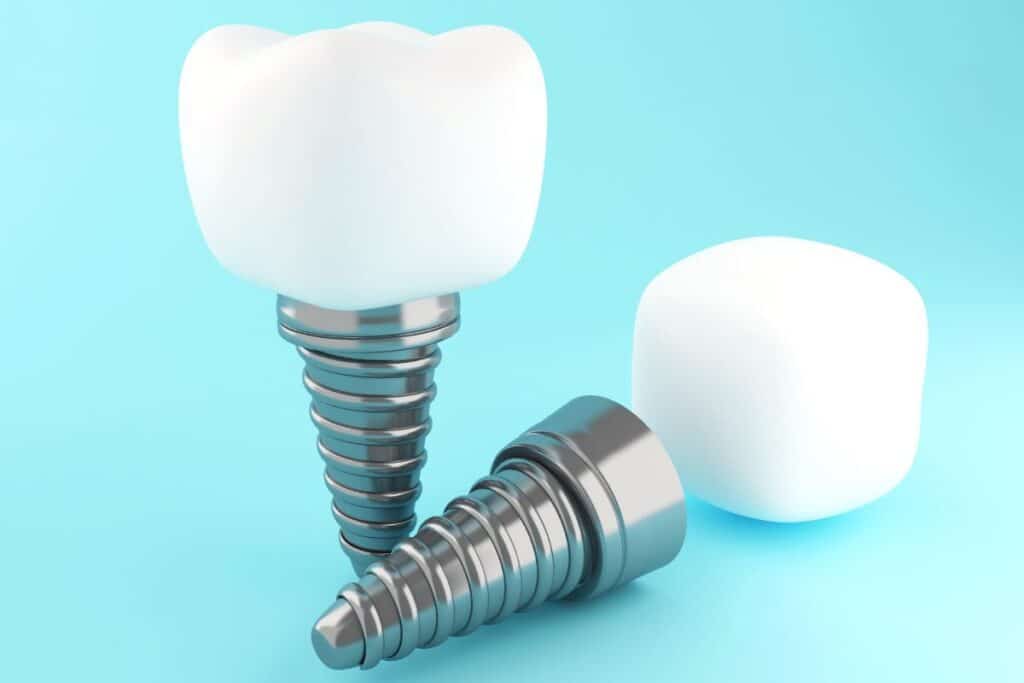
Dental implants are a long-lasting and reliable solution for replacing missing teeth, offering a natural look and feel. However, like any dental restoration, they are not entirely immune to damage. Whether it’s due to trauma, infection, or wear and tear, a damaged implant can be frustrating and uncomfortable. Understanding the potential risks and knowing how to handle these challenges can help ensure your dental implants in North Salt Lake remain in great condition for years to come.
Common Causes of Dental Implant Damage
While dental implants in North Salt Lake are designed to be strong and durable, certain factors can contribute to their damage. Here are some of the most common causes:
1. Poor Oral Hygiene
Even though implants themselves cannot develop cavities, the surrounding gum tissue is still vulnerable to infection. Without proper oral care, plaque buildup can lead to peri-implantitis—a condition similar to gum disease that can weaken the implant’s foundation.
2. Excessive Bite Pressure
People who grind their teeth (bruxism) put excessive force on their implants, which can lead to fractures or loosening over time. A nightguard can help protect implants from unnecessary stress.
3. Trauma or Injury
Accidents, sports injuries, or even biting down on something too hard can cause an implant crown to crack or become dislodged. Protective gear and mindful eating habits can help prevent sudden damage.
4. Failed Osseointegration
For an implant to be successful, it must integrate properly with the jawbone. If the bone fails to fuse with the implant due to insufficient bone density or infection, the implant may become loose or fail entirely.
5. Aging and Wear
Over time, the crown on top of the implant can wear down, just like natural teeth. While the implant post itself may remain intact, a damaged crown may need replacement.
Signs of a Damaged Dental Implant
Recognizing the warning signs of implant damage can help you take action before the problem worsens. Be on the lookout for:
- Persistent pain or discomfort around the implant site
- Looseness or movement of the implant
- Swelling, redness, or bleeding in the gums
- Difficulty chewing or biting
- A cracked or broken implant crown
If you notice any of these symptoms, it’s essential to seek professional help as soon as possible.
What to Do If Your Dental Implant Is Damaged
Experiencing a problem with your dental implant can be concerning, but there are steps you can take to address the issue:
1. Don’t Ignore the Symptoms
Even minor discomfort can indicate a bigger problem. If your implant feels loose or painful, schedule an appointment with your dentist right away.
2. Avoid Further Stress on the Implant
If you suspect damage, avoid eating hard or sticky foods and try not to put pressure on the implant until you see a professional.
3. Maintain Proper Oral Hygiene
Keeping the implant area clean can help prevent infections from worsening. Continue brushing and flossing gently around the affected area.
4. Seek Professional Help Immediately
Only a dental professional can properly assess the damage and recommend the right course of action. Whether the issue requires minor adjustments, a crown replacement, or a more involved procedure, early intervention is key to preserving your implant.
Preventing Dental Implant Damage
Taking a proactive approach to oral health can help protect your dental implants and keep them functioning properly for years. Here’s how:
- Practice good oral hygiene – Brush and floss daily to prevent infection around the implant.
- Visit your dentist regularly – Routine checkups allow your dentist to monitor your implants and catch any issues early.
- Use a nightguard if necessary – If you grind your teeth at night, wearing a protective nightguard can help reduce stress on the implant.
- Be mindful of what you eat – Avoid chewing on hard objects like ice, popcorn kernels, or non-food items.
- Wear protective gear – If you play contact sports, consider wearing a mouthguard to prevent implant damage from injury.
While dental implants are designed to be a long-term solution, they can still face challenges if not properly cared for. If you experience discomfort, looseness, or other signs of implant damage, seeking prompt care from a dentist in North Salt Lake can make all the difference. Regular maintenance, good oral hygiene, and professional checkups will help ensure your dental implants stay strong and functional for years to come.