
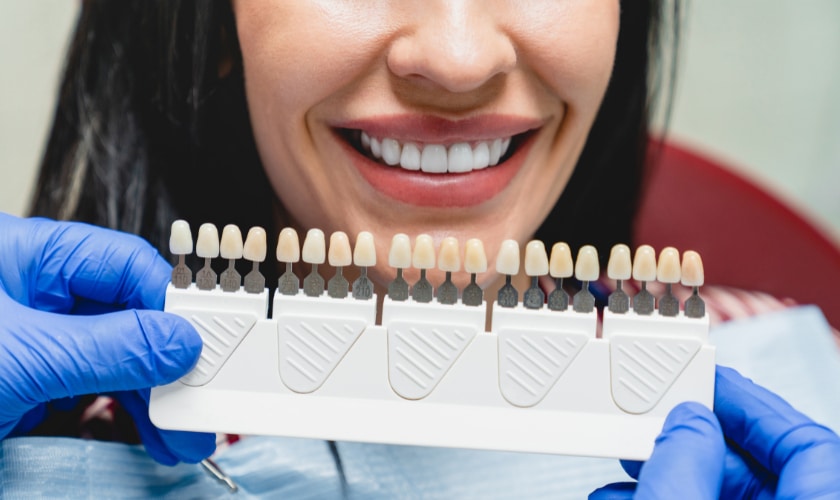
Are you tired of hiding your smile because of chipped, stained, or misaligned teeth? Dental veneers may be the solution you’ve been looking for! Veneers are a popular cosmetic dentistry treatment that can transform your smile and boost your confidence. But the process can seem overwhelming, from considering if it’s right for you to understand how to care for them after placement. That’s why we’ve put together this comprehensive guide to help you navigate every step of the way – so get ready to uncover everything there is to know about dental veneers, from consultation to aftercare!
What Are Dental Veneers?
Dental veneers are extremely thin pieces of porcelain or resin that are bonded to the front of your teeth. They are used to improve the appearance of your smile and can be used to correct a number of different dental issues. Veneers are an extremely popular option for many people who want to improve their smile because they are less invasive than other options, such as braces, and they can give you a very natural-looking smile.
If you are considering veneers, the first step is to consult with a dentist who can help you determine if veneers are right for you. During the consultation, your dentist will evaluate your teeth and mouth to make sure that veneers are a good option for you. They will also discuss the different types of veneers available and help you choose the best option for your needs. Once you have decided to proceed with veneers, your dentist will take impressions of your teeth so that the veneer is custom-made for you.
The placement of veneers is a relatively simple procedure, but it is important that it is done by a qualified dentist. The tooth or teeth that will receive the veneer will be cleaned and polished so that the bonding material can adhere properly. Once the tooth is prepared, the dentist will place the veneer on your tooth and then use a special light to harden the bonding material. You may need more than one appointment to have all of your veneers
Source – Colgate US
The Different Types of Veneers
When it comes to dental veneers, there are a few different types that you may come across. Here is a brief overview of the most common types of veneers:
Composite Veneers:
Composite veneers are made from a mixture of plastic and glass particles. They are thinner than porcelain veneers and require less preparation of the tooth. Composite veneers can be placed in a single visit and are less expensive than porcelain veneers. However, they are also more prone to staining and wear over time.
Porcelain Veneers:
Porcelain veneers are made from thin sheets of porcelain that are bonded to the front surfaces of the teeth. Porcelain veneers are more durable and Stain resistant than composite veneers but require more preparation of the tooth before placement. Porcelain veneers usually take two visits to complete and tend to be more expensive than composite veneers.
Lumineers:
Lumineers are a type of porcelain veneer that is very thin (about as thick as a contact lens) and requires little to no tooth preparation before placement. Lumineers can be placed in a single visit and usually cost about the same as traditional porcelain veneers.
Which type of dental veneer is right for you will depend on your specific needs
Pros of Veneers
Veneers are thin, custom-made shells designed to cover the front surface of teeth to improve their appearance. Some benefits of veneers include:
- Improved Appearance: Veneers can enhance the appearance of teeth by correcting a variety of cosmetic imperfections such as discoloration, chipping, or misalignment.
- Minimal Tooth Alteration: Veneers require minimal alteration of the natural tooth structure compared to other cosmetic dental procedures.
- Stain-Resistant: Veneers are made of materials that resist stains and discoloration, making them a long-lasting solution for a brighter, more attractive smile.
- Durability: Veneers are durable and can last for many years with proper care and maintenance.
- Customizable: Veneers are custom-made to fit the specific shape, size, and color of a patient’s natural teeth, resulting in a natural-looking, seamless smile.
- Improved Confidence: With a more attractive smile, many patients report feeling increased confidence and self-esteem in social and professional settings.
Conclusion
Dental veneers are a great way to enhance your smile and confidence. With the right consultation, preparation process, placement, and aftercare regimen, you can enjoy beautiful results for many years. If you’re looking for a way to improve the aesthetics of your teeth or cover up dental imperfections like chips or discoloration, dental veneers may be an ideal solution. Now that you know all about how they work and their benefits, it’s time to find out if they’re right for you!
FAQs
-
How long do dental veneers last?
Dental veneers can last for many years with proper care. However, they may need to be replaced or repaired over time due to wear and tear.
-
What is the difference between porcelain and composite dental veneers?
Porcelain veneers are made from a thin layer of ceramic material that is bonded to the front surface of your teeth. Composite veneers are made from a mixture of plastic and glass that is also bonded to your teeth. Both types of veneers can provide a natural-looking result. However, porcelain veneers tend to be more durable and resist staining better than composite.