
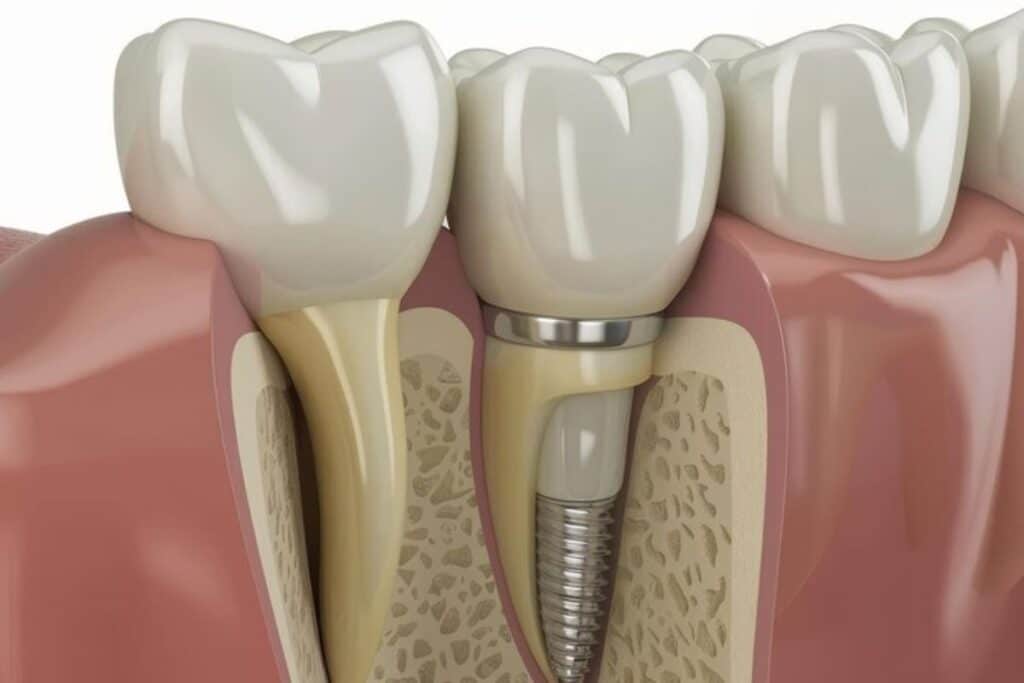
Dental implants are a fantastic solution for replacing missing teeth and restoring your smile. However, like any dental procedure, complications can arise if not properly cared for. Knowing how to detect and prevent these issues is key to maintaining your dental health.
At North Salt Lake Dental, we aim to provide guidance on ensuring the longevity of dental implants.
What Are the Signs of Dental Implant Complications?
Before diving into prevention tips, it’s important to recognize the warning signs of potential implant complications. Early detection is crucial in addressing problems before they escalate. Here are some symptoms that may indicate your dental implants need attention:
1. Persistent Pain or Discomfort
While mild discomfort is normal immediately after implant surgery, ongoing pain can signal an issue. If you feel pain in the implant site weeks or months after the procedure, it’s best to consult a dentist.
2. Gum Inflammation or Infection
Red, swollen, or bleeding gums around the implant site can indicate an infection or peri-implantitis. Left untreated, this can cause bone loss and compromise the stability of your implant.
3. Loose Implant
A properly integrated implant should feel stable. If your dental implant feels loose or wobbly, it could be a sign that it hasn’t fused to the jawbone correctly, necessitating immediate professional care.
4. Difficulty Chewing
Dental implants should allow you to chew food comfortably. If you’re experiencing difficulty while eating or notice a change in your bite, this could point to implant failure or misalignment.
Top Tips to Prevent Dental Implant Complications
Preventing complications is always better than treating them after they arise. In North Salt Lake Dental, fortunately, there are several effective ways to ensure your dental implants in North Salt Lake remain in top condition.
1. Prioritize Oral Hygiene
A strong oral hygiene routine is the foundation for preventing implant complications. Brush and floss daily, focusing on the gum line around the implant. Regular professional cleanings and check-ups with your dentist are essential to maintain the health of your gums and implants.
2. Avoid Smoking
Smoking significantly increases the risk of implant failure due to its impact on gum health and the body’s ability to heal. If you’re considering dental implants, quitting smoking before and after your procedure is highly recommended to reduce the likelihood of complications.
3. Stay Hydrated
Dry mouth can create an environment where harmful bacteria thrive, leading to infections around your implant. Staying hydrated by drinking plenty of water helps to keep your mouth moist and maintain a balance of healthy bacteria.
4. Use a Soft-Bristled Toothbrush
Hard-bristled toothbrushes can damage the delicate gum tissue around your implant. Opt for a soft-bristled toothbrush to gently clean your teeth and gums without causing irritation.
5. Be Mindful of What You Eat
Sticky, hard, or overly crunchy foods can put unnecessary stress on your implants, especially during the healing process. Try to avoid biting down on hard objects like ice or using your teeth as tools to open packaging, as these habits can lead to damage.
6. Schedule Regular Check-ups
Even if your implant feels fine, regular check-ups are vital. Your dentist can monitor the condition of your implant and detect any early signs of complications before they become serious. It’s recommended to visit your dentist every six months for routine evaluations and cleanings.
How to React If You Suspect a Complication
If you suspect a problem with your implant, don’t ignore the symptoms. Contact your dentist immediately for an assessment. Acting quickly can prevent further damage and save your implant.
What Can Be Done?
Depending on the severity of the complication, treatments may vary. Minor infections can be addressed with antibiotics, while loose implants may need additional surgeries or adjustments. In any case, prompt professional care ensures the best possible outcome.
Dental implants are a long-lasting and effective solution for missing teeth, but proper care is essential to avoid complications. By following these tips, you can protect your dental implants and enjoy a healthy, beautiful smile for years to come. If you notice any issues or have concerns about your implants, don’t hesitate to reach out to North Salt Lake Dental for professional advice and care.
Ensuring the health of your dental implants starts with awareness and a proactive approach. By partnering with your dentist, you can detect early signs of trouble and prevent complications from developing.