
Welcome to our blog where we delve into the world of dental emergencies! Picture this – you’re enjoying a relaxing evening when suddenly, a sharp pain shoots through your mouth. Or perhaps you’ve just had an unfortunate accident that left your pearly whites in distress. Dental emergencies can strike at any time, leaving us anxious and seeking immediate relief. But fear not! In this article, we’ll break down what constitutes a dental emergency, explore the different types you may encounter, discuss common symptoms to watch out for, offer tips on how to treat them at home (when possible), and advise when it’s necessary to seek professional help. So grab your seatbelt because we’re about to embark on a journey of tooth-saving knowledge!
What Is A Dental Emergency?
A dental emergency refers to any sudden and unexpected oral health issue that requires immediate attention. It can range from a severe toothache to a broken tooth, or even an injury to the mouth or jaw. Basically, anything that causes unbearable pain, bleeding, swelling, or affects your ability to eat or speak properly falls under this category.
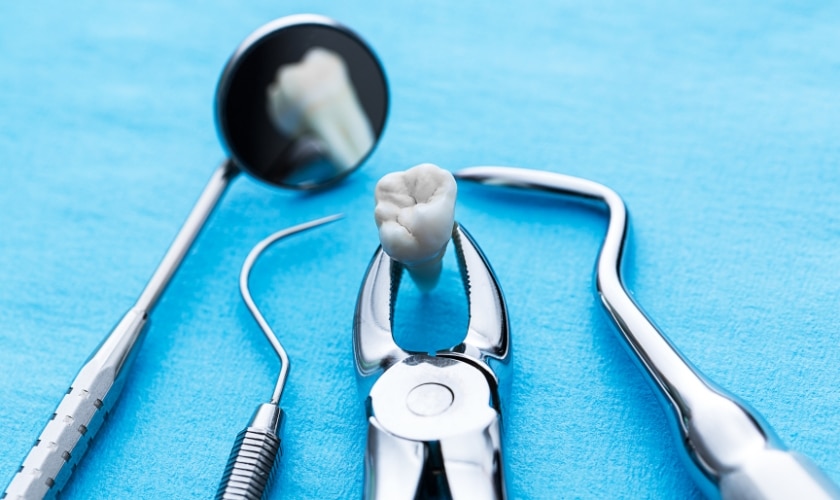
One common type of dental emergency is a knocked-out tooth. This occurs when a tooth gets completely dislodged from its socket due to trauma or accident. Time is of the essence in such cases as there may still be a chance of saving the tooth if you act quickly.
Another example is an abscessed tooth – an infection that forms at the root of a tooth. It’s often accompanied by intense pain and swelling around the affected area. If left untreated, it can lead to serious complications and even spread throughout the body.
Cracked or fractured teeth are also considered emergencies depending on their severity. A minor chip may not require immediate attention but more extensive damage could expose nerves and cause excruciating discomfort.
Dental emergencies encompass various situations where prompt action becomes necessary for relieving pain and preventing further complications. Whether it’s a knocked-out tooth, abscessed infection, or cracked pearly whites – seeking professional help immediately will ensure proper treatment and restore both your smile and peace of mind!
Types of Dental Emergencies
Dental emergencies can occur at any time and it’s important to know the different types so you can respond quickly. Here are some common types of dental emergencies:
1. Toothache
A severe toothache can be a sign of an underlying issue such as infection or decay. It’s important to address this promptly to prevent further complications.
2. Broken or chipped tooth
Accidents happen, and if you break or chip a tooth, it is considered a dental emergency. This can not only be painful but also affect your ability to eat and speak properly.
3. Knocked-out tooth
If a tooth gets knocked out due to trauma, immediate action is essential for potential reattachment. Keep the tooth moist in milk or saliva until you reach the dentist.
4. Abscessed tooth
An abscessed tooth occurs when there is an infection at the root of the tooth, causing pain and swelling in the surrounding area.
5. Lost filling or crown
Losing a filling or crown may expose sensitive areas of your teeth, leading to discomfort and increased risk of further damage.
Remember that these are just some examples, and any oral condition causing severe pain, bleeding, swelling, or difficulty in eating should be considered a dental emergency requiring prompt attention from your dentist.
Symptoms of a Dental Emergency
When it comes to dental emergencies, recognizing the symptoms is crucial for timely intervention. Here are some common signs that indicate you may be facing a dental emergency.
- Severe Toothache: If you experience intense and persistent tooth pain, it could be a sign of an underlying issue such as an infection or abscess.
- Knocked-Out Tooth: Accidents happen, and if one or more teeth have been knocked out due to trauma, seeking immediate dental care is essential for possible reattachment.
- Broken or Chipped Teeth: A cracked or broken tooth can cause sharp edges that may lead to cuts, discomfort, and further damage if left untreated.
- Swelling and Bleeding Gums: Swollen gums accompanied by bleeding can indicate gum disease or other oral health problems that require prompt attention.
- Loose Teeth: Adult teeth should not feel loose; this could signify an injury or advanced gum disease that needs professional evaluation.
- Lost Dental Filling/Crown: Losing a filling or crown can expose the vulnerable inner parts of the tooth, causing sensitivity and potential infection.
Remember, these symptoms should not be ignored as they can worsen over time if left untreated. Seeking professional help from your dentist during a dental emergency is vital to prevent further damage and promote optimal oral health.
How to Treat a Dental Emergency
When faced with a dental emergency, it is crucial to know how to provide immediate treatment before seeking professional help. Here are some steps you can take to treat a dental emergency:
- Knocked-out tooth: If you or someone else loses a permanent tooth, try to reinsert it back into the socket without touching the root. If this isn’t possible, place the tooth in milk or saliva and see a dentist within an hour.
- Toothache: Rinse your mouth with warm saltwater and gently floss around the affected area to remove any food debris that may be causing the pain. Avoid placing aspirin directly on the tooth as it can damage your gums.
- Broken or chipped tooth: Rinse your mouth with warm water and save any broken pieces if possible. Apply gauze if there is bleeding and use a cold compress on your face to reduce swelling.
- Lost filling or crown: Use dental cement from your local pharmacy to temporarily cover the exposed area until you can see your dentist.
When to Go to The Hospital For A Dental Emergency
In some cases, a dental emergency may require immediate medical attention at the hospital. While many dental emergencies can be treated by a dentist, there are certain situations where seeking care at the hospital is necessary.
One such situation is severe trauma or injury to the face or mouth. If you experience a major accident that causes extensive damage to your teeth, jaw, or soft tissues, it’s important to go to the hospital right away. This could include fractures or dislocations of the jaw, deep cuts in your mouth that won’t stop bleeding, or any other significant injuries.
Another instance when going to the hospital is warranted is if you have difficulty breathing due to swelling in your mouth and throat. This could be a sign of a serious infection or allergic reaction that requires immediate medical intervention.
Additionally, if you have uncontrollable pain that cannot be managed with over-the-counter pain medication, it may be necessary to seek help at the hospital. Some dental emergencies can cause excruciating pain and discomfort that needs stronger medications administered by healthcare professionals.
It’s also important to consider visiting an emergency room if you’re unable to reach your regular dentist during after-hours or on weekends. The ER staff will be able assess your condition and provide temporary relief until you can see your dentist for further treatment.
Remember that not all dental emergencies require a trip to the hospital. For minor issues like toothaches or small chips in teeth without excessive bleeding, it’s best to contact your dentist first for guidance on how soon they can see you.
Conclusion
In times of dental emergencies, it is crucial to act quickly and seek the appropriate treatment. Whether it’s a severe toothache, a knocked-out tooth, or a broken dental appliance, understanding the types of dental emergencies and their symptoms can help you take the necessary steps to alleviate pain and prevent further damage. Remember that not all oral discomfort qualifies as an emergency. If you’re unsure whether your situation requires immediate attention, reach out to your dentist for guidance. They are trained professionals who can assess your condition and provide proper advice.
Being prepared for dental emergencies is also essential. Keep contact information for your dentist readily available at all times, especially during weekends or holidays when regular office hours may be limited. Additionally, consider having a basic dental emergency kit on hand with items such as temporary filling material, gauze pads, cold packs, over-the-counter pain relievers like ibuprofen or acetaminophen (following package instructions), and a small container with a lid to store any dislodged teeth. Maintain good oral hygiene practices by brushing twice daily with fluoride toothpaste, flossing regularly, eating a balanced diet low in sugary foods and drinks while high in fruits and vegetables; visit your dentist regularly for check-ups; wear protective gear during sports activities; avoid using teeth as tools; and refrain from chewing ice or hard candies.