
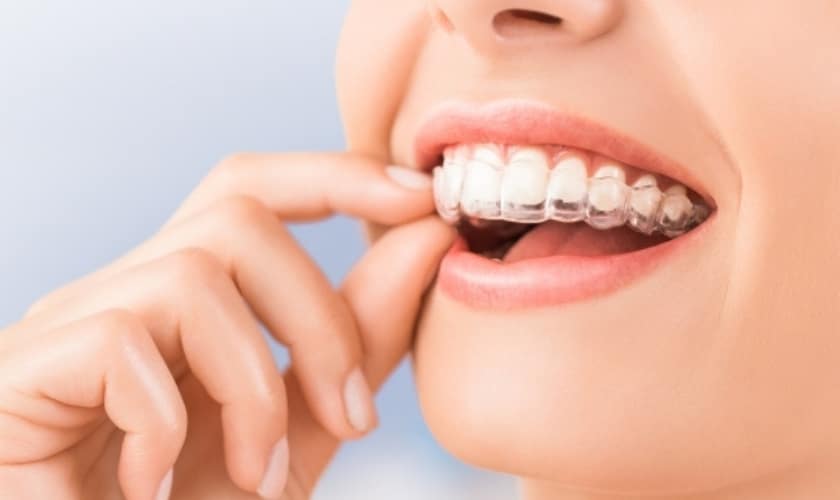
Are you tired of clenching your teeth during intense workouts or grinding them unconsciously at night? Or perhaps you’re an athlete seeking the perfect protection for your pearly whites while on the field? If so, look no further! Here, we will embark on a journey to unveil the various types of mouthguards available, helping you determine which one suits your needs and provides that ultimate comfort and shield. Get ready to unleash your best smile with confidence – let’s dive into the world of mouthguards together!
What Is A Mouthguard?
Mouthguards are crucial accessories designed to safeguard your teeth, gums, and jaw from injuries during high-impact sports and recreational activities. They provide a protective barrier that absorbs and distributes the force of impacts, reducing the risk of dental trauma, concussions, and other severe oral injuries.
In this guide, we will explore the different types of mouthguards available, including custom-fit, boil-and-bite, and stock mouthguards, highlighting their unique features, pros, and cons. We’ll delve into the materials used in their construction, such as thermoplastic, silicone, and latex-free options, helping you make an informed decision based on your needs and preferences.
Furthermore, we’ll discuss the essential factors to consider when selecting a mouthguard, such as comfort, fit, durability, and breathability. We’ll also address frequently asked questions regarding the care, maintenance, and lifespan of mouthguards, ensuring you have all the necessary information to keep your oral protector in optimal condition.
Different Types Of Mouthguards
There are three main types of mouthguards: stock, boil and bite, and custom.
- Stock mouthguards are the least expensive and most widely available type of mouthguard. They come in a limited range of sizes and typically don’t fit very well, which can make them uncomfortable to wear.
- Boil and bite mouthguards are made from thermoplastic material that you soften in boiling water, then mold to your teeth with your fingers. These usually fit better than stock mouthguards, but they’re still not as comfortable or effective as custom-made ones.
- Custom mouthguards are made by taking an impression of your teeth, then having a dental professional create a guard from that mold. Custom guards offer the best fit, comfort, and protection, but they’re also the most expensive option.
Pros Of Different Types Of Mouthguards
Different types of mouthguards are available, each with its own set of pros. Let’s explore these options:
1.Stock Mouthguards:
- Pros: Stock mouthguards are readily available and inexpensive. They require no customization or fitting process, making them convenient for immediate use. They offer basic protection for occasional use.
2.Boil-and-Bite Mouthguards:
- Pros: Boil-and-bite mouthguards are more customizable than stock mouthguards. They can be molded to fit an individual’s teeth by softening the material in boiling water and then biting into it. This process improves comfort and fit.
3.Custom-made Mouthguards:
- Pros: Custom-made mouthguards are professionally crafted by dental experts to fit an individual’s teeth perfectly. They offer superior comfort, allowing for natural speech and breathing. Customization ensures optimal protection against impacts and prevents dental injuries effectively.
Dental-Laboratory Fabricated Mouthguards:
- Pros: Dental-laboratory fabricated mouthguards are the gold standard in mouthguard technology. They offer the highest level of customization and protection. These mouthguards are crafted using advanced materials and techniques, providing an exceptional fit, comfort, and durability.
How To Choose The Right Mouthguard?
Mouthguards are an important piece of equipment for anyone who plays contact sports, but with so many different types on the market, it can be hard to know which one is right for you. Here are a few things to consider when choosing a mouthguard:
-The level of protection you need. If you play a high-impact sport like football or hockey, you’ll need a mouthguard that can withstand more force than one used in a lower-impact sport like basketball.
-The fit. A good mouthguard should fit snugly and comfortably over your teeth without impeding your breathing or speech.
-Your budget. Mouthguards can range in price from around $10 to $100 or more, so it’s important to find one that fits your needs and budget.
Once you’ve considered these factors, you can start narrowing down your choices and ultimately choose the mouthguard that’s right for you.
Caring For Your Mouthguard
If you have braces, you will need to take extra care of your mouthguard. Here are some tips:
-Rinse your mouthguard with soap and water after each use.
-Brush your mouthguard with a toothbrush and toothpaste.
-Sterilize your mouthguard monthly by boiling it in water for 5 minutes.
-Store your mouthguard in a cool, dry place when you’re not using it.
Alternative Methods Of Protection For Your Teeth
While brushing and flossing your teeth regularly is the best way to protect them from decay, there are alternative methods of protection you can use as well. Here are some different types of mouthguards you can use to protect your teeth:
- Dental sealants – These are thin, protective coatings that are applied to the chewing surfaces of the back teeth. They act as a barrier, protecting the tooth against decay-causing bacteria.
- Fluoride treatments – Fluoride helps to make tooth enamel more resistant to decay. It can be applied topically in the form of gels, rinses, or varnishes, or it can be taken internally in the form of tablets or drops.
- Pit and fissure sealants – These are also thin protective coatings that are applied to the deep grooves (pit and fissures) on the chewing surfaces of the back teeth. They help to prevent food and bacteria from becoming trapped in these areas and causing tooth decay.
- Space maintainers – These devices are used when a baby tooth has fallen out prematurely due to injury or decay. They help to keep the space open until the permanent tooth comes in.
- Mouthguards – Mouthguards can be worn during activities such as sports or contact sports, where there is a risk of injury to the mouth. They help to protect the teeth from being chipped, fractured, or knocked out
Conclusion
Mouthguards are an important tool in ensuring the safety of athletes participating in contact sports and activities. With so many different types available, it’s essential to know which one is right for you and your particular needs. Whether you’re looking for a medical-grade mouthguard or something more affordable, there’s sure to be a protective option that works best for you. Always remember to check with your doctor before making any decisions about wearing a mouthguard – their advice will help ensure that not only do you find the proper fit, but remain safe during physical activity as well!