
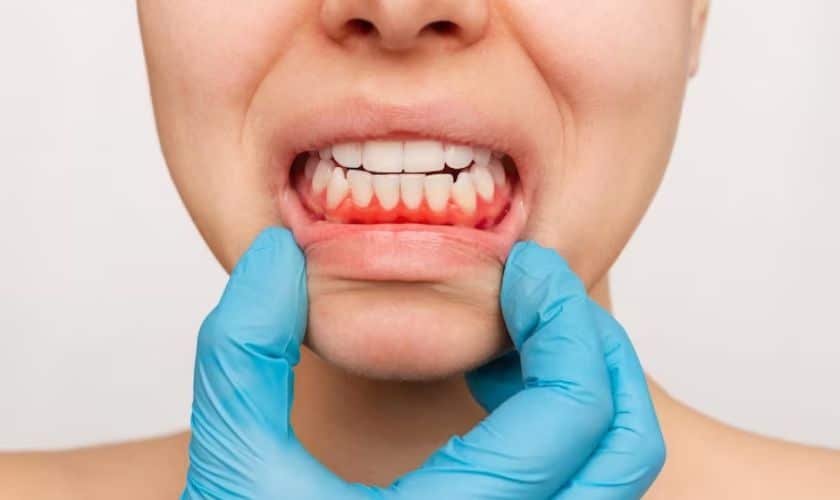
Are you experiencing bleeding gums when brushing or flossing? This can be a scary and uncomfortable situation, but rest assured that it is quite common. Bleeding gums are often an indication of gum disease, which can lead to more serious oral health issues if left untreated. In this blog post, we will discuss the causes of bleeding gums, what you should do if your gums are bleeding, and how to prevent this issue from occurring in the future. So sit back and keep reading to learn everything about bleeding gums!
What are the Causes of Gums Bleeding?
There are several factors that can cause bleeding gums. One of the most common causes is poor oral hygiene, which can lead to gum disease. When plaque builds up on your teeth and gums, it can cause inflammation and irritation, leading to bleeding.
Another possible cause of bleeding gums is brushing too hard or using a toothbrush with bristles that are too firm. This can damage the sensitive tissue in your mouth and lead to bleeding.
Certain medications such as blood thinners also increase the likelihood of bleeding gums. Hormonal changes during pregnancy or menopause may also contribute to this issue.
Other factors that could potentially result in gum bleeding include vitamin deficiencies (particularly vitamin C), tobacco use, stress, and even genetics.
It’s important to determine what is causing your gums to bleed so that you can take appropriate action. In some cases, addressing the underlying issue may be enough to resolve the problem entirely.
What should I do if my gums are bleeding?
If your gums are bleeding, it’s important not to panic. This common issue can be caused by a number of factors, including gum disease, brushing too hard, or even hormonal changes in the body. If you notice blood when you brush or floss your teeth, there are a few steps you can take to help stop the bleeding and promote healthy gums.
Firstly, make sure that you’re brushing and flossing regularly with a soft-bristled toothbrush and gentle technique. Avoid using harsh mouthwashes or abrasive toothpaste as these can further irritate sensitive gums.
Next, rinse your mouth with warm saltwater to soothe any inflammation and improve circulation in the affected area. Apply pressure to the bleeding site with a clean piece of gauze or cloth until the bleeding stops.
If your gums continue to bleed despite taking these steps or if you experience other symptoms like pain or swelling around the affected area, it’s important to see a dentist as soon as possible for proper diagnosis and treatment.
Gums Bleeding: Treatment and Prevention
If you are experiencing bleeding gums, it is important to take action to avoid further complications. Fortunately, there are a number of treatments and preventative measures that can help you deal with this problem.
One of the most effective ways to treat bleeding gums is through regular dental cleanings. A professional cleaning will remove plaque buildup and bacteria from your teeth and gum line, which can reduce inflammation and prevent future bleeding.
In addition to professional cleanings, practicing good oral hygiene habits at home can also help prevent bleeding gums. This includes brushing twice a day with a soft-bristled brush, flossing daily, and using an antiseptic mouthwash.
It’s also important to maintain a healthy diet that supports good oral health. Eating foods high in vitamins C and K can promote strong gum tissue while avoiding sugary or processed foods can minimize plaque buildup.
If these methods do not alleviate your symptoms or if you experience other concerning signs such as pain or swelling, consult with your dentist for additional treatment options. By taking proactive steps towards proper dental care, you can keep your gums healthy and prevent future issues like bleeding gums.
Conclusion
Bleeding gums may seem like a minor issue, but it can lead to more severe oral health problems if left untreated. If you notice your gums bleeding when brushing or flossing, do not panic. Instead, take action by following these steps: maintain good oral hygiene habits such as brushing twice a day and flossing daily; visit your dentist regularly for check-ups and cleanings; eat healthy foods that are rich in vitamins and minerals; avoid smoking and limit alcohol consumption.
Remember that prevention is always better than cure. By taking care of your teeth and gums properly, you can reduce the risk of gum disease and other dental issues.