
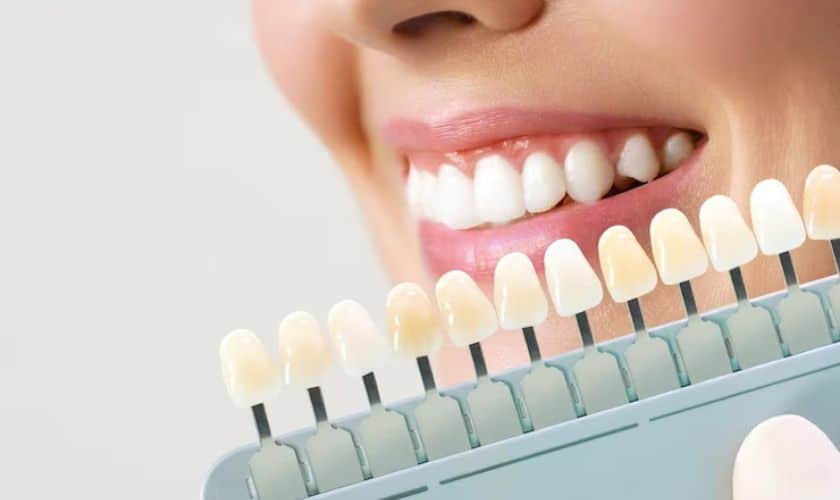
Are you tired of hiding your smile because of chipped, discolored or uneven teeth? Dental veneers might just be the solution you need! These thin shells made from porcelain or composite resin are designed to cover the front surface of your teeth, giving you a bright and flawless smile. But what exactly can you expect during the dental veneers procedure? In this blog post, we’ll take you through everything you need to know before getting veneers so that you can feel confident and prepared for this exciting transformation. Let’s dive in!
What are dental veneers?
Dental veneers are thin shells made from porcelain or composite resin that are custom-made to fit over your existing teeth. They’re commonly used to improve the appearance of chipped, stained, misaligned or irregularly shaped teeth.
Porcelain veneers are typically more durable and stain-resistant than composite resin ones but require a longer preparation time and may involve some enamel removal. Composite resin veneers, on the other hand, can be placed in one visit without any significant alteration of the tooth structure.
Veneers look natural and blend seamlessly with your surrounding teeth because they’re carefully color-matched to match your smile. Once applied, they can last for 10-15 years with proper care.
Although dental veneers primarily serve cosmetic purposes, they also offer functional benefits such as protecting damaged tooth surfaces and correcting bite issues.
If you’re considering getting dental veneers, it’s essential to consult with a qualified dentist who can evaluate your specific needs and recommend the best course of action for achieving your desired results.
The different types of dental veneers
When it comes to dental veneers, there are two main types: porcelain and composite. Porcelain veneers are made from a thin shell of ceramic that is custom-made to fit over the front surface of your teeth. Composite veneers, on the other hand, are made from a tooth-colored resin material that is bonded directly onto the tooth.
Porcelain veneers tend to be more durable than their composite counterparts and can last anywhere from 10-15 years with proper care. They also have a very natural appearance and can be customized in terms of shape, size, and shade.
Composite veneers may not be as durable as porcelain but they do offer some advantages such as being less expensive and requiring less preparation time before placement. Plus, if any damage occurs they can easily be repaired.
It’s important to note that both types of veneers require regular maintenance such as brushing twice a day and flossing daily. Additionally, avoiding habits like nail-biting or using your teeth as tools will help prolong the life of your new smile.
Ultimately, which type of dental veneer is right for you will depend on several factors including budget, personal preference, and specific dental needs. Your dentist can help guide you toward making an informed decision based on these factors so that you can achieve the beautiful smile you’ve always wanted!
The procedure for getting dental veneers
The procedure for getting dental veneers is a relatively simple process that usually takes two to three visits to the dentist. First, you’ll need to schedule a consultation with your dentist to determine if dental veneers are right for you.
During your first appointment, your dentist will prepare your teeth by removing a small amount of enamel from the surface. This allows room for the veneer to fit properly and adhere securely.
Next, impressions of your teeth will be taken and sent off to a dental lab where custom-made veneers will be created specifically for you. While waiting for your permanent veneers, temporary ones may be placed on your prepared teeth.
Once the permanent veneers are ready, you’ll return to have them bonded onto each tooth using special cement. Your dentist will then use a curing light to harden the cement and ensure a strong bond between the tooth and the veneer.
Getting dental veneers is generally painless and requires only local anesthesia during preparation. Afterward, it’s important to follow proper care instructions from your dentist in order to maintain their appearance and functionality over time.
What to expect after the procedure
After your dental veneers procedure, you can expect some tenderness and sensitivity in your teeth. This is completely normal and should subside within a few days. Your dentist will provide you with instructions on how to manage any discomfort during the healing process.
It’s important to take care of your new veneers by avoiding hard or sticky foods for the first 24-48 hours after the procedure. You should also avoid biting into anything extremely hot or cold as this could cause sensitivity.
In terms of maintenance, it’s essential to continue with good oral hygiene practices like brushing twice a day and flossing daily. Regular dental check-ups are also crucial to ensure that everything is looking good.
If you notice any issues such as chipping or cracking of the veneer, contact your dentist immediately for advice on what to do next. With proper care and attention, your dental veneers can last up to 10 years giving you a beautiful smile for many years to come!
Tips for taking care of your dental veneers
Congratulations on getting your new dental veneers! Now that you’ve invested in improving the appearance of your smile, it’s important to take care of them properly. Here are some tips for maintaining your dental veneers:
1. Brush and floss regularly: Just like natural teeth, dental veneers need regular cleaning to prevent plaque buildup and staining.
2. Avoid hard or crunchy foods: While dental veneers are durable, they can still chip or crack if exposed to excessive force. So be careful when biting down on hard objects such as ice cubes or popcorn kernels.
3. Wear a mouthguard: If you play contact sports or grind your teeth at night, consider wearing a custom-fitted mouthguard to protect both your natural teeth and veneers from damage.
4. Limit staining beverages: Beverages such as coffee, tea and red wine can stain your dental veneers over time. To minimize discoloration, try limiting these drinks or drinking them through a straw.
5. Visit the dentist regularly: Regular check-ups with your dentist will ensure that any issues with your dental veneers are caught early before they become major problems.
By following these tips for taking care of your dental veneers, you can enjoy a beautiful smile for years to come!
Conclusion
In summary, dental veneers are a fantastic cosmetic dentistry option for those looking to improve the appearance of their smile. They can help fix a multitude of dental concerns such as chips, gaps, and discoloration. It’s essential to understand the different types of veneers available and what the procedure entails before deciding if they’re right for you. Additionally, taking proper care of your new veneers will ensure they last as long as possible.
Don’t hesitate to schedule a consultation with your dentist today to learn more about how dental veneers can transform your smile!