
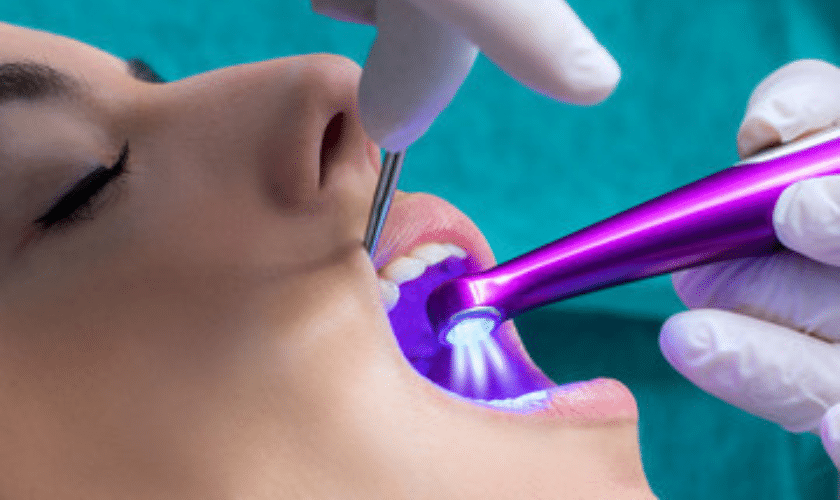
Most people think of dental visits as dreaded experiences; however, there are treatments and preventive measures that can reduce the chances of needing a dental visit in the first place. Dental sealants offer one such measure. Dental sealants are thin plastic coatings applied to the chewing surfaces of teeth, protecting them from bacteria and tooth decay. In this blog post, we will explore how these sealants work and why they are beneficial for both adults and children alike. We will also discuss when it’s necessary to get these sealants, how long they last, and what you should do if yours is beginning to wear off.
What is Dental Sealant?
Dental Sealants are a protective measure against tooth decay. They are a plastic material that is applied to the chewing surfaces of the back teeth, where decay is most likely to occur. The sealant bonds to the tooth enamel and acts as a barrier, protecting the tooth from bacteria and food particles that can cause decay. Sealants can last for many years, but need to be checked at regular dental visits and replaced if they become worn or damaged.
What Every Parent Should Know About This?
Dental sealants are a common practice used to prevent tooth decay. They are usually applied to the back teeth, where decay is most likely to occur. Sealants are thin, plastic coatings that are applied to the chewing surfaces of the back teeth. They act as a barrier, protecting the teeth from bacteria and food particles that can cause decay.
There are many benefits of dental sealants. They can be effective in preventing tooth decay, and they are also easy to apply and remove. Sealants are safe for both children and adults, and they do not require any special care or maintenance.
However, there are some things that parents should know about dental sealants before they have them applied to their child’s teeth. First, sealants should be applied by a dentist or another qualified health care professional. Second, sealants should be reapplied every six months to ensure that they remain effective. Finally, parents should make sure that their child brushes and flosses regularly, as this will help to prevent tooth decay even with the presence of dental sealants.
Benefits of Dental Sealants
Dental sealants are a great way to protect your teeth from bacteria and tooth decay. Here are some of the benefits of dental sealants:
1. Dental sealants act as a barrier to prevent bacteria from penetrating the tooth enamel and causing decay.
2. Sealants can help to fill in any gaps or cracks in the tooth enamel, which can also lead to decay.
3. Dental sealants can last for several years with proper care, which means you won’t have to worry about replacing them often.
4. They are also relatively affordable, so you can get them without breaking the bank.
conclusion
It is important to remember that dental sealants are only one part of maintaining good oral health. Brushing twice a day, flossing daily, and visiting the dentist regularly are all still essential for keeping your teeth and gums healthy.
1. What are dental sealants?
Dental sealants are a thin, clear or white coatings that are applied to the chewing surfaces of the back teeth — molars and premolars — to protect them from tooth decay.
2. How do dental sealants work?
Dental sealants work by creating a barrier between your teeth and the bacteria in your mouth that cause tooth decay.
3. Who should get dental sealants?
Dental sealants are typically recommended for children and adolescents, as they are more likely to experience tooth decay due to their developing oral hygiene habits. However, adults can also benefit from dental sealants if they have deep grooves in their teeth that make them difficult to clean with a toothbrush.