
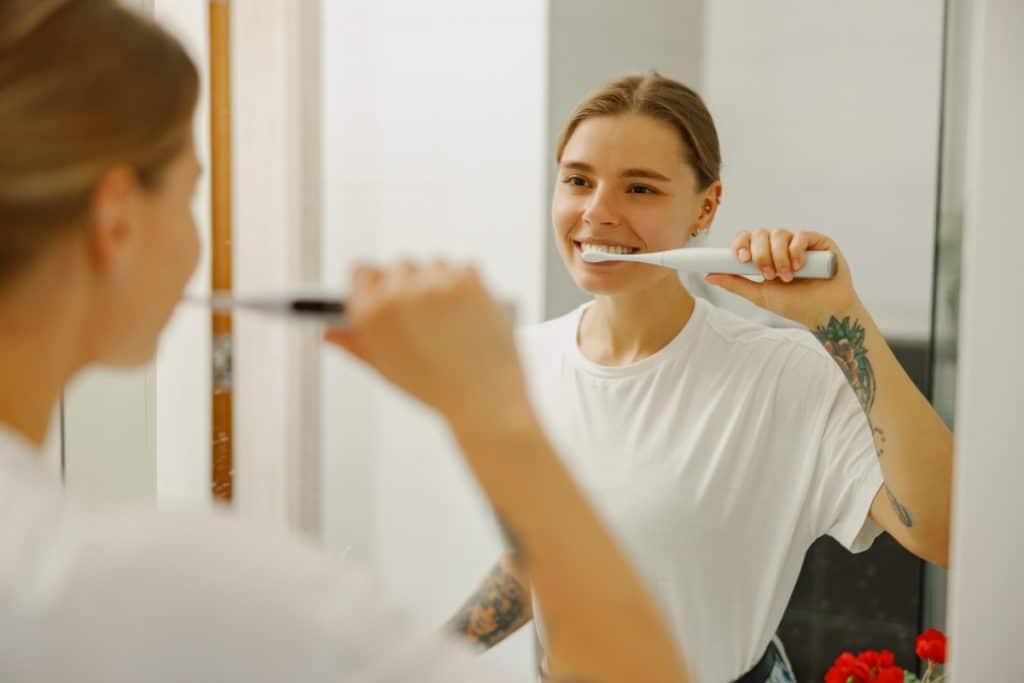
Choosing a toothbrush seems like a small decision, but it can make a difference in your daily oral hygiene. You may already have a favorite manual toothbrush, or perhaps you’ve considered switching to an electric model after hearing about its cleaning benefits. With so many options available, deciding between an electric vs. manual toothbrush can feel confusing.
Both types can clean your teeth effectively when you use them correctly. However, they differ in how they remove plaque, how much effort they require, and which features they offer. Your brushing habits, gum health, and personal comfort also play a role.
If you’re looking for guidance from a dentist in North Salt Lake, understanding these differences can help you make a more informed choice. At North Salt Lake Dental, maintaining healthy teeth and gums starts with simple habits that fit your everyday routine.
Let’s compare both toothbrush types and look at what matters most when choosing one.
Electric vs. Manual Toothbrush: What Is the Difference?
The biggest difference between these toothbrushes is how they move during brushing.
A manual toothbrush relies entirely on your hand movements. You control the pressure, angle, and brushing speed as you move the bristles across your teeth and along the gumline.
An electric toothbrush uses a motor to move the brush head automatically. Depending on the model, it may use oscillating, rotating, or sonic movements to help clean tooth surfaces.
Here’s a quick comparison:
| Feature | Electric Toothbrush | Manual Toothbrush |
|---|---|---|
| Cleaning Movement | Motor-powered | Hand-controlled |
| Brushing Effort | Requires less manual movement | Requires active brushing |
| Built-in Timer | Available on many models | Usually not included |
| Pressure Sensor | Available on some models | Not included |
| Cost | Generally higher | Generally lower |
| Portability | Many models require charging or batteries | Easy to carry |
| Replacement | Replaceable brush heads | Entire toothbrush |
Neither option guarantees better oral health on its own. Consistent brushing technique and regular cleaning matter just as much as the toothbrush you choose.
What Are the Benefits of Electric Toothbrushes?
Electric toothbrushes offer several features that can make daily brushing easier. Research also suggests that certain powered toothbrushes may remove slightly more plaque than manual toothbrushes when people use them consistently.
Here are some reasons people choose electric models.
They Can Help Remove More Plaque
One of the main benefits of electric toothbrushes is their ability to support plaque removal through consistent brush-head movement.
A Cochrane systematic review found that powered toothbrushes reduced plaque by approximately 21% and gingivitis by approximately 11% compared with manual toothbrushes in the studies reviewed. These findings were measured after about three months of use.
However, results can vary by toothbrush design, brushing habits, and individual needs. An electric toothbrush does not replace proper brushing or flossing.
Built-In Timers Encourage Better Brushing Habits
Many electric toothbrushes include timers that help users brush for the recommended two minutes.
Some models also divide brushing into 30-second intervals, reminding you to move to another section of your mouth.
This feature can be helpful if you tend to rush through brushing or regularly miss certain areas.
Pressure Sensors Can Protect Your Gums
Brushing harder does not necessarily make your teeth cleaner. Excessive pressure may irritate your gums and contribute to tooth wear over time.
Some electric toothbrushes include pressure sensors that alert you when you press too firmly. This feature can encourage gentler brushing, particularly for people who tend to scrub their teeth.
They May Be Easier for People With Limited Hand Mobility
People with arthritis, limited dexterity, or certain physical conditions may find electric toothbrushes easier to manage.
Because the brush head performs much of the movement, users may not need to make as many repetitive hand and wrist movements.
Why Do Some People Still Prefer Manual Toothbrushes?
Although electric toothbrushes offer useful features, manual toothbrushes remain a practical option for everyday oral care.
They Are Budget-Friendly
Manual toothbrushes generally cost less than electric models. You can replace them regularly without purchasing a motorized handle or replacement charging accessories.
This makes them convenient for families, travelers, and people who prefer a simple oral hygiene routine.
They Are Easy to Carry
A manual toothbrush does not require charging, batteries, or additional accessories. You can keep one in your travel bag, office drawer, or bathroom without worrying about power.
They Give You Full Control
Some people prefer controlling every brushing movement themselves. With the right technique, a manual toothbrush can clean the teeth and gumline effectively.
A soft-bristled brush, gentle pressure, and careful attention to every tooth can support good oral hygiene without electronic features.
Which Is the Best Toothbrush for Removing Plaque?
If plaque removal is your main concern, an electric toothbrush may offer a small advantage, particularly models with oscillating-rotating brush heads.
However, the best toothbrush for removing plaque is one that you can use correctly and consistently.
Consider these factors when choosing:
- Soft bristles: They clean effectively without requiring excessive pressure.
- Comfortable handle: Choose a grip that feels natural in your hand.
- Small brush head: It can make it easier to reach the back teeth and other difficult areas.
- Two-minute timer: This can help maintain a consistent brushing routine.
- Pressure sensor: Consider this feature if you tend to brush too aggressively.
The American Dental Association recommends brushing twice daily for two minutes with a soft-bristled toothbrush and fluoride toothpaste.
You can also look for the ADA Seal of Acceptance when comparing toothbrushes. It indicates that a product has met the ADA’s applicable safety and efficacy standards.
How to Brush Properly With Either Toothbrush
The toothbrush you choose matters, but your technique makes a significant difference.
Using a Manual Toothbrush
1. Hold your toothbrush at approximately a 45-degree angle toward the gumline.
2. Use short, gentle strokes rather than aggressive back-and-forth scrubbing.
3. Clean the outer, inner, and chewing surfaces of every tooth.
4. Brush your tongue gently to help remove odor-causing bacteria.
5. Spend about two minutes brushing.
Using an Electric Toothbrush
1. Place the brush head against each tooth before turning it on, if your model’s instructions recommend this approach.
2. Guide the brush slowly across each tooth surface.
3. Let the brush perform the cleaning movement instead of scrubbing.
4. Follow the timer and cover all areas of your mouth.
5. Avoid pressing too firmly against your gums.
Regardless of the toothbrush type, replace the brush or brush head every three to four months, or sooner if the bristles become frayed.
What Do Dental Professionals Consider When Recommending a Toothbrush?
Dental recommendations for toothbrushes depend on more than personal preference. Your oral health, gum condition, brushing habits, and ability to maintain a consistent routine all influence the decision.
For example, someone with gum recession or sensitive teeth may benefit from a soft-bristled brush and a gentle brushing technique. A person with limited hand mobility may find an electric toothbrush easier to use.
During routine dental visits in North Salt Lake, your dental team can assess your brushing habits, check for plaque buildup, and identify areas that need more attention.
Choosing the Right Toothbrush for Your Smile
When comparing electric vs. manual toothbrushes, there isn’t one option that works best for everyone. Electric models offer features that may improve brushing consistency and plaque removal, while manual toothbrushes provide an affordable and straightforward way to maintain oral hygiene.
The most important factors are brushing twice daily, using fluoride toothpaste, cleaning between your teeth, and maintaining regular dental visits.
At North Salt Lake Dental, patients can discuss their oral hygiene concerns and receive guidance on choosing a toothbrush that supports their individual needs. If you’re unsure whether your current brushing routine is working, schedule an appointment to discuss your options.
Frequently Asked Questions
Are electric toothbrushes better than manual toothbrushes?
Electric toothbrushes may offer a slight advantage in plaque removal and reducing gingivitis. However, manual toothbrushes can also clean effectively when you use proper technique and brush consistently.
Can an electric toothbrush damage your gums?
An electric toothbrush should not damage healthy gums when used correctly. However, applying too much pressure or using a worn brush head may irritate gum tissue. Choose soft bristles and use a pressure sensor if available.
How often should I replace my toothbrush?
Replace your toothbrush or electric toothbrush head every three to four months. Replace it sooner if the bristles become frayed or worn.
Is an electric toothbrush worth the extra cost?
It may be worth the investment if you benefit from features such as timers, pressure sensors, and automatic brushing movements. However, a manual toothbrush remains an effective and budget-friendly option.
Should children use electric or manual toothbrushes?
Children can use either type, provided the toothbrush suits their age and mouth size. A small brush head and soft bristles are important. Parents should supervise brushing until children develop good brushing habits.