
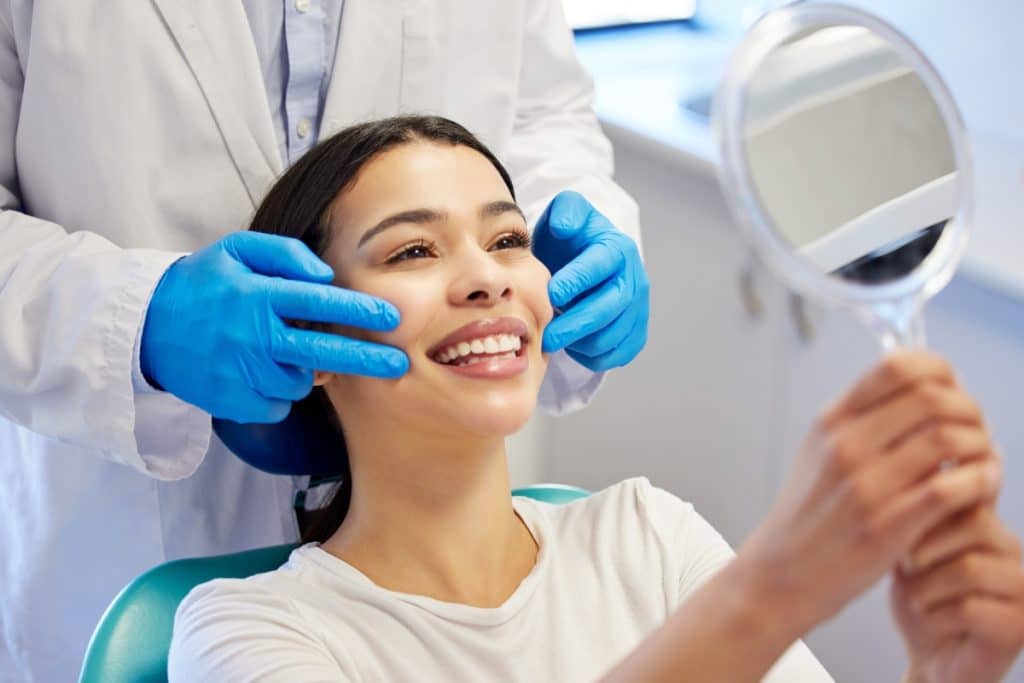
Have you ever looked at a picture of yourself and felt that something about your smile looked different from what you expected? Perhaps your front teeth seem too prominent, a few edges look uneven, or your smile shows more gum tissue than you would like. These small details can influence how you feel about your appearance.
That is where cosmetic dentistry for facial aesthetics comes into the picture. Rather than focusing only on tooth color or straightness, cosmetic dentists consider how your teeth look alongside your lips, gums, and facial structure.
For someone considering cosmetic dentistry North Salt Lake, this approach offers an opportunity to discuss personal concerns instead of choosing a treatment simply because it worked for someone else. At North Salt Lake Dental, patients can discuss the changes they would like to make and explore options that suit their dental needs.
The idea is simple: your smile should look like it belongs to you. It should not feel like a copy of someone else’s teeth.
Why Does Your Face Matter When Planning a Smile?
Think about how your smile changes when you laugh compared with when you speak. Your lips move, your cheeks lift, and different parts of your teeth become visible. A cosmetic dentist considers these natural movements when planning treatment.
For example, someone with a small smile may not need the same changes as someone who shows most of their upper teeth when laughing. Even two people with similar dental concerns may benefit from completely different treatment plans.
A few details receive particular attention:
- Face shape: The general shape of your face can help guide decisions about tooth proportions and contours.
- Lip movement: Your upper and lower lips influence how much of your teeth and gums people see.
- Gumline: Uneven gum levels can make teeth appear different in length, even when their actual sizes are similar.
- Tooth alignment: Crowding, spacing, and tilted teeth can affect the appearance of your entire smile.
These factors help a dentist understand what is contributing to the appearance you want to change.
How Personalized Cosmetic Dentistry Works
A good smile makeover starts with a conversation. Your dentist needs to understand what bothers you before suggesting veneers, whitening, bonding, or other procedures.
Looking at Your Natural Tooth Shape
Not everyone needs perfectly square or uniformly shaped teeth. Some people prefer softer edges, while others want a more defined appearance.
Your dentist may examine the width, length, and contours of your front teeth. They also consider how these teeth relate to the surrounding teeth. The purpose is to improve visible irregularities without making the result look artificial.
Choosing a Suitable Tooth Shade
Many patients ask for the brightest possible shade when considering cosmetic treatment. However, the whitest shade does not always produce the most natural result.
Existing tooth color, skin tone, age, and personal preferences can help guide shade selection. Your dentist can explain which options may look appropriate and whether professional whitening is enough to achieve your goal.
Checking Your Gumline
Sometimes, the teeth are not the main reason a smile looks uneven. Excess gum tissue, recession, or differences in gum height can change how much of each tooth appears.
A periodontal assessment can help determine whether the gums need attention before cosmetic treatment. This step is especially important because healthy supporting tissues provide the foundation for lasting dental work.
Which Cosmetic Treatments Can Change Your Smile?
The right procedure depends on what you want to improve. A dentist should explain the benefits, limitations, and maintenance involved before recommending treatment.
Professional Teeth Whitening
If your teeth have become yellow or stained from coffee, tea, or aging, professional whitening may be a suitable starting point. It changes the shade of natural teeth without altering their shape.
However, whitening does not change the color of existing crowns, veneers, or fillings. Your dentist can help plan treatment if you have existing restorations.
Porcelain Veneers
Veneers cover the front surfaces of selected teeth. Dentists may recommend them for certain concerns involving discoloration, uneven edges, small gaps, or tooth shape.
Veneers require careful planning because placement may involve removing some natural enamel. Patients should understand that this is generally an irreversible treatment.
Dental Bonding
Bonding uses tooth-colored resin to repair minor chips, close small gaps, or adjust uneven edges. It can be a practical option when a patient wants a limited change without extensive treatment.
The material may stain or chip over time, so occasional repairs or replacement may be necessary.
Gum Contouring
If excess gum tissue makes your teeth appear short, gum contouring may improve the visible proportions. A dentist or periodontist first checks the gum tissue and underlying bone to determine whether the procedure is appropriate.
What Happens Before a Smile Makeover?
A cosmetic consultation should never feel like choosing a treatment from a menu. Your dentist needs to examine your mouth and understand your expectations first.
- Depending on your needs, the process may include:
- Discussing the features of your smile you would like to change.
- Examining your teeth, gums, and bite.
- Taking photographs, impressions, or digital scans.
- Reviewing possible treatment combinations.
- Explaining costs, maintenance, and expected timelines.
Some practices use digital smile design to show a possible appearance after treatment. These previews can help with communication, but they are estimates rather than promises of an exact result.
It is also important to address cavities, gum inflammation, or other dental problems before starting elective cosmetic work.
How Can You Keep Your Smile Looking Good?
Once treatment is complete, everyday habits make a difference. Brush twice daily with fluoride toothpaste, clean between your teeth, and keep up with regular dental visits.
Avoid using your teeth to open packages or bite hard objects. If you grind your teeth while sleeping, ask whether a custom night guard could protect your restorations.
Plan a Smile That Feels Like Your Own
Cosmetic dentistry should not be about changing every little detail or chasing an unrealistic standard. Sometimes, a small adjustment to tooth shape, color, or gumline can make the difference you have been looking for.
At North Salt Lake Dental, you can discuss your concerns and explore treatment options that consider your dental health and appearance goals. If you are thinking about making changes to your smile, schedule an appointment to discuss a treatment plan that feels right for you.
Frequently Asked Questions
Does cosmetic dentistry change your facial appearance?
It can change the way your smile looks in relation to your facial features. However, dental procedures primarily address teeth and gums rather than changing the underlying structure of your face.
How do I know which smile design suits me?
Your dentist considers your tooth proportions, lip movement, gumline, dental health, and personal preferences. You can discuss photographs or examples of smiles you like during your consultation.
Can gum problems affect cosmetic dental results?
Yes. Gum inflammation, recession, and uneven gum levels can affect both appearance and treatment planning. Your dentist may recommend periodontal care before proceeding with cosmetic procedures.
Are veneers better than dental bonding?
Neither option is automatically better. Veneers may address more extensive changes in tooth shape or color, while bonding can work well for smaller corrections. Your dental condition and treatment goals determine the suitable choice.
How long does a cosmetic smile makeover take?
It depends on the procedures involved. Whitening or bonding may require fewer visits, while veneers, orthodontic treatment, or periodontal procedures can take longer.