
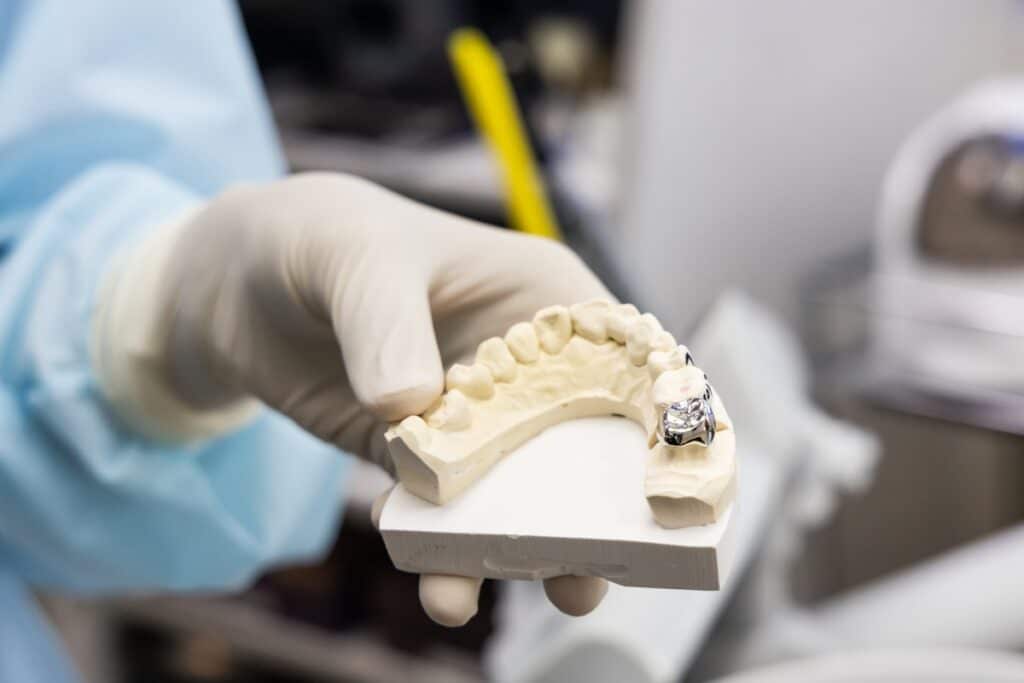
A dental crown can feel like a permanent part of your tooth until the day it suddenly comes loose. You might notice it while eating, find it in your mouth after brushing, or feel an unexpected gap where the crown used to be. If the exposed tooth starts hurting, even drinking a glass of water can become uncomfortable.
Knowing what to do if a dental crown falls off helps you make sensible decisions before your dental visit. The discomfort does not necessarily mean you have lost the tooth, but it is important to protect the area and find out why the crown came off. North Salt Lake Dental helps patients in North Salt Lake, UT, understand their dental concerns and explore appropriate treatment options.
Why Would a Dental Crown Suddenly Come Off?
A crown relies on a secure fit, dental cement, and enough healthy tooth structure to hold it in place. When one of these factors changes, the restoration may loosen.
What Might Have Caused It?
Sometimes, the reason is straightforward. Other times, the crown comes off because a problem has developed underneath it.
- Changes beneath the crown: Tooth decay can weaken the structure supporting the restoration.
- Worn cement: The material securing the crown may gradually lose its hold.
- A damaged tooth: A fracture can affect the foundation on which the crown sits.
- Repeated chewing pressure: Hard foods or frequent teeth grinding may put extra stress on the restoration.
- An imperfect fit: A crown that no longer fits properly may become loose during everyday activities.
The important question is not only why the crown came off, but also whether the tooth underneath is still healthy enough to support it.
What to Do If a Dental Crown Falls Off
If your dental crown fell off, avoid trying to solve the problem by immediately pushing it back into place. Instead, focus on keeping the tooth clean, limiting pressure, and arranging an evaluation.
Check the Crown and Keep It Safe
Find the crown if possible and examine it without pulling at any attached material. Rinse it gently with clean water and place it in a small container.
Do not throw it away, even if you are unsure whether it can be reused. Your dentist can check for cracks, damage, or changes that might prevent it from fitting securely again.
Change How You Eat Temporarily
An exposed tooth may react differently to pressure than it did when the crown was attached. Foods that normally cause no trouble may suddenly produce a sharp sensation.
Choose softer foods that require little chewing. Try not to use the affected side, and avoid biting directly on the exposed tooth. If cold drinks or hot foods cause discomfort, choose a more comfortable temperature until the tooth has been examined.
Continue Cleaning the Area Carefully
A missing crown does not mean you should stop brushing that part of your mouth. Plaque can still collect around the exposed tooth and nearby gumline.
Use a soft toothbrush and gentle movements. A lukewarm saltwater rinse may help keep the area clean, but do not use sharp tools to remove debris or attempt to reshape the tooth yourself.
Avoid DIY Crown Repairs
Household adhesives, including superglue, are not designed for use in the mouth. They can irritate tissues and interfere with dental treatment.
Temporary dental products may be available for certain situations, but they should only be used according to their directions and professional advice. Never force a loose crown onto the tooth. If the tooth has a sharp edge, dental wax may provide temporary protection from irritation.
Arrange an Examination
Even if the discomfort disappears, the underlying tooth may still need attention. Contact your dentist promptly to discuss the problem and arrange an appropriate appointment.
Severe or worsening pain, facial swelling, or fever warrants urgent assessment. Difficulty breathing or swallowing requires emergency medical care.
Lost Dental Crown Treatment: What Happens Next?
There is no single treatment for every fallen crown. Your dentist will examine the exposed tooth and determine whether the restoration can be reused or whether the tooth needs additional care.
The Original Crown May Be Reattached
If the crown remains intact, fits correctly, and the tooth underneath is healthy, it may be possible to secure it again. The dentist must first identify why it came loose and prepare the area appropriately.
A Replacement Crown May Be Needed
A cracked crown, an unsuitable fit, or changes in the underlying tooth may make replacement the better option. Your dentist can explain the available materials and the treatment process.
The Tooth May Need Treatment First
If decay or a fracture is found, simply replacing the crown may not address the problem. Depending on the findings, treatment might involve rebuilding part of the tooth, root canal treatment, or another restorative approach.
How to Protect a Tooth After a Crown Falls Off
Until your dental appointment, a few adjustments can help you avoid placing extra stress on the tooth.
- Keep the crown in a clean container and bring it to your appointment.
- Continue brushing gently and cleaning between your teeth where comfortable.
- Avoid hard, sticky foods and chewing directly on the exposed tooth.
- Do not test the tooth repeatedly by biting down on it.
- Follow your dentist’s guidance about temporary protection and pain relief.
If you are looking for a dentist near me in North Salt Lake, Utah, choose North Salt Lake Dental that can evaluate the underlying tooth and explain the treatment choices available to you.
Final Thoughts
A fallen crown can leave you wondering whether the tooth can be saved and how to keep it comfortable. The best approach is to protect the exposed area, avoid unnecessary pressure, save the crown, and arrange a dental examination.
North Salt Lake Dental can assess the tooth, explain what caused the crown to come off, and discuss suitable ways to restore its protection. The sooner the underlying issue is identified, the easier it may be to plan the appropriate treatment.
Frequently Asked Questions
Can a fallen dental crown be reused?
Yes, in some cases. The dentist must confirm that the crown is undamaged, fits properly, and can be secured to a suitable underlying tooth.
Why does my exposed tooth hurt when I drink water?
The tooth may have become sensitive because the crown no longer covers the underlying surface. A crack, decay, or another dental issue may also cause discomfort. An examination can help determine the reason.
How long can I wait to replace a fallen crown?
The appropriate timing depends on the tooth’s condition and your symptoms. Contact your dentist promptly rather than waiting for pain to develop or worsen.
Can a crown fall off without causing pain?
Yes. A crown can loosen because of changes in the cement or its fit without causing immediate discomfort. The absence of pain does not rule out an underlying problem.