
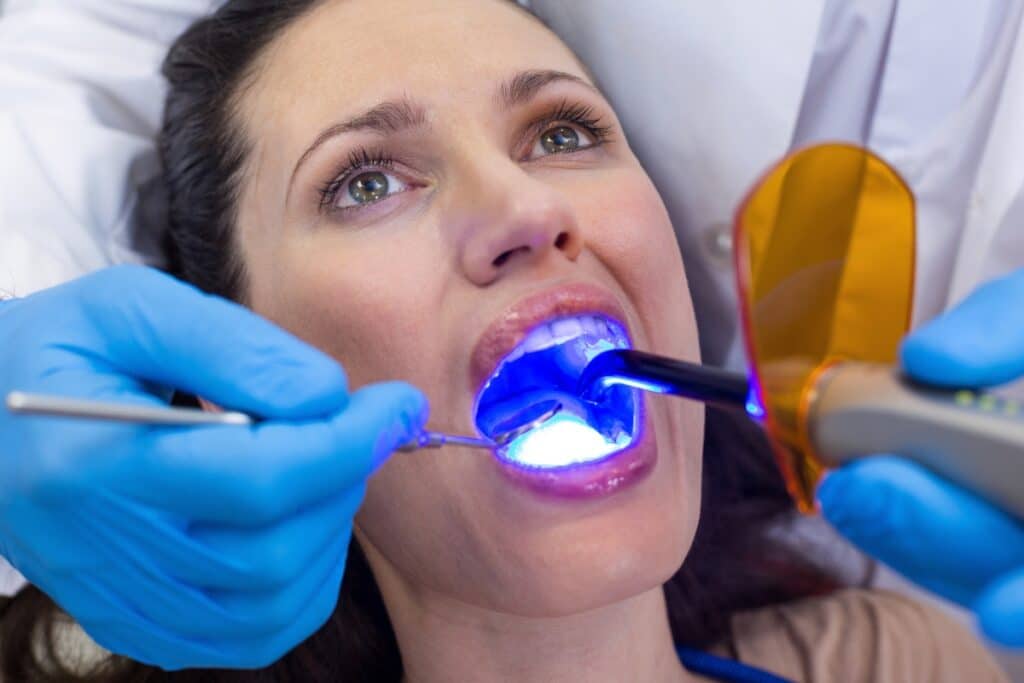
A bright smile can make you feel more confident, which is why teeth whitening has become such a popular cosmetic dental treatment across the United States. While whitening can help reduce stains and improve the appearance of your teeth, more whitening does not necessarily mean a better smile. Using bleaching products too often or leaving them on longer than recommended can lead to unwanted dental problems.
If you are tempted to keep whitening your teeth because you want an even brighter shade, it is important to understand what excessive whitening can do to your teeth and gums.
How Does Teeth Whitening Work?
Teeth whitening uses bleaching ingredients such as hydrogen peroxide or carbamide peroxide to break down certain stains within the tooth. These ingredients can lighten discoloration caused by coffee, tea, red wine, tobacco, some medications, and the natural effects of aging.
Whitening may be performed at home with over-the-counter products or through a professionally supervised treatment. However, the concentration of whitening ingredients, treatment time, and frequency can vary between products. Using a product beyond its recommended instructions can increase the chance of unwanted side effects.
What Can Happen When You Over-Whiten Your Teeth?
Whitening your teeth occasionally and according to professional or product instructions is different from repeatedly exposing them to bleaching products. Excessive use may affect your teeth and surrounding tissues in several ways.
Increased Tooth Sensitivity
Sensitivity is one of the most common complaints associated with teeth whitening. Bleaching products can temporarily make the teeth more sensitive, particularly when they are used too frequently.
You may notice discomfort when drinking something cold or hot or eating sweet foods. People who already have worn enamel, exposed dentin, cracks, cavities, or other dental concerns may be more likely to experience sensitivity.
If sensitivity continues after whitening, it is worth discussing the issue with a dentist instead of continuing the treatment.
Irritated or Sore Gums
Whitening products are designed to come into contact with your teeth, not your gum tissue. When a whitening tray does not fit properly or a strip is positioned incorrectly, the bleaching material may reach the gums.
Repeated exposure can result in redness, irritation, tenderness, or a burning sensation. Following the directions carefully and using properly fitted whitening trays can help reduce unnecessary contact with the soft tissues.
Changes to the Enamel
Your enamel is the hard outer layer that protects your teeth. Excessive or inappropriate use of whitening products may contribute to enamel surface changes and mineral loss, particularly when products are misused.
As the enamel becomes compromised, teeth may become more vulnerable to sensitivity and decay. Changes in the enamel can also affect how your teeth reflect light, sometimes making them appear unusually translucent or uneven.
Uneven or Patchy Results
Whitening does not always affect every tooth or every part of a tooth in exactly the same way. Existing restorations, such as fillings, crowns, or other dental materials, do not whiten in the same manner as natural tooth structure.
Repeatedly applying whitening products in an attempt to correct uneven color may not solve the problem. In some cases, a dentist may need to determine the reason for the color difference before recommending another cosmetic treatment.
For patients considering cosmetic dentistry North Salt Lake, a dental professional can evaluate the current shade of the teeth, existing restorations, and overall oral condition before recommending an appropriate whitening approach.
Greater Risk of Dental Problems
Over-whitening can create a cycle where people continue treating their teeth despite developing sensitivity or irritation. When enamel and gum tissues are not properly protected, maintaining good oral health can become more difficult.
That is why whitening should be viewed as a cosmetic treatment rather than something that needs to be performed continuously. A brighter smile should not come at the expense of healthy teeth and gums.
How Can You Prevent Problems From Over-Whitening?
You do not necessarily have to give up teeth whitening to protect your smile. Instead, use a more thoughtful approach.
Talk to Your Dentist First
Before beginning a whitening treatment, have your teeth and gums evaluated. A dentist can identify cavities, cracks, gum problems, enamel concerns, or other factors that may affect your whitening experience.
Professional guidance can also help determine whether whitening is appropriate for your current dental condition.
Follow Product Directions
If you use an over-the-counter whitening product, follow the manufacturer’s instructions regarding application time and frequency. Leaving the product on longer or using it more frequently will not necessarily produce better results.
If your teeth become increasingly sensitive or your gums become irritated, stop using the product and speak with your dentist.
Keep Up With Routine Dental Visits
Regular dental examinations and cleanings can help keep your teeth healthy while you work toward a brighter smile. Your dentist can also monitor changes in tooth color and identify problems that may be mistaken for ordinary staining.
Professional cleaning may remove certain surface stains without requiring additional bleaching.
Be Mindful of Foods and Drinks That Stain
Coffee, tea, red wine, tobacco, and certain strongly pigmented foods can contribute to tooth discoloration. Limiting these substances can help maintain the results of a whitening treatment.
Good daily oral hygiene also plays an important role. Brushing twice a day, cleaning between your teeth, and maintaining regular dental visits can help keep your smile looking clean and healthy.
How Often Should You Whiten Your Teeth?
There is no single whitening schedule that works for everyone. The appropriate frequency depends on the product being used, the condition of your teeth, your existing dental work, and how your teeth respond to treatment.
Instead of repeatedly whitening your teeth whenever they appear slightly darker, talk with your dentist about a suitable maintenance plan. Professional advice can help you avoid unnecessary exposure to bleaching products while maintaining a natural-looking smile.
A Brighter Smile Should Still Be a Healthy Smile
Teeth whitening can be a useful way to improve the appearance of stained or discolored teeth, but excessive whitening can create problems that outweigh the cosmetic benefits. Increased sensitivity, gum irritation, enamel changes, and uneven results are all reasons to approach whitening carefully.
The goal should not simply be the whitest possible smile. It should be a smile that looks brighter while your teeth and gums remain healthy. If you are considering whitening or have noticed sensitivity after using whitening products, speaking with a dental professional can help you determine the safest next step.
If you want to brighten your smile while keeping your teeth and gums healthy, schedule an appointment with North Salt Lake Dental today.
Frequently Asked Questions
Can whitening your teeth too much damage them?
Using whitening products more frequently or for longer than directed may increase the risk of sensitivity, gum irritation, and enamel surface changes. Follow product instructions and consult your dentist if you experience persistent problems.
Why do my teeth hurt after whitening?
Whitening can temporarily increase tooth sensitivity because the bleaching process can affect the tooth’s outer layers. Existing enamel wear or exposed dentin may also contribute to sensitivity.
Can over-whitening make teeth look translucent?
Excessive or inappropriate whitening may contribute to changes in the enamel that make teeth appear more translucent, particularly around the edges. A dentist can determine whether whitening is responsible for the change.
Can whitening irritate my gums?
Yes. If whitening gel or another bleaching product comes into prolonged contact with the gums, it may cause redness, tenderness, or irritation. Properly fitted trays and careful application can help limit this exposure.
How can I keep my teeth white without over-whitening them?
Maintain good brushing and interdental cleaning habits, attend regular dental visits, limit heavily staining foods and drinks, and follow a dentist-recommended whitening schedule rather than repeatedly bleaching your teeth.
Should I talk to a dentist before whitening my teeth?
Yes, especially if you have tooth sensitivity, cavities, enamel concerns, gum problems, or existing dental restorations. A dental evaluation can help determine whether whitening is appropriate for you.