
You go to bed expecting to wake up refreshed, but instead, you notice a sore jaw, a dull headache, or teeth that feel strangely sensitive. If this sounds familiar, you may be dealing with teeth grinding at night without even knowing it.
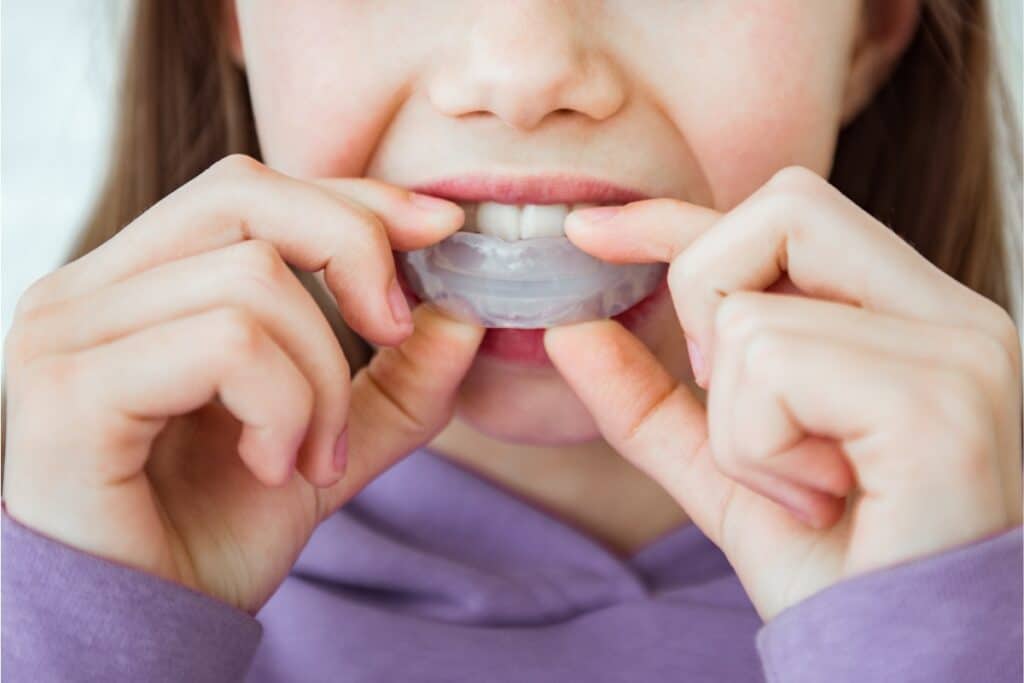
Grinding and clenching often happen while you’re asleep, so it can be difficult to recognize on your own. Over time, repeated pressure can affect your teeth, jaw, and dental restorations. A night guard for teeth grinding can help create a protective barrier between your upper and lower teeth and reduce the effects of nighttime grinding.
Bruxism is not unusual. Research estimates that sleep bruxism affects roughly 1 in 5 adults worldwide, although the exact rate varies depending on how it is measured. That makes it worth paying attention to the signs, especially when they keep coming back.
Here are five common clues that it may be time to talk with your dentist.
Your Jaw Hurts When You Wake Up
Does your jaw feel stiff or tired first thing in the morning?
You may notice soreness when chewing breakfast, tightness around your cheeks, or discomfort when opening your mouth. Some people also experience tenderness around the temples.
These symptoms can happen when the jaw muscles spend hours clenching during sleep. You may not remember doing it because the grinding happens while you’re unconscious.
A night guard can separate the teeth and help limit the direct pressure created when they come together. It doesn’t necessarily stop the underlying grinding, but it can provide dental protection for bruxism and help reduce damage caused by repeated contact.
Your Teeth Are Becoming Worn or Chipped
Take a look at your teeth. Are the edges becoming flatter? Have you noticed small chips that don’t seem to have an obvious cause?
Repeated grinding can contribute to tooth wear and fractures. It may also put additional stress on fillings, crowns, and other dental work.
That said, worn teeth don’t automatically mean you grind your teeth. Tooth wear can happen for several reasons, including normal aging and other habits. That’s why your dentist should look at the overall picture rather than relying on one symptom.
When tooth wear appears along with jaw soreness or other symptoms of bruxism, it may be a reason to consider a night guard.
Your Teeth Feel More Sensitive
A cold glass of water shouldn’t have to make you wince.
If your teeth have recently become sensitive to cold, hot, sweet, or acidic foods, grinding could be one factor. Constant pressure on the teeth may contribute to enamel wear or other changes that make sensitivity more noticeable.
However, sensitivity can also be caused by cavities, gum recession, cracked teeth, or other dental concerns. Don’t assume grinding is the cause without having the area checked.
If your dentist finds that clenching or grinding is contributing to the problem, a night guard may be included in your teeth grinding treatment plan.
You Wake Up With Headaches
Morning headaches are easy to blame on a poor night’s sleep, stress, or dehydration. Sometimes, though, your jaw may be part of the problem.
Grinding and clenching can keep the muscles around your jaw and temples active throughout the night. If those muscles become tense, you may wake up with pressure or aching around your temples or forehead.
A headache alone doesn’t mean you have bruxism. But if you regularly wake up with headaches and have jaw soreness, sensitive teeth, or signs of tooth wear, it’s worth bringing up at your next dental visit.
Looking at several symptoms together gives your dentist a much better idea of what may be happening.
Someone Hears You Grinding in Your Sleep
Sometimes the person sleeping next to you notices the problem first.
If your partner says they hear clicking, clenching, or grinding sounds during the night, don’t brush it off. You may have no idea you’re doing it.
Your dentist can look for signs such as unusual tooth wear, damaged restorations, tenderness, or other changes that may point toward bruxism. If necessary, they can also discuss whether additional evaluation is appropriate.
What if you don’t have any symptoms?
You may still grind your teeth occasionally without causing noticeable problems. Not everyone with bruxism needs a night guard.
The decision usually depends on factors such as the amount of tooth damage, discomfort, your dental history, and what your dentist finds during an examination.
How Does a Night Guard Help?
A night guard is a removable appliance worn over the teeth while you sleep. Its main purpose is to keep the upper and lower teeth from directly rubbing against each other.
Think of it as a buffer.
A properly fitted appliance can help protect your teeth from excessive contact and may reduce stress on dental restorations. Custom night guards can also be designed around your particular bite and dental needs.
It’s important to remember that a night guard isn’t a cure for bruxism. Your dentist may recommend other steps depending on what’s contributing to your grinding and whether you’re experiencing pain or dental damage.
The American Dental Association also emphasizes that mouthguards should be appropriate for their intended use and properly fitted for effective oral protection.
What Can You Do About Teeth Grinding?
If you suspect that you grind your teeth, start by paying attention to what happens when you wake up.
Make a note of:
- Jaw soreness or tightness
- Morning headaches
- Tooth sensitivity
- Chipped or flattened teeth
- Damaged fillings or crowns
- Grinding sounds reported by a partner
These details can be surprisingly helpful during a dental examination.
Patients looking for a dentist near me in North Salt Lake can bring these concerns to North Salt Lake Dental for an evaluation. Catching signs of grinding early may help prevent small problems from becoming bigger dental concerns.
Protect Your Teeth While You Sleep
You don’t have to wake up every morning with a sore jaw or sensitive teeth and simply accept it. If you’ve noticed several of these signs, it’s worth finding out what’s behind them.
For patients in North Salt Lake, UT, North Salt Lake Dental can evaluate your teeth and jaw and discuss whether a night guard is a suitable option for your needs. Schedule an Appointment today!
Frequently Asked Questions
How do I know if I grind my teeth at night?
Common signs include morning jaw soreness, headaches, tooth sensitivity, worn or chipped teeth, and reports from a partner who hears grinding. A dental examination can help confirm whether there are signs of bruxism.
Does a night guard stop teeth grinding?
Not necessarily. A night guard primarily protects the teeth from direct contact and excessive forces. It is not guaranteed to stop the underlying habit of clenching or grinding.
Can grinding damage dental work?
Yes. Repeated grinding can place additional stress on fillings, crowns, and other restorations. Your dentist can check for signs of damage and recommend appropriate protection.
Should everyone who grinds their teeth wear a night guard?
No. Some people grind their teeth without causing significant problems. Your dentist can determine whether an appliance makes sense based on your symptoms, dental health, and examination.