
Few things are as frustrating as a sore that makes eating, drinking, brushing, or even talking uncomfortable. An ulcer inside your mouth may be small, but the irritation can feel much bigger. The good news is that many common mouth ulcers heal naturally, and simple changes can make the healing period more comfortable.
Understanding oral ulcer treatment starts with knowing what causes these sores, what you can do at home, and when a recurring or slow-healing ulcer deserves a closer look.
What Are Oral Ulcers?
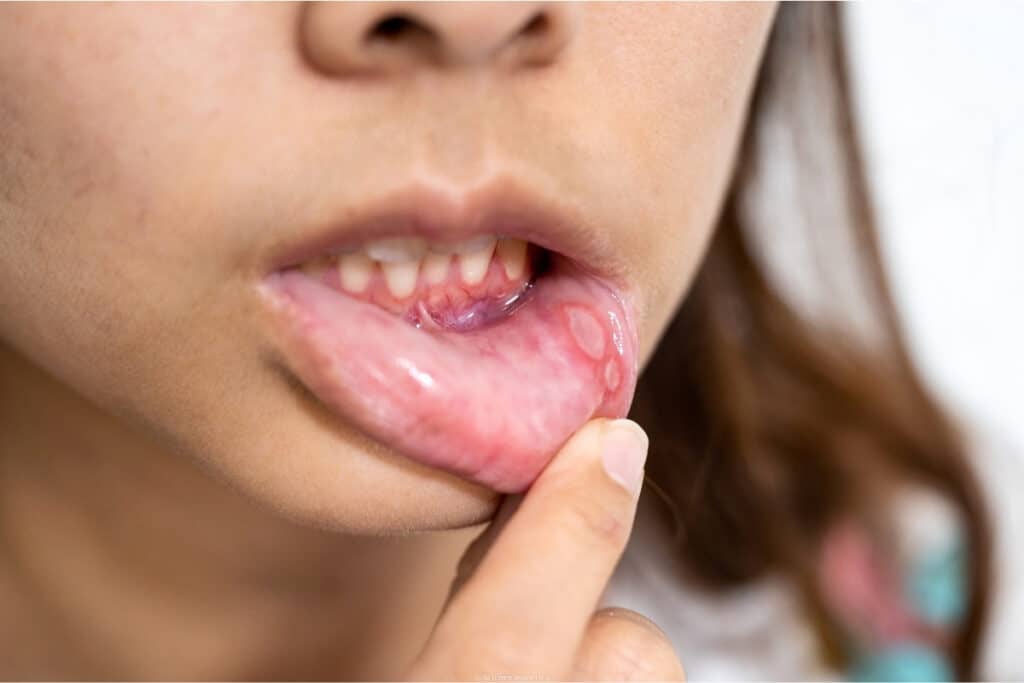
Oral ulcers are small open sores that develop on the soft tissues inside the mouth. They may appear on the inside of the cheeks or lips, on the tongue, or along the gums.
Canker sores are one of the most common types. They often look like round or oval spots with a pale center and reddish border. Unlike cold sores, typical canker sores are not contagious. According to the American Dental Association, most canker sores heal on their own within one to two weeks.
The location and appearance of a sore can vary, so not every sore should automatically be assumed to be a canker sore.
What Causes Mouth Ulcers?
There isn’t always a single reason an ulcer develops. Sometimes, the cause is obvious. Other times, several factors may contribute.
Minor Mouth Injuries
Accidentally biting your cheek, brushing too hard, or eating something sharp can damage the delicate tissue inside your mouth. A rough tooth, filling, orthodontic component, or dental appliance can also repeatedly rub against the same spot.
If a sore keeps appearing in one area, irritation from a tooth or dental appliance may be worth discussing with your dentist.
Food and Daily Habits
Certain foods can make existing ulcers much more uncomfortable. Spicy, salty, acidic, or crunchy foods may irritate the affected tissue.
The ADA notes that hard, acidic, and salty foods, along with some carbonated and alcoholic beverages, have been reported as possible dietary triggers for recurrent canker sores.
That doesn’t mean you need to eliminate these foods from your diet. Instead, notice whether particular foods consistently seem to make your symptoms worse.
Stress and Other Factors
Some people notice recurring canker sores during stressful periods. Hormonal changes, certain medications, nutritional deficiencies, and underlying health conditions may also be associated with recurring ulcers.
If you frequently develop ulcers in your mouth, keeping track of when they appear and what was happening beforehand can help identify a pattern.
Oral Ulcer Treatment and Relief
The right oral ulcer treatment depends on the cause and severity of the sore. For an ordinary canker sore, the goal is usually to reduce irritation and make the healing process more comfortable.
Protect the Area
Choose softer foods while the sore is tender. Avoid foods that cause a burning sensation, especially spicy or acidic choices.
Continue brushing and flossing, but be gentle around the affected area. Stopping your normal oral hygiene routine can allow plaque to accumulate and create additional problems.
Try an Appropriate Oral Product
Some over-the-counter products are designed to temporarily relieve discomfort from mouth sores. Depending on the product, they may numb the area or create a protective barrier over the ulcer.
Follow the label instructions carefully, especially when choosing a product for a child. If you are unsure which product is appropriate, ask your dentist or pharmacist.
Keep Your Mouth Comfortable
Drinking water regularly can help prevent your mouth from feeling dry and irritated. A gentle oral rinse may also help some people feel more comfortable.
Avoid anything that causes additional burning. The goal of mouth sore treatment is to reduce irritation rather than add another source of discomfort.
How to Treat Mouth Ulcers Without Making Them Worse
When you’re searching for how to treat mouth ulcers, it can be tempting to try every home remedy you find. More isn’t necessarily better.
Avoid picking at the ulcer or repeatedly touching it with your fingers or other objects. If a sharp tooth or dental restoration seems to be rubbing against it, don’t try to smooth or alter the area yourself.
Instead, have the source of irritation evaluated.
A simple habit that can also help is keeping a record of recurring sores. Write down when they appeared, how long they lasted, where they developed, and whether you noticed any dietary, lifestyle, or oral-health changes around that time.
When Should You Have an Oral Ulcer Checked?
Most ordinary canker sores improve within a week or two. A sore that doesn’t follow that pattern deserves attention.
Consider scheduling a dental evaluation if an ulcer:
- Lasts longer than two weeks
- Keeps returning in the same location
- Becomes unusually large or painful
- Makes eating or drinking difficult
- Appears frequently
- Develops alongside other unusual changes in your mouth
A dental examination doesn’t necessarily mean something serious is wrong. It simply gives you a better opportunity to identify the cause and determine whether additional treatment is needed.
Oral Ulcer Care in North Salt Lake, UT
For people living in North Salt Lake, recurring dental sores can become an annoying part of everyday life. Instead of simply waiting for the next sore to appear, consider discussing the pattern with a local dental professional.
A North Salt Lake Dentist can examine the affected area and look for possible sources of repeated irritation, including dental restorations, teeth, appliances, or other oral conditions.
Get Relief From Recurring Mouth Sores
Most occasional oral ulcers are temporary, but that doesn’t mean you have to ignore recurring discomfort. Paying attention to triggers, protecting the affected area, and maintaining good oral hygiene can make the healing process easier.
If you live in North Salt Lake, UT, and have questions about recurring oral ulcers, a sore inside your mouth, or unexplained mouth irritation, North Salt Lake Dental can help you determine what may be contributing to the problem.
Schedule an appointment to discuss persistent or recurring mouth sores and find an approach that fits your oral health needs.
Frequently Asked Questions
How long do canker sores last?
Many canker sores heal naturally within one to two weeks. Larger or recurring sores may take longer and should be discussed with a dental professional if healing is delayed.
What is the best mouth sore treatment?
There isn’t one treatment that works for every sore. Protecting the area, avoiding irritating foods, maintaining gentle oral hygiene, and using appropriate over-the-counter products may help with comfort.
Are canker sores contagious?
Typical canker sores are not contagious. Cold sores are different and can spread through close contact, so identifying the type of sore matters.
Can stress contribute to mouth ulcers?
Stress may be associated with recurring canker sores in some people. However, recurring ulcers can have several possible causes, so frequent episodes are worth discussing with a dental professional.
Should I see a dentist for a sore inside my mouth?
Yes, particularly if the sore lasts longer than two weeks, keeps returning, becomes unusually large or painful, or doesn’t seem to be healing normally.