
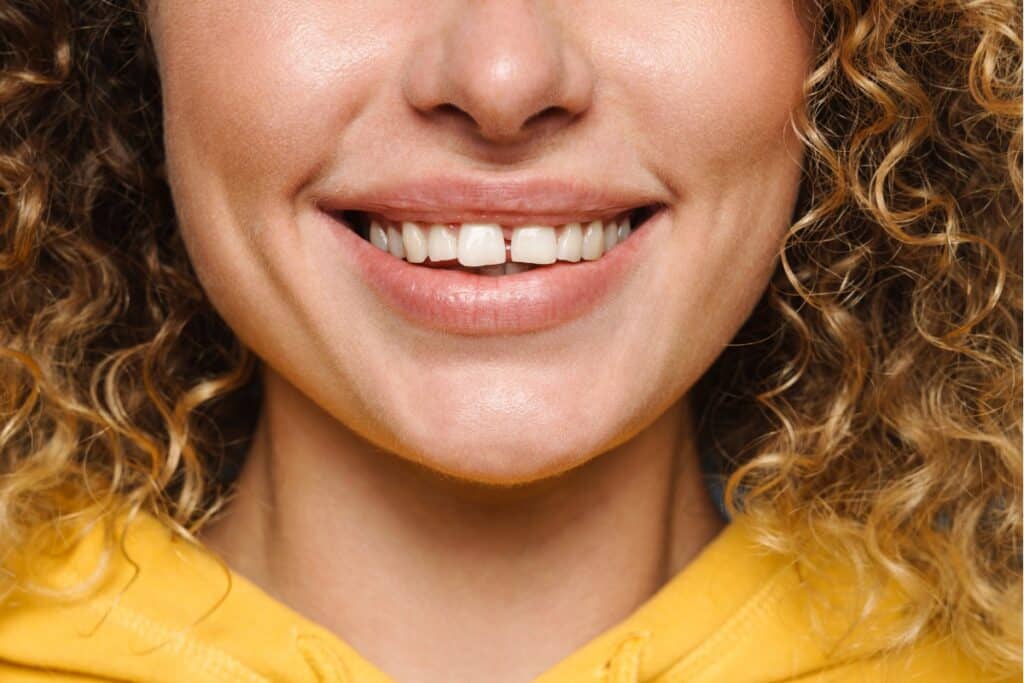
A small space between your teeth may seem minor, but for many people it can affect how they feel about their smile. Some people try to hide the gap when they laugh or avoid smiling fully in photos. Even when teeth are healthy, spacing between them can make a smile feel incomplete.
Fortunately, cosmetic dentistry has evolved in ways that make subtle smile improvements easier than ever. Treatments today are designed to enhance your natural teeth while keeping the process comfortable and conservative.
When patients start looking into tooth gap treatment, they often want something simple that improves appearance without extensive dental work. That’s where cosmetic bonding becomes part of the conversation.
In many situations, cosmetic bonding for gaps offers a practical way to reduce small spaces between teeth and improve overall smile balance. For individuals considering smile correction in North Salt Lake, UT, bonding can sometimes provide noticeable results in just one visit.
Why Do Small Tooth Gaps Happen?
Small gaps between teeth—often called diastema—are more common than many people realize. They can appear between any teeth but are usually most noticeable between the front teeth.
Several factors may contribute to spacing, including:
- Teeth that are slightly smaller than the jaw
- Natural alignment differences
- Missing or undersized teeth
- Gum tissue attachment variations
- Certain oral habits that affect tooth positioning
According to dental health data, spacing concerns are among the most frequently discussed cosmetic issues during dental consultations in the United States. The encouraging part is that many of these cases can be improved with relatively simple cosmetic procedures.
What Is Cosmetic Bonding?
Cosmetic bonding is a treatment that uses a tooth-colored composite resin to reshape or improve the appearance of teeth. The material is applied directly to the tooth surface and carefully sculpted to create a natural look.
Once shaped, a special curing light hardens the resin, allowing the dentist to polish the surface so it blends smoothly with the rest of your teeth.
Bonding is commonly used for:
- Closing small tooth gaps
- Repairing small chips or cracks
- Improving minor tooth shape issues
- Covering mild discoloration
Because the process typically preserves the natural tooth structure, many dentists see bonding as a conservative cosmetic option.
How Cosmetic Bonding for Gaps Works
When dentists perform cosmetic bonding for gaps, the goal is to gently reshape the visible edges of the teeth so the spacing becomes less noticeable or disappears completely.
Step 1: Smile Evaluation
Your dentist examines the size of the gap, tooth alignment, and the overall balance of your smile. This helps determine if bonding will create a natural result.
Step 2: Matching the Shade
The composite resin is selected to closely match the natural color of your teeth.
Step 3: Preparing the Tooth
The surface of the tooth is lightly prepared so the bonding material can attach securely.
Step 4: Shaping the Resin
The dentist carefully applies and sculpts the resin to close the space while maintaining a natural tooth shape.
Step 5: Hardening and Polishing
A curing light strengthens the material, and the surface is polished to create a smooth finish.
Because the treatment is straightforward, many North Salt Lake dentists complete bonding procedures in a single visit.
Benefits of Cosmetic Bonding for Small Gaps
Bonding is often chosen by patients who want a noticeable improvement without extensive dental treatment.
Conservative Approach
The natural tooth usually requires very little preparation.
Quick Results
In many cases, bonding can be completed in less than an hour per tooth.
Natural Appearance
Modern composite materials closely match natural enamel.
Cost-Friendly Option
Compared with some cosmetic treatments, bonding can be a more accessible choice.
Immediate Smile Improvement
Patients often see the results the same day.
For these reasons, North Salt Lake dentists often recommend bonding as a first step when someone wants subtle smile correction.
When Another Treatment May Be Better
Although bonding works well for small spaces, it isn’t always the ideal solution.
Larger gaps or alignment issues may require a different approach.
Situations Where Bonding May Not Be Ideal
- Wide gaps between teeth
- Bite or alignment problems
- Significant tooth rotation
- Structural damage to the tooth
In those cases, dentists might suggest orthodontic options such as clear aligners or other cosmetic procedures.
A proper evaluation ensures the selected tooth gap treatment supports both appearance and long-term dental health.
Bonding vs Other Ways to Close Tooth Gaps
Patients often compare bonding with other cosmetic or orthodontic options.
Bonding vs Clear Aligners
Clear aligners gradually move teeth into better alignment. They work well when the gap is caused by positioning rather than tooth size.
Bonding, however, improves the shape of the teeth rather than moving them.
Bonding vs Veneers
Porcelain veneers cover the front surface of the tooth and can address multiple cosmetic concerns at once.
However, veneers usually require more preparation than bonding. When the gap is small and teeth are healthy, many North Salt Lake dentists may suggest bonding first.
How Long Does Cosmetic Bonding Last?
Bonded teeth are durable, but the material does not last forever.
On average, bonding may last five to ten years before needing touch-ups or replacement.
Longevity depends on factors such as:
- Oral hygiene habits
- Teeth grinding or clenching
- Diet and staining foods
- Regular dental checkups
Routine visits allow dentists to monitor bonded areas and keep them looking natural.
Taking Care of Bonded Teeth
Maintaining bonded teeth is very similar to caring for natural teeth.
Helpful habits include:
- Brushing twice daily
- Flossing regularly
- Limiting foods that stain teeth
- Avoiding biting hard objects like ice
- Visiting your dentist for regular exams
These simple steps can help preserve your smile correction results for years.
Cosmetic Bonding and Smiles in North Salt Lake
Residents of North Salt Lake, UT often look for dental treatments that fit into busy routines while still delivering meaningful results.
Because bonding is relatively quick and minimally invasive, it has become a common choice for patients interested in small cosmetic improvements.
Many dentists find that patients appreciate how bonding improves the appearance of their smile while keeping their natural teeth largely unchanged.
FAQs About Cosmetic Bonding for Gaps
Does cosmetic bonding hurt?
The procedure is usually painless and often does not require anesthesia.
How big of a gap can bonding close?
Bonding works best for small spaces, typically around one or two millimeters.
Will the bonding look natural?
Yes. Dentists match the composite resin to your natural tooth color so it blends in with surrounding teeth.
Can bonding stain?
Composite material can stain over time, especially with frequent coffee or tea consumption.
Is cosmetic bonding permanent?
Bonding is durable but may need maintenance or replacement after several years.
Final Thoughts
A small tooth gap doesn’t have to define your smile. For many people, bonding offers a practical way to improve spacing while keeping the process simple and comfortable.
If you’re exploring options for diastema closure, bonding for spacing concerns, or other types of subtle smile correction, consulting with experienced North Salt Lake dentists can help you understand which treatment may work best for your smile.